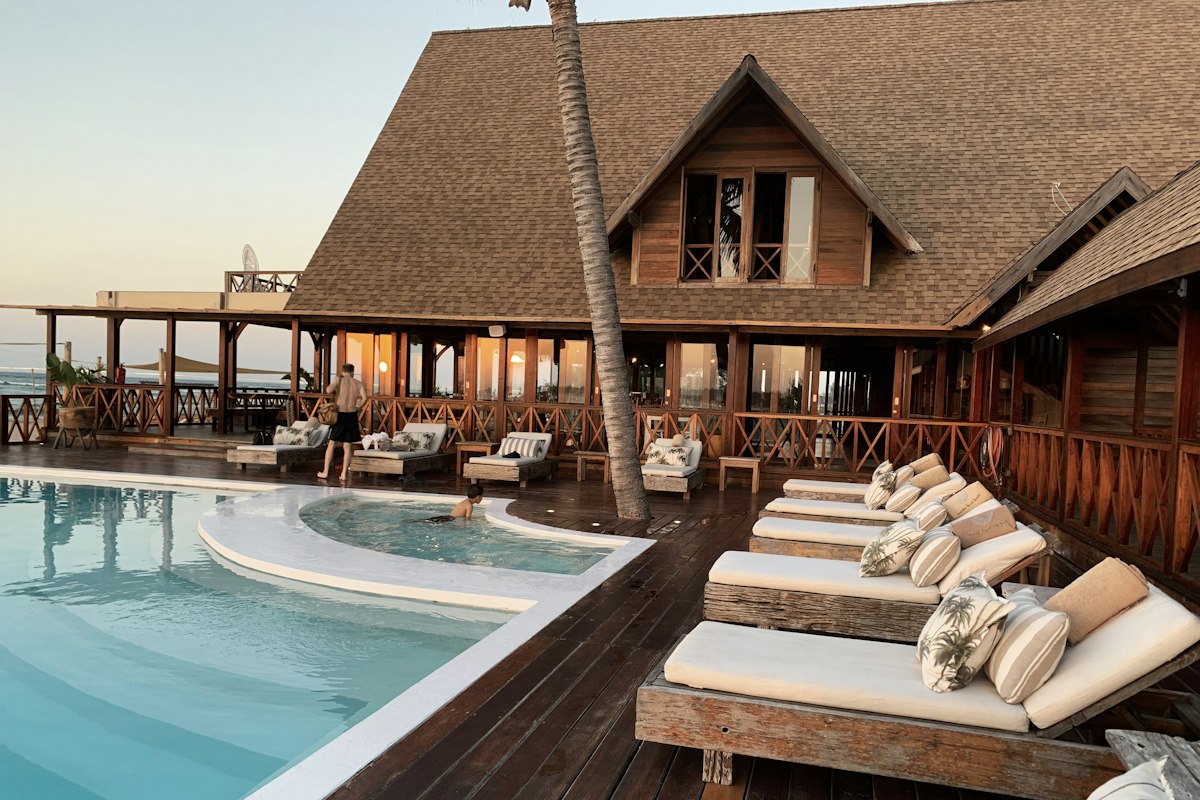
Boutique vs Brand: Who Wins More Michelin Keys?
67% of Three-Key Michelin hotels are independents. We analyzed all 141 to see whether boutique or branded hotels dominate — and what it means for luxury travel.
When Michelin awards its highest hotel distinction -- Three Keys, meaning "an exceptional stay" -- who wins more often: the global luxury brands with thousands of rooms worldwide, or the independent boutique hotels with a single property and a singular vision? We analyzed all 141 Three-Key Michelin hotels to find out, and the answer is decisive: independents dominate the top tier by a wide margin. But the story gets more complicated -- and more interesting -- when you look at the full picture.
The Numbers: Independents Win Three Keys by a Landslide
Of the 141 hotels that hold Michelin's Three-Key distinction, 94 are independent or unbranded properties -- that is 67% of the total. Only 47 belong to a recognized hotel brand or collection.
| Category | Three-Key Hotels | Share |
|---|---|---|
| Independent/Unbranded | 94 | 67% |
| Branded | 47 | 33% |
| Total | 141 | 100% |
Two out of every three Three-Key hotels stand on their own. They have no corporate parent, no loyalty program, no global reservation system. They are one-of-a-kind properties that earned the world's highest hotel rating on the strength of their individual character.
Which Brands Earn the Most Three Keys?
Among the 47 branded Three-Key hotels, a handful of names dominate.
| Brand | Three-Key | Two-Key | One-Key | Total Michelin Key |
|---|---|---|---|---|
| Four Seasons | 10 | 27 | 36 | 99 |
| Aman | 7 | 13 | 8 | 33 |
| Rosewood | 6 | 20 | 9 | 39 |
| Belmond | 4 | 12 | 8 | 26 |
| Dorchester Collection | 3 | 3 | 3 | 9 |
| Ritz-Carlton Reserve | 3 | 3 | 1 | 8 |
| Mandarin Oriental | 3 | 8 | 15 | 44 |
| Auberge | 2 | 9 | 16 | 47 |
| Firmdale | 2 | 4 | 4 | 11 |
| Raffles | 2 | 8 | 6 | 22 |
Four Seasons: The Volume Leader
Four Seasons leads every hotel brand with 10 Three-Key properties and a staggering 99 total Michelin Key hotels across all tiers. That means roughly 1 in every 85 Michelin Key hotels worldwide carries the Four Seasons name. Their Three-Key roster includes some of the most celebrated hotels on earth:
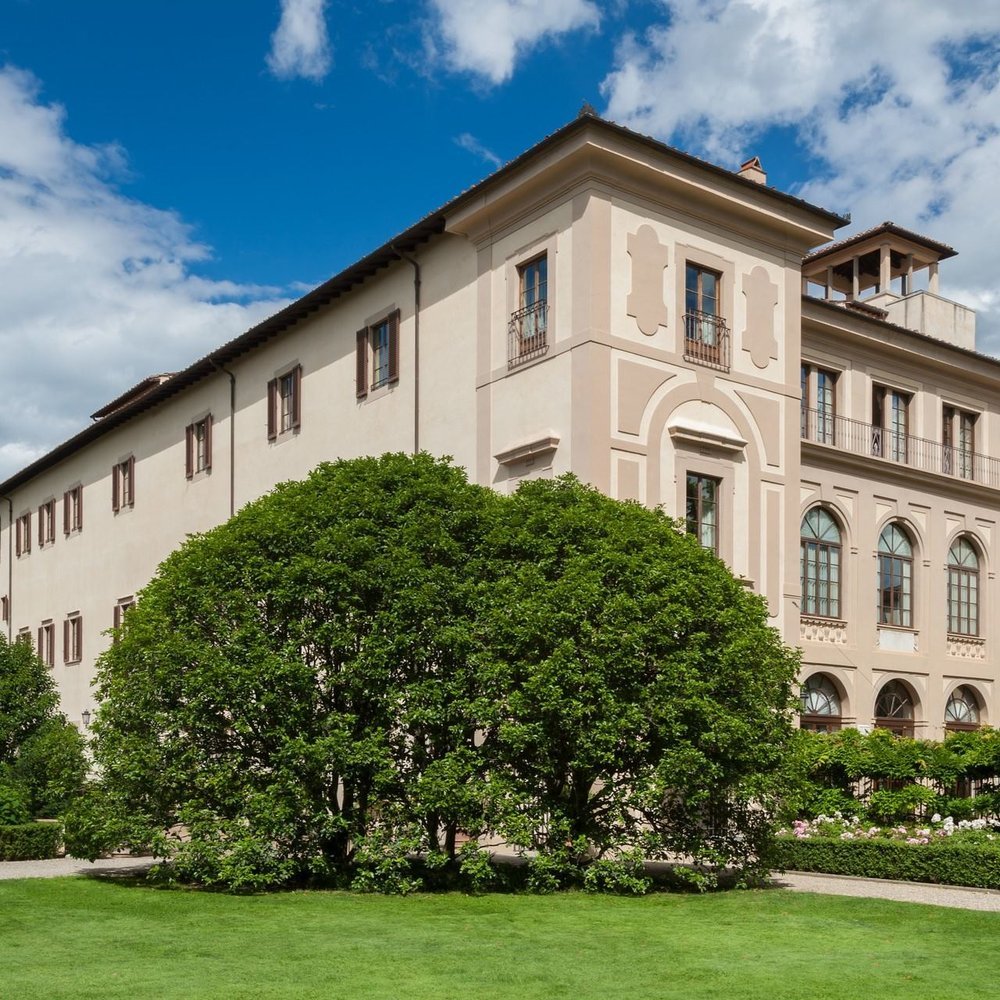
- Four Seasons Hotel Firenze -- Florence, Italy ($2,833/night). Set in a Renaissance palazzo with 11 acres of private gardens in central Florence, it feels more like a Medici estate than a hotel.
- Four Seasons George V -- Paris, France ($2,332/night)
- Four Seasons Hotel Tokyo at Otemachi -- Tokyo, Japan ($2,129/night)
- San Domenico Palace, Taormina -- Sicily, Italy ($1,837/night)
- Four Seasons Hotel Istanbul at Sultanahmet -- Istanbul, Turkey ($1,096/night)
- Grand Hotel du Cap-Ferrat -- French Riviera ($1,078/night)
- Four Seasons Hotel London at Park Lane -- London, UK ($1,042/night)
- Four Seasons Resort Chiang Mai -- Thailand ($999/night)
- Four Seasons Astir Palace -- Athens, Greece ($956/night)
- Four Seasons Resort Megeve -- French Alps ($593/night)
Four Seasons' success is not accidental. The brand's model -- managing (not owning) individual properties, each adapted to its location -- gives it something closer to an independent hotel's sense of place than a typical chain. The Firenze feels Florentine. The Istanbul feels Ottoman. The Tokyo feels Japanese. They achieve scale without sacrificing character.
Aman: The Highest Three-Key Percentage
Aman has 7 Three-Key hotels out of 33 total Michelin Key properties -- meaning 21% of all Aman's Michelin-recognized hotels sit in the top tier. That is the highest conversion rate of any major brand. Aman's Three-Key roster spans four continents:
- Amangiri -- Utah, USA ($5,776/night)
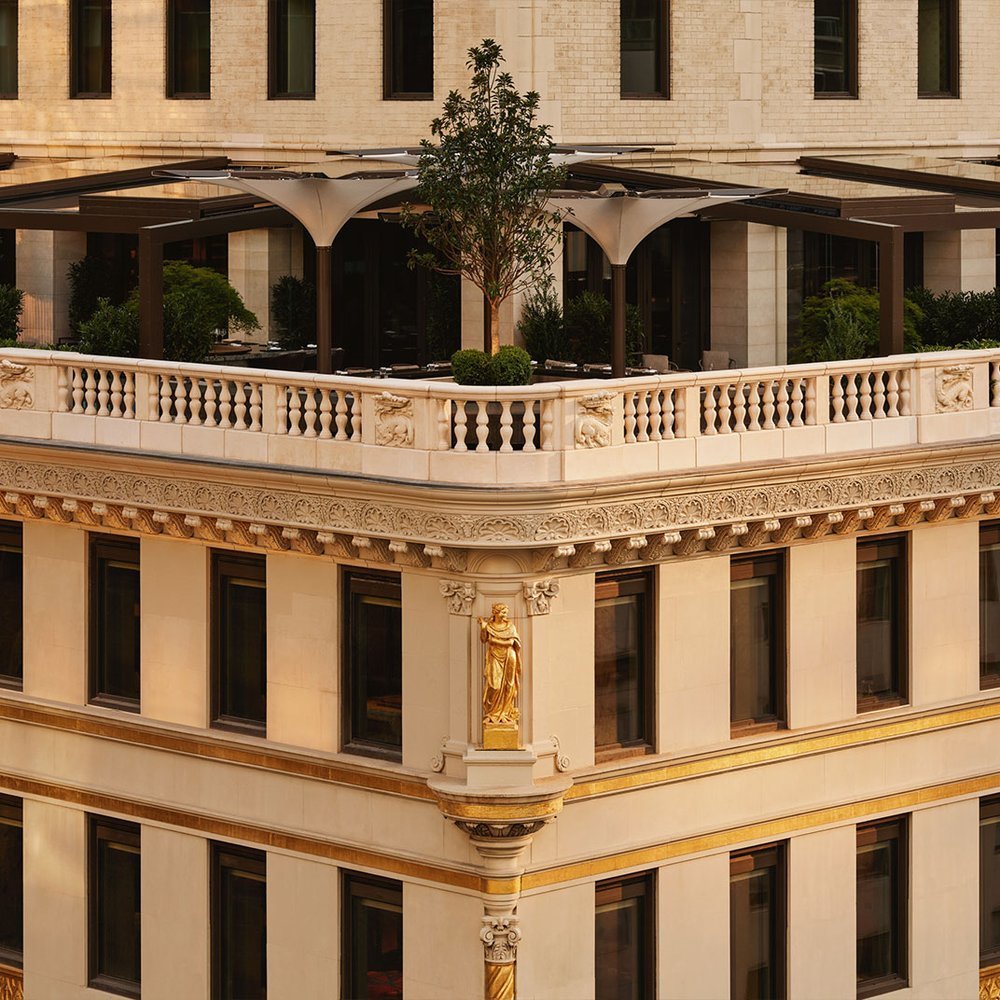
- Aman New York -- New York City ($3,224/night)
- Amanemu -- Shima, Japan ($3,138/night)
- Aman Venice -- Venice, Italy ($2,362/night)
- Amanoi -- Vietnam ($1,774/night)
- Amanjiwo -- Yogyakarta, Indonesia ($1,392/night)
- Amanpuri -- Phuket, Thailand ($484/night)
Aman's philosophy -- radical simplicity, deep connection to place, minimal branding -- makes each property feel independent even though it carries the Aman name. That may be why Michelin's inspectors respond to it so strongly.
Rosewood: Quality Over Quantity
With 6 Three-Key and 39 total Michelin Key hotels, Rosewood punches above its weight. The brand's "A Sense of Place" philosophy means each hotel is designed to reflect its location rather than a corporate template. Notable Three-Key properties include:
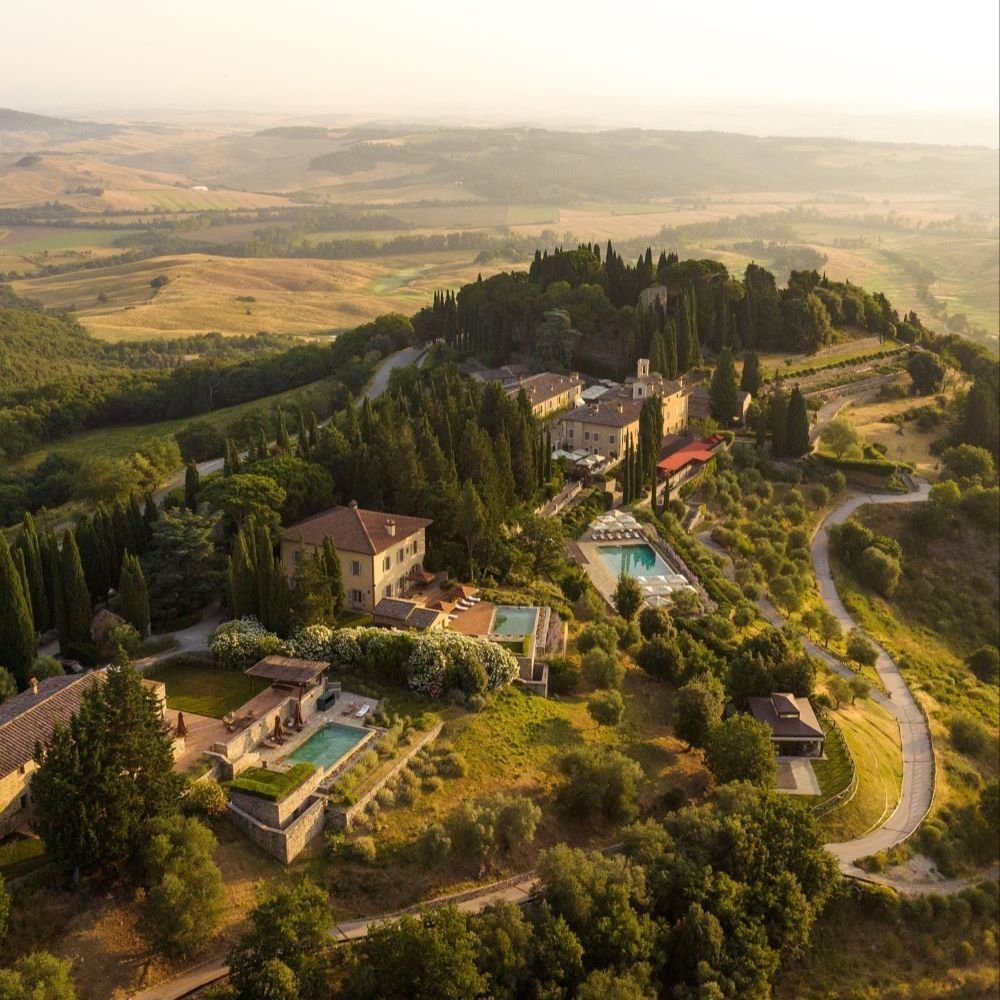
- Castiglion del Bosco -- Montalcino, Tuscany ($3,040/night). A Brunello di Montalcino wine estate converted into a luxury resort, with suites in restored farmhouses overlooking Val d'Orcia.
- Kona Village, A Rosewood Resort -- Hawaii ($2,109/night)
- Rosewood Luang Prabang -- Laos ($822/night)
- Rosewood Hong Kong -- Hong Kong ($775/night)
- Rosewood Sao Paulo -- Brazil ($713/night)
- Rosewood Schloss Fuschl -- Austria ($645/night)
Why Independents Dominate Three Keys
The data tells a clear story: the more exclusive the tier, the more independents dominate. But why?
1. Three Keys Rewards Uniqueness
Michelin defines Three Keys as "an exceptional stay" -- a hotel so distinctive that it is worth traveling specifically to experience it. By definition, a property that exists in only one place in the world has an easier time being "exceptional" than one that shares a brand identity with 100 sister properties. The independent hotel IS the destination. There is no second location.
2. Independent Hotels Take Bigger Creative Risks
Without a brand standards manual, independent hotels can make bold, idiosyncratic choices that would never survive a corporate approval process. Consider these Three-Key independents:
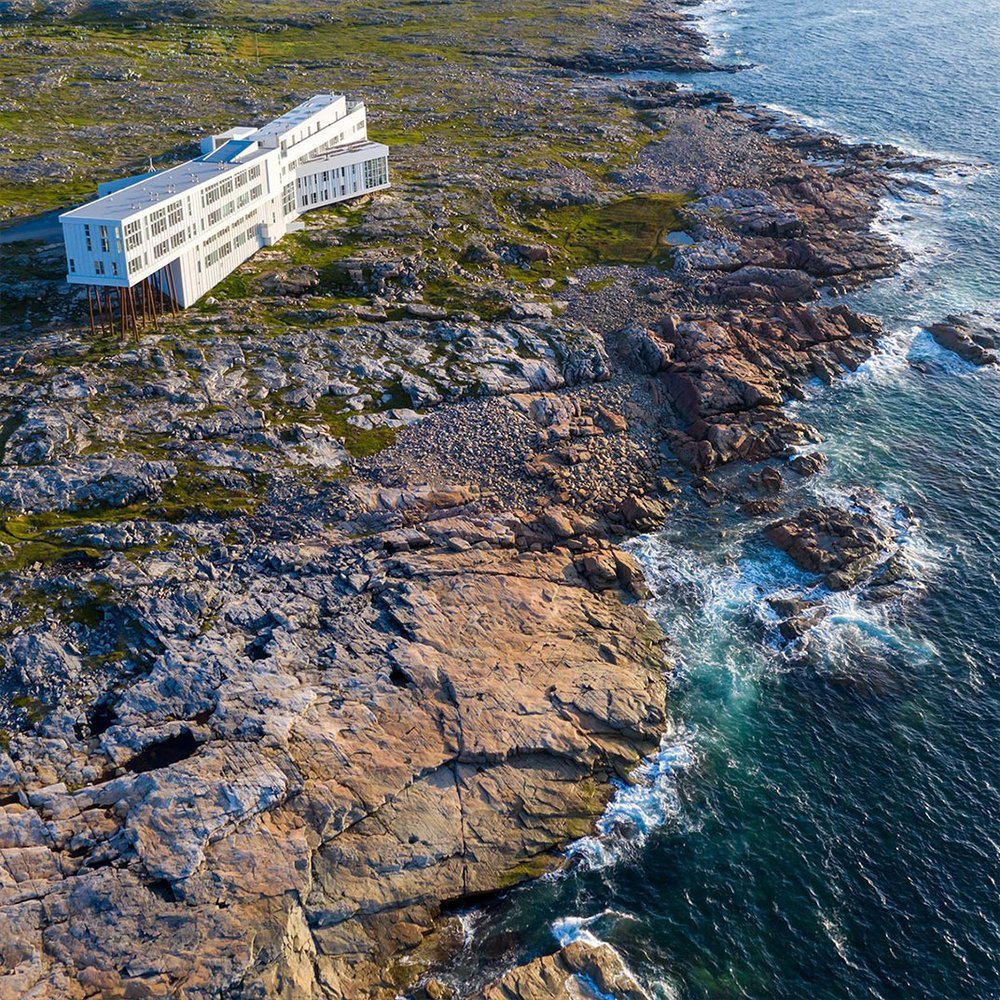
- Clayoquot Wilderness Lodge ($6,971/night) -- The most expensive Three-Key hotel in the world is a collection of white canvas tents in a temperate rainforest on Vancouver Island. No brand would greenlight this concept. It earned Three Keys.
- Fogo Island Inn ($3,500/night) -- A contemporary architectural masterpiece on stilts at the edge of the North Atlantic, on an island off the coast of Newfoundland with a population of 2,200. All economic surpluses are reinvested in the community.
- Giraffe Manor ($333/night) -- A Nairobi guesthouse where endangered Rothschild's giraffes poke their heads through the breakfast room windows. It is surreal, charming, and completely impossible to replicate.
- SingleThread Inn ($369/night) -- A five-room inn above a three-Michelin-star restaurant in Healdsburg, California. The farm-to-table experience is so tightly integrated that the hotel and restaurant are inseparable.
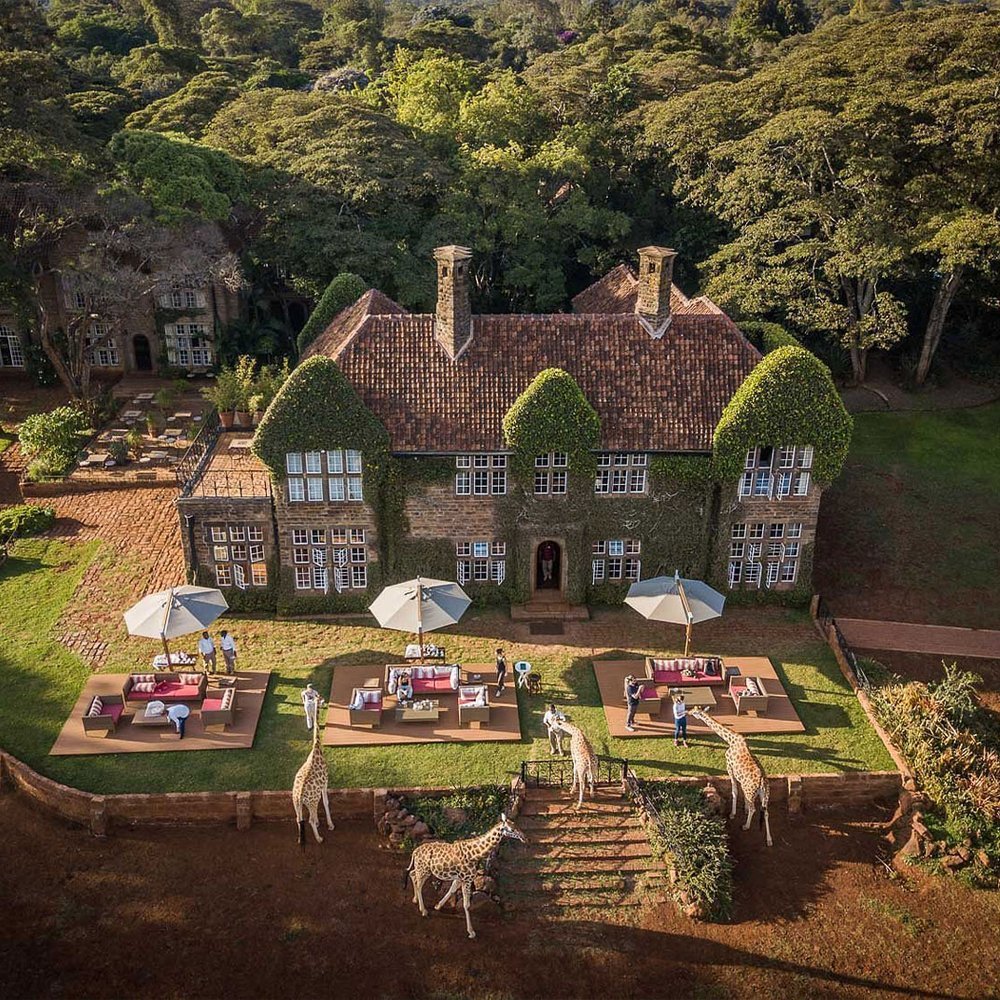
These hotels succeed because of their strangeness, their specificity, their refusal to be anything other than themselves. That is hard to achieve at scale.
3. Owner-Operators Have a Different Motivation
Many independent Three-Key hotels are passion projects. They were built by a specific person with a specific vision -- not by a development team analyzing market demand. The owner of Passalacqua on Lake Como, the family behind Londolozi in South Africa, the community trust behind Fogo Island Inn -- they are not optimizing for return on invested capital. They are building something they believe in. Michelin's inspectors can feel the difference.
The Brand Advantage: Consistency at Scale
If independents dominate the top, brands dominate the middle and the base. Consider the full tier breakdown:
| Brand | Three-Key | Two-Key | One-Key | Total |
|---|---|---|---|---|
| Four Seasons | 10 | 27 | 36 | 99 |
| Auberge | 2 | 9 | 16 | 47 |
| Mandarin Oriental | 3 | 8 | 15 | 44 |
| Rosewood | 6 | 20 | 9 | 39 |
| Aman | 7 | 13 | 8 | 33 |
| Belmond | 4 | 12 | 8 | 26 |
| Raffles | 2 | 8 | 6 | 22 |
| The Peninsula | 1 | 7 | 3 | 12 |
| Firmdale | 2 | 4 | 4 | 11 |
| One&Only | 1 | 4 | 3 | 11 |
Four Seasons alone has 99 Michelin Key hotels. Mandarin Oriental has 44. Auberge has 47. These numbers reflect something independents struggle with: consistency. A brand like Four Seasons can guarantee a certain level of service, design, and dining across dozens of properties worldwide. That reliability earns Keys at scale, even if it earns fewer at the very top.
For travelers, the implication is practical. If you are visiting a city where you do not know the hotel market, a branded Michelin Key hotel is a safe bet. You may not get the once-in-a-lifetime experience of a Three-Key independent, but you will not be disappointed.
The Hybrid Model: Brands That Feel Independent
The most successful brands in Michelin's system are those that operate like collections of independents rather than standardized chains:
- Aman maintains such a distinctive philosophy that each property feels singular, yet the guest who loves one Aman will love them all.
- Belmond preserves the historic identity of each hotel -- the Cipriani in Venice, Le Manoir in Oxfordshire, Las Casitas in Peru -- rather than imposing a uniform look.
- Rosewood's "A Sense of Place" model explicitly designs each hotel around its location, not around Rosewood's brand guidelines.
These brands earn disproportionate Three-Key recognition because they have internalized the lesson of the independents: what makes a hotel exceptional is what makes it unique.
The Verdict
At the top, independents win. Sixty-seven percent of all Three-Key hotels are unbranded. The world's most exceptional hotels tend to be singular, idiosyncratic, owner-driven properties that could only exist in one place.
At scale, brands win. Four Seasons, Mandarin Oriental, and Auberge collectively hold hundreds of Michelin Keys, providing reliable luxury across the globe.
The smartest brands bridge the gap. Aman, Rosewood, and Belmond prove that a brand can earn Three Keys if it gives each property the freedom to be itself.
For travelers, the takeaway is this: if you want a guaranteed great experience, follow the brand. If you want a transcendent one, follow the independents. And if you want to see which properties earned the highest possible Michelin rating, browse the complete Three-Key hotel list or see them ranked by price.
Data sourced from Michelin Key Hotels. Analysis includes all 141 Three-Key hotels and 8,425 total Michelin Key hotels worldwide. Prices reflect standard room rates for a midweek stay in April 2026, two adults.
Author
Aria Nakamura
2026/02/15
Aria Nakamura is a travel journalist with Japanese and American roots, specializing in luxury hospitality reviews. She has spent over a decade exploring boutique hotels across Asia and Europe, capturing the nuances of each locale.


