How Michelin Rates Hotels: The Five Criteria Behind Every Key
Michelin evaluates hotels on five criteria: architecture, service, personality, value, and sense of place. Here is how each one works, with real examples from 141 Three-Key properties.
Michelin has rated restaurants since 1926. In 2024, it turned its attention to hotels, launching the MICHELIN Key system -- a global standard that now covers 8,425 properties across 141 countries. But how, exactly, does Michelin decide that a hotel in rural Provence deserves the same Three-Key distinction as a $5,000-per-night island resort in the Maldives?
The answer comes down to five criteria, applied universally by anonymous inspectors who pay their own way. Here is how the system works, illustrated with real examples from the 141 Three-Key hotels in our database.
The Three-Tier System
Before diving into the criteria, it helps to understand what each level means:
| Tier | Meaning | Count | Share of Selection |
|---|---|---|---|
| Three Keys | "An extraordinary stay" -- the trip of a lifetime | 141 | 1.7% |
| Two Keys | "An exceptional stay" -- unique, memorable, run with pride | 569 | 6.8% |
| One Key | "A very special stay" -- a gem that goes the extra mile | 1,725 | 20.5% |
| Selected (no Key) | Worthy of inclusion in the MICHELIN Guide | 5,990 | 71.1% |
The distinction between tiers is not simply about luxury or price. According to Michelin, a One-Key hotel is "a true gem with personality" that "provides much more than others in its price range." A Two-Key hotel is "unique in every way, where a memorable experience is always a guarantee." And a Three-Key hotel represents "the ultimate in comfort and service, style and elegance -- one of the world's most remarkable and extraordinary stays."
A $300-per-night hotel can earn Three Keys. A $2,000-per-night hotel can receive zero Keys. The evaluation is about how a hotel delivers, not how much it charges.
Criterion 1: Architecture and Interior Design
The physical space matters profoundly. Michelin inspectors evaluate how a hotel's design enhances the guest experience -- whether through historic preservation, contemporary innovation, or the relationship between architecture and landscape.
Real Examples
Aman New York ($3,224/night) -- Occupies the Crown Building on Fifth Avenue, a 1921 neo-Gothic landmark. The restoration preserved the original facade and grand staircase while creating minimalist interiors with floor-to-ceiling windows, a 25,000-square-foot spa carved three floors below street level, and a wraparound terrace overlooking Central Park. The architecture bridges pre-war Manhattan grandeur with contemporary Japanese-inspired simplicity.
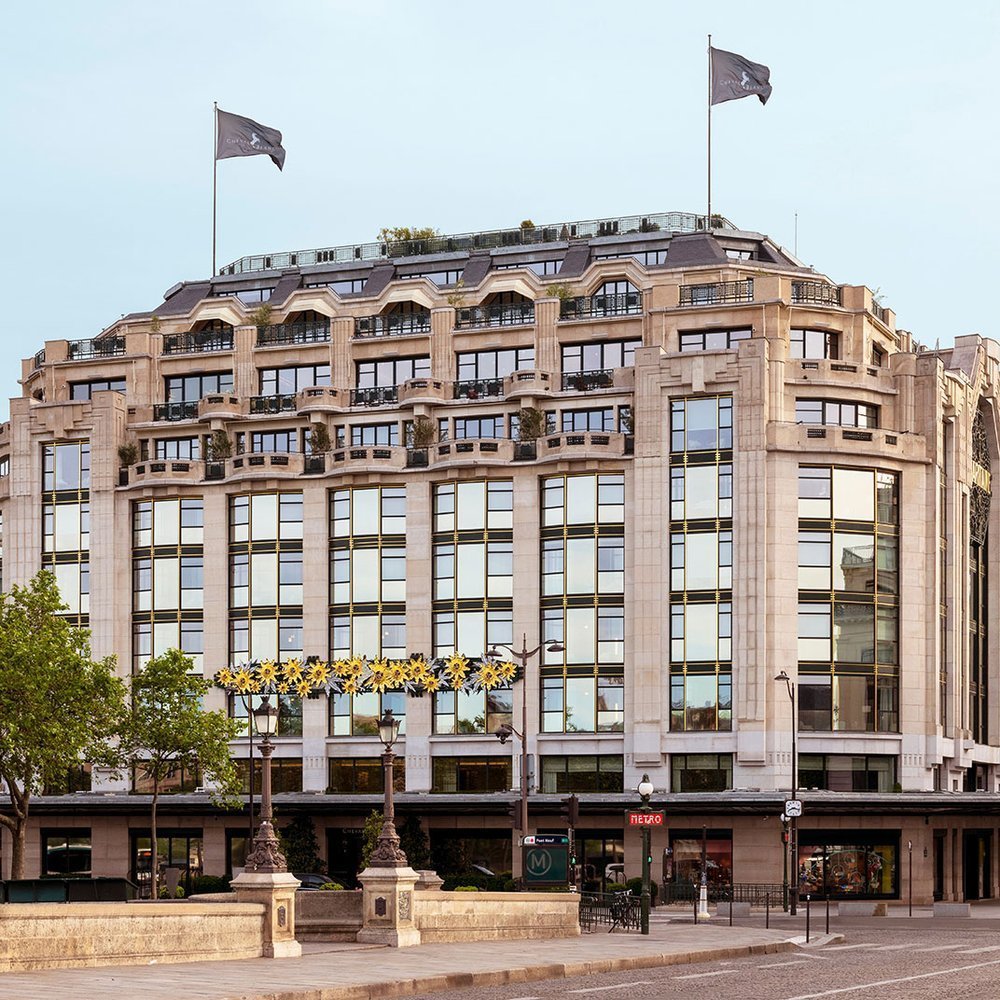
Cheval Blanc Paris ($2,516/night) -- Set within La Samaritaine, the iconic Art Deco department store on the banks of the Seine. Architect Peter Marino converted the 1920s building into 72 rooms with curved walls, custom furnishings, and a Dior Spa integrated into the structure's original bones. Every room faces the river or Paris rooftops. The design decisions are inseparable from the building's history.
The Brando ($4,975/night) -- On Tetiaroa, Marlon Brando's private atoll in French Polynesia. Architecture here is defined by sustainability: the resort runs entirely on renewable energy (solar and coconut oil), uses seawater air conditioning, and was built with minimal disturbance to the coral reef. The 35 villas are designed to disappear into the coconut palm forest. This is architecture as environmental philosophy.
What this criterion does NOT mean: It does not require opulence. Asaba in Izu, Japan ($316/night) earned Three Keys with the restraint of a traditional ryokan -- spare rooms, natural materials, a 360-year-old Noh stage. Design excellence takes many forms.
Criterion 2: Quality and Consistency of Service
Service is arguably the hardest criterion to get right. It requires training, culture, and -- crucially -- consistency. A single perfect evening is not enough. Michelin inspectors look for service that is excellent every time, for every guest, without exception.
Real Examples
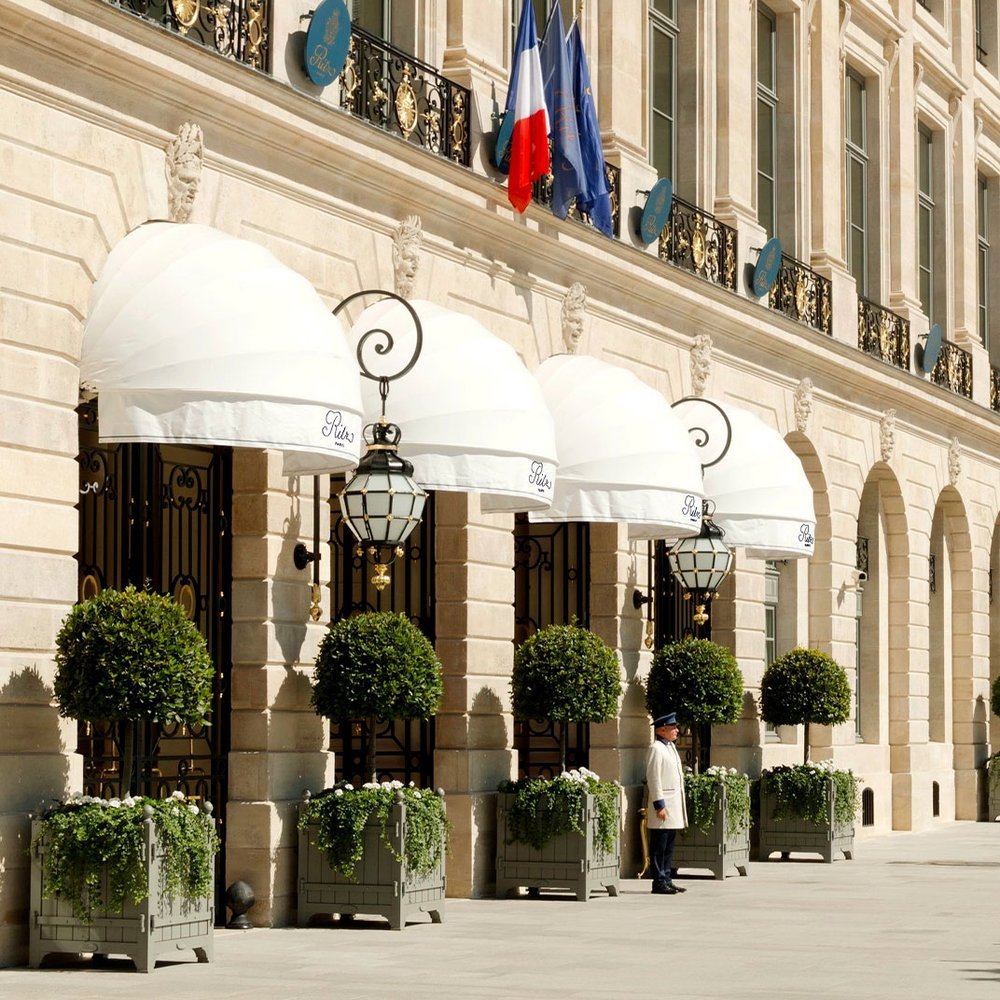
Ritz Paris ($2,640/night) -- The standard-bearer. The Ritz has employed a concierge team since 1898, with a culture of anticipatory service that has been refined across 126 years. Guests report that staff remember preferences from stays years prior. The hotel's four-year, EUR 400 million renovation (2012--2016) modernized every system while preserving the service philosophy that made it famous. This is consistency measured in generations.
Four Seasons George V ($2,332/night) -- Home to three Michelin-starred restaurants (Le Cinq, Le George, and L'Orangerie), making it one of the most gastronomically accomplished hotels on Earth. But the service criterion extends beyond dining: the George V's flower arrangements by Jeff Leatham, its 24-hour butler service, and its staff-to-guest ratio of roughly 3:1 create an environment where exceptional service is structural, not aspirational.
Claridge's ($942/night) -- The London institution has offered dedicated butler service since the 1850s. What distinguishes Claridge's service is its discretion -- generations of royalty, heads of state, and celebrities have relied on its staff to provide impeccable attention while maintaining absolute privacy. The hotel serves afternoon tea to 400 guests daily without ever feeling rushed.
What this criterion does NOT mean: Subservience or formality for its own sake. Fogo Island Inn in Newfoundland, Canada ($3,500/night) earned Three Keys with service that is warm, community-oriented, and casual -- far from the white-glove tradition. Quality service adapts to context.
Criterion 3: Personality and Character
This is the criterion that separates great hotels from forgettable ones. Personality means a hotel has a point of view -- a reason for existing beyond offering a bed and a bathroom. Michelin inspectors look for properties with a strong identity that could not be replicated anywhere else.
Real Examples
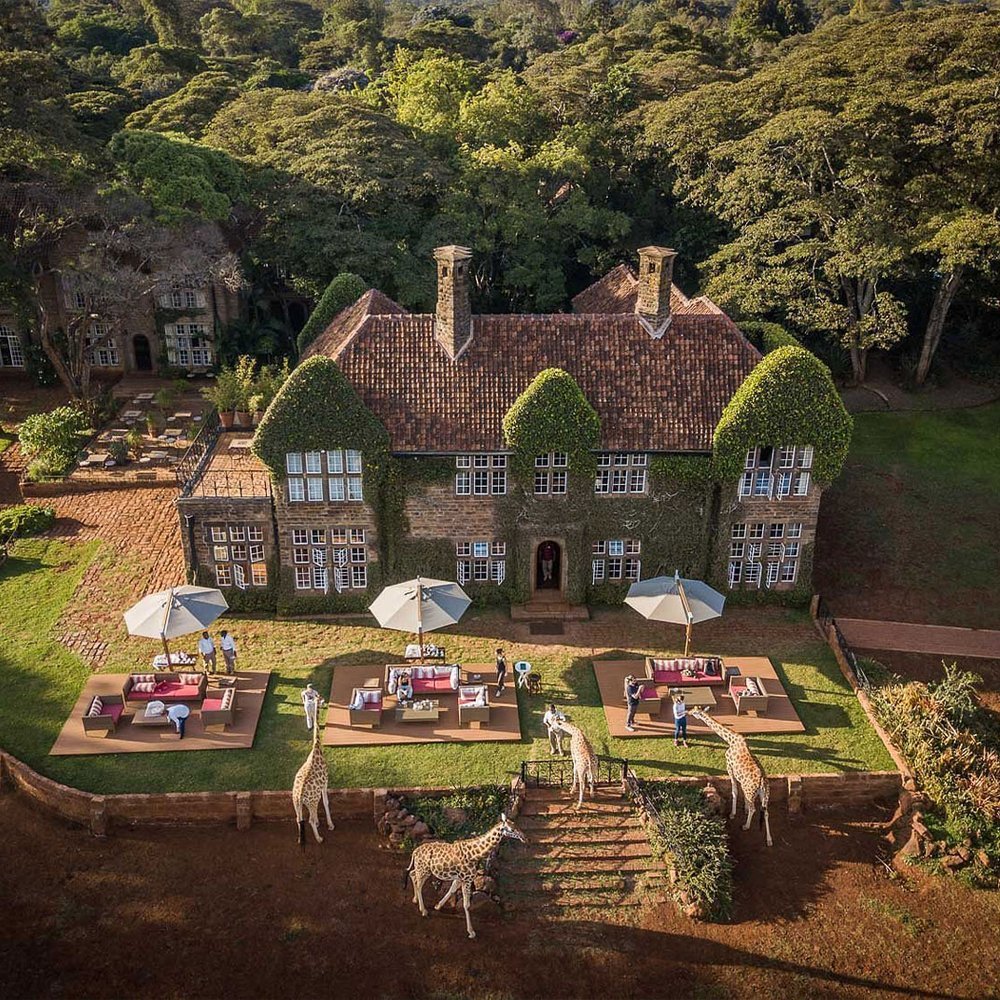
Giraffe Manor ($333/night) -- A 1930s manor house in Nairobi, Kenya, where a herd of endangered Rothschild's giraffes roam the property and poke their heads through the dining room windows at breakfast. There is no other hotel on Earth where this experience exists. The personality is not manufactured -- the property was originally founded as a giraffe conservation center, and the hotel grew organically around that mission.
Fogo Island Inn ($3,500/night) -- Perched on stilts on a remote island off Newfoundland, Canada. The inn was designed by architect Todd Saunders as an economic engine for a dying fishing community. All profits are reinvested locally. Guests receive "community hosts" instead of concierges, eat food foraged from the surrounding landscape, and sleep in a building that feels like a sculpture dropped onto the edge of the North Atlantic. The hotel's personality is its community mission.
SingleThread Inn ($369/night) -- A five-room inn above a Three-Michelin-Star restaurant in Healdsburg, United States. Chef Kyle Connaughton and his wife Katina operate a 24-acre farm that supplies the restaurant. Guests experience a kaiseki-inspired tasting menu built around what the farm produced that morning. With only five rooms, the inn's character is intensely personal -- more like staying in a chef's home than a hotel.
What this criterion does NOT mean: Gimmicks. Personality must be authentic. A hotel cannot manufacture character by installing a trendy lobby or hiring a celebrity designer. The best examples -- a giraffe sanctuary, a community development project, a chef's farm -- emerge from genuine conviction.
Criterion 4: Value for the Price
This is the most misunderstood criterion. Michelin does not reward low prices. It rewards fair prices -- a hotel that delivers more than what its price tag promises. A $300 hotel that feels like a $1,000 experience scores better on this criterion than a $3,000 hotel that feels like a $3,000 experience.
The Price Reality
The 141 Three-Key hotels range from $300 to $6,971 per night:
| Price Range | Hotels | Notable Examples |
|---|---|---|
| Under $400 | 18 | Hotel du Castellet ($300), Asaba ($316), Giraffe Manor ($333) |
| $400--$1,000 | 52 | Amanpuri ($484), Hotel Cipriani ($570), Claridge's ($942) |
| $1,000--$2,000 | 45 | Ritz Paris ($2,640), Meadowood ($1,005) |
| $2,000+ | 26 | Aman New York ($3,224), Clayoquot ($6,971) |
The fact that 18 hotels costing under $400 per night earned the same Three-Key distinction as $5,000+ resorts demonstrates that value is a real factor in the evaluation.
Real Examples
Corte della Maesta ($331/night) -- A tiny property in Civita di Bagnoregio, a medieval hilltop village in Italy accessible only by footbridge. At $331, the hotel delivers a Three-Key experience -- impeccable rooms, deeply personal service, a setting that cannot be replicated -- at a price that would barely cover a standard room in central Rome.
Le Plaza Athenee ($368/night) -- One of Paris's most legendary hotels, on Avenue Montaigne, at a price that seems impossibly low for a Three-Key property in the French capital. The value equation here is extraordinary: Alain Ducasse's restaurant, iconic red awnings, and an address on the most fashionable street in France.
For a complete value analysis, see our best value Three-Key hotels ranking.
Criterion 5: Contribution to the Neighborhood or Setting
The final criterion evaluates how a hotel connects to its surroundings. Does it enhance its neighborhood, respect its landscape, or preserve its cultural context? The best hotels are not isolated luxuries -- they are integral to their settings.
Real Examples
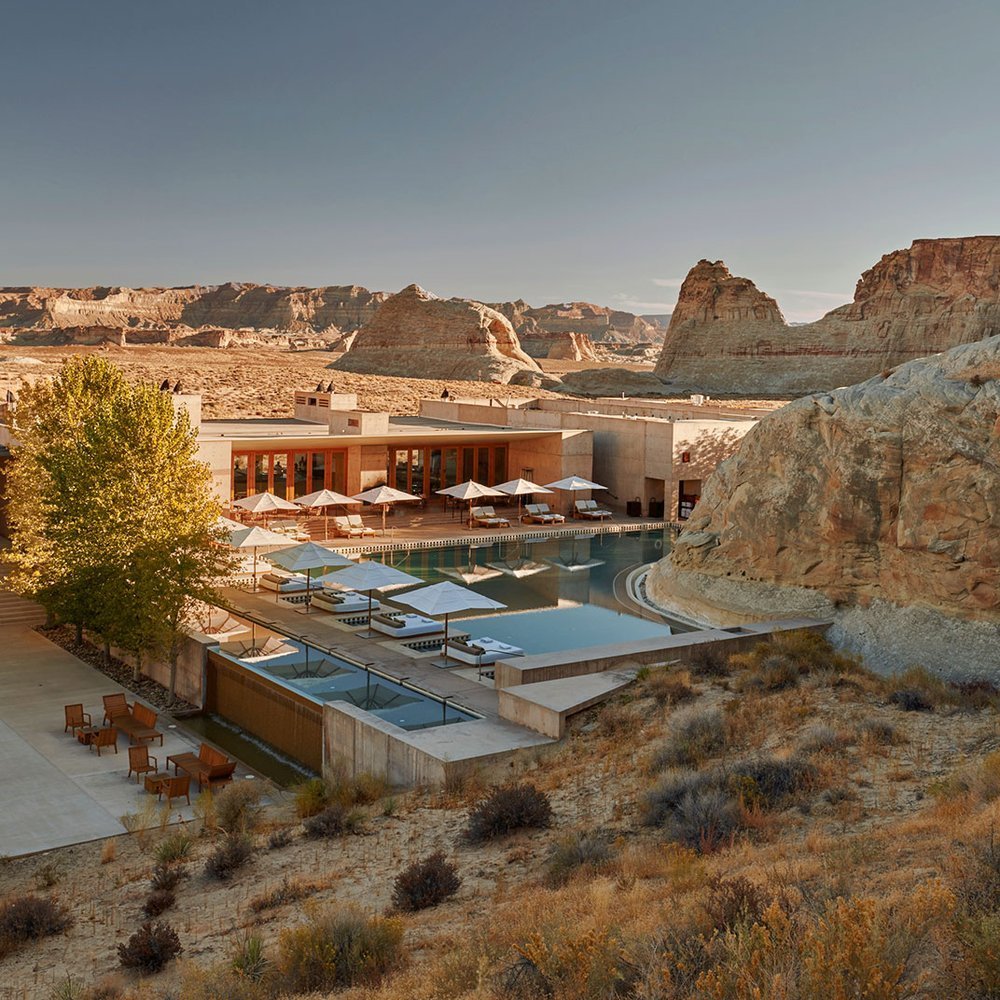
Amangiri ($5,776/night) -- Built into the red rock landscape of southern Utah near Lake Powell, United States. The architecture does not compete with the desert; it defers to it. Concrete walls follow the existing rock formations. The swimming pool wraps around an ancient mesa. Guest activities include canyoneering, hot air ballooning over Monument Valley, and guided hikes through slot canyons. The hotel would be meaningless without its setting, and the setting is more accessible because of the hotel.
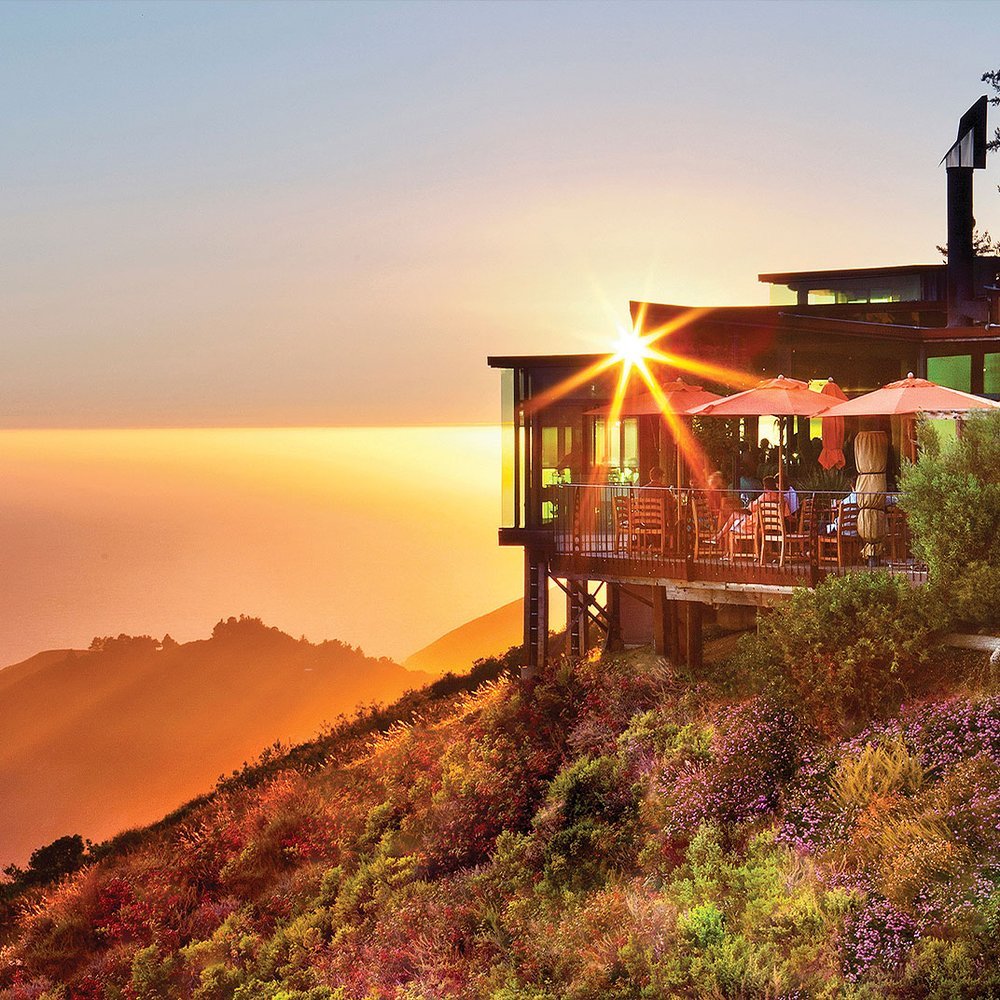
Post Ranch Inn ($2,355/night) -- Perched 1,200 feet above the Pacific on the cliffs of Big Sur, California. The property occupies one of the most dramatic coastlines in the world and was designed specifically to minimize visual impact. Tree houses are built into the canopy; cliff houses cantilever over the edge. The inn has no TVs and no alarm clocks -- the setting is the experience.
Londolozi Game Reserve ($3,782/night) -- A family-owned safari lodge in Kruger National Park, South Africa, that has operated since 1926. The Varty family has been instrumental in leopard conservation and community development in the region. Staying at Londolozi directly supports conservation and local employment. The hotel's contribution to its setting is not aesthetic -- it is existential.
What this criterion does NOT mean: Simply having a nice view. Ballyfin Demesne in Ireland ($1,315/night) earned its Three Keys partly because of its painstaking restoration of a Regency-era estate and its role in preserving 614 acres of parkland, not just because the grounds are beautiful.
The Inspection Process: How It Actually Works
Michelin hotel inspectors operate under the same principles as their restaurant counterparts:
Anonymous visits. Inspectors book hotels under assumed names and pay the full rate. The hotel does not know it is being evaluated. This eliminates the "VIP treatment" problem that plagues other rating systems where reviewers announce themselves in advance.
Multiple visits. Key awards are not based on a single stay. Inspectors return to verify consistency, often at different times of year and in different room categories.
Full-time professionals. MICHELIN Guide inspectors are salaried employees, not freelancers or influencers. They evaluate hotels as their primary job, with training in hospitality evaluation methodology.
Global calibration. The same five criteria apply whether the hotel is in Tokyo, Tuscany, or Tucson. A Three-Key hotel in Thailand has met the same standard as a Three-Key hotel in Switzerland. This is what makes the system comparable across cultures and price points.
How the Three Tiers Differ in Practice
Understanding the difference between One, Two, and Three Keys comes down to accumulation:
One Key: A Very Special Stay
A One-Key hotel excels in at least two or three of the five criteria and performs well across the rest. It has genuine personality and provides noticeably more than comparable hotels at its price point. There are 1,725 One-Key hotels worldwide.
Two Keys: An Exceptional Stay
A Two-Key hotel excels in four or all five criteria. The experience is distinctive and memorable -- guests feel they have discovered something remarkable. There are 569 Two-Key hotels worldwide.
Three Keys: An Extraordinary Stay
A Three-Key hotel achieves excellence across all five criteria simultaneously. The architecture is outstanding, the service is flawless and consistent, the personality is unmistakable, the value proposition is clear, and the hotel enriches its setting. These are hotels where every element has been considered and perfected. There are 141 Three-Key hotels worldwide -- just 1.7% of the total selection.
What the Numbers Tell Us
Our database of 8,425 Michelin-selected hotels reveals patterns in how the criteria are applied:
- France leads with 23 Three-Key hotels -- reflecting both the country's deep hospitality tradition and Michelin's French heritage. See hotels in France.
- Independent hotels compete strongly. While brands like Four Seasons (10 Three-Key), Aman (7), and Rosewood (6) are well-represented, dozens of independent properties earned the highest distinction.
- Price is not a proxy for quality. The correlation between price and Key tier is moderate, not strong. Plenty of expensive hotels receive no Keys, and some of the most affordable hotels in the selection earn Three.
For a deeper dive into pricing across the Three-Key tier, see our complete price ranking and value analysis.
The Takeaway for Travelers
The Michelin Key system works because it is consistent, anonymous, and criteria-driven. It does not reward price. It does not reward fame. It rewards hotels that deliver an exceptional experience across five measurable dimensions.
For travelers, this means the Key tier is a reliable signal. A Three-Key hotel will have remarkable architecture, impeccable service, genuine character, fair pricing, and a meaningful relationship with its setting -- whether it costs $300 in Provence or $6,971 on Vancouver Island.
To explore the full list of hotels across every country, visit the Michelin Key Hotels directory. For the latest on 2025 additions and changes, see our 2025 expansion analysis.
Data sourced from the Michelin Key Hotels Database, tracking 8,425 hotels across 141 countries. Criteria descriptions based on official MICHELIN Guide methodology. Prices reflect standard room rates for a midweek stay in April 2026.
Author
Layla Mbaye
2026/02/15
Layla Mbaye, of French heritage, is a passionate newcomer in the world of travel writing, focusing on hidden gems and off-the-beaten-path experiences. Her fresh perspective brings a vibrant and diverse voice to the travel journalism field.


