Japan's Michelin Key Hotels: From Traditional Ryokans to Modern Luxury
Japan has 7 Three-Key hotels spanning $316 ryokans to $3,138 Aman resorts. A complete guide to every Michelin-recognized hotel in Japan, across all tiers.
Japan is home to seven Three-Key Michelin hotels -- tied for the fifth-highest count of any country in the world. But the raw number understates Japan's influence. From a $316-per-night traditional ryokan in Izu to a $3,138-per-night Aman resort on the Shima Peninsula, Japan's Michelin-recognized properties represent the widest stylistic range of any country on the Three-Key list. No other nation blends centuries-old hospitality traditions with cutting-edge modern luxury quite like this.
Why Japan and Michelin Are a Natural Fit
The Michelin Guide has been rating Japanese restaurants since 2007, and Tokyo quickly became the city with the most Michelin-starred restaurants in the world. When Michelin launched its hotel Key system, Japan's hospitality culture made it an obvious contender for top honors.
The reason is omotenashi -- the Japanese philosophy of wholehearted, anticipatory hospitality. It is not simply good service; it is the art of reading a guest's needs before they are spoken. A ryokan host who adjusts the bath temperature based on the weather. A concierge who remembers your preferred tea from a visit three years ago. This instinct for effortless, ego-free care is precisely what Michelin's inspectors look for when awarding Three Keys: "an exceptional stay."
With 367 total Michelin Key hotels across all tiers -- including 7 Three-Key, 20 Two-Key, and 100 One-Key properties -- Japan's hotel scene punches well above its weight. France, with its 23 Three-Key hotels, leads the world, but France has a much longer history with the Michelin Guide. Japan's 7 Three-Key hotels per roughly 125 million people gives it a remarkably high density of top-tier properties for an Asian nation.
Japan's Seven Three-Key Hotels: The Complete List
Here is every Three-Key Michelin hotel in Japan, ranked from highest to lowest nightly rate.
1. Amanemu -- $3,138/night
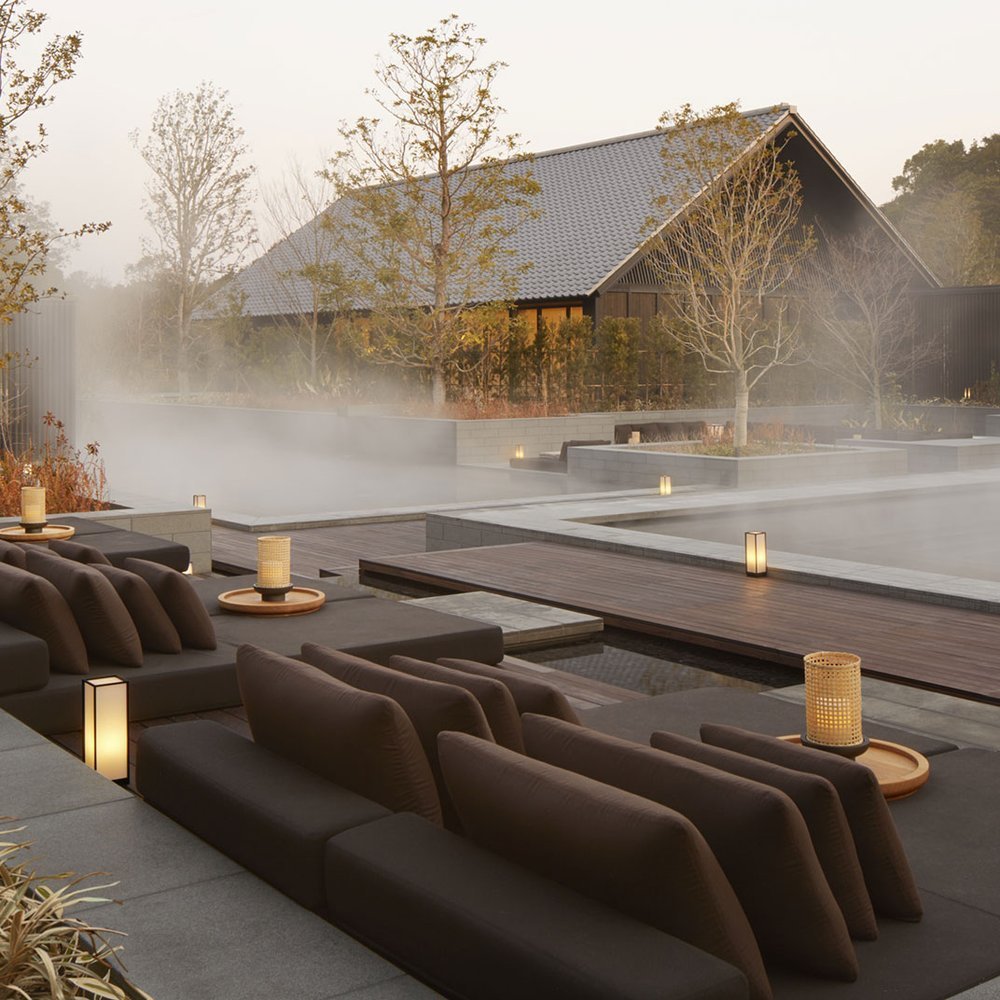
Set on the coast of the Shima Peninsula in Mie Prefecture, Amanemu is the Aman brand's Japanese flagship. The name combines "Aman" (peace) with "nemu" (joy), and the property delivers both through minimalist suites overlooking Ago Bay, private onsen baths fed by natural hot springs, and a cuisine program rooted in local seafood from the surrounding Ise-Shima region. It is the most expensive Three-Key hotel in Japan and one of Aman's seven Three-Key properties worldwide.
2. Bvlgari Hotel Tokyo -- $2,480/night
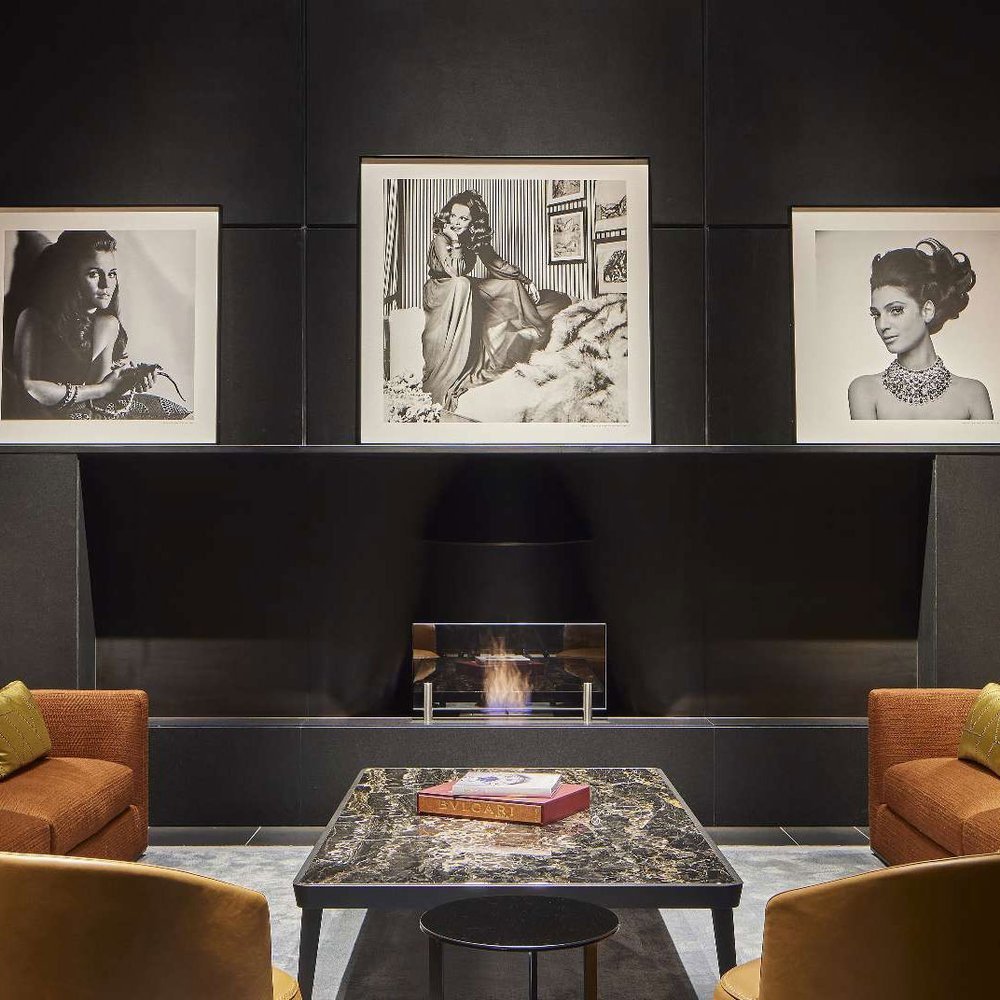
Occupying the top floors of a skyscraper in the Yaesu district, Bvlgari Hotel Tokyo opened in 2023 and immediately earned Three Keys. The Italian jewelry house brings Roman opulence to Tokyo's skyline, with interiors by Antonio Citterio Patricia Viel that layer Italian marble with Japanese woodwork. The rooftop bar offers panoramic views of Tokyo Station and the Imperial Palace gardens, and the spa features a 25-meter pool suspended above the city.
3. Four Seasons Hotel Tokyo at Otemachi -- $2,129/night
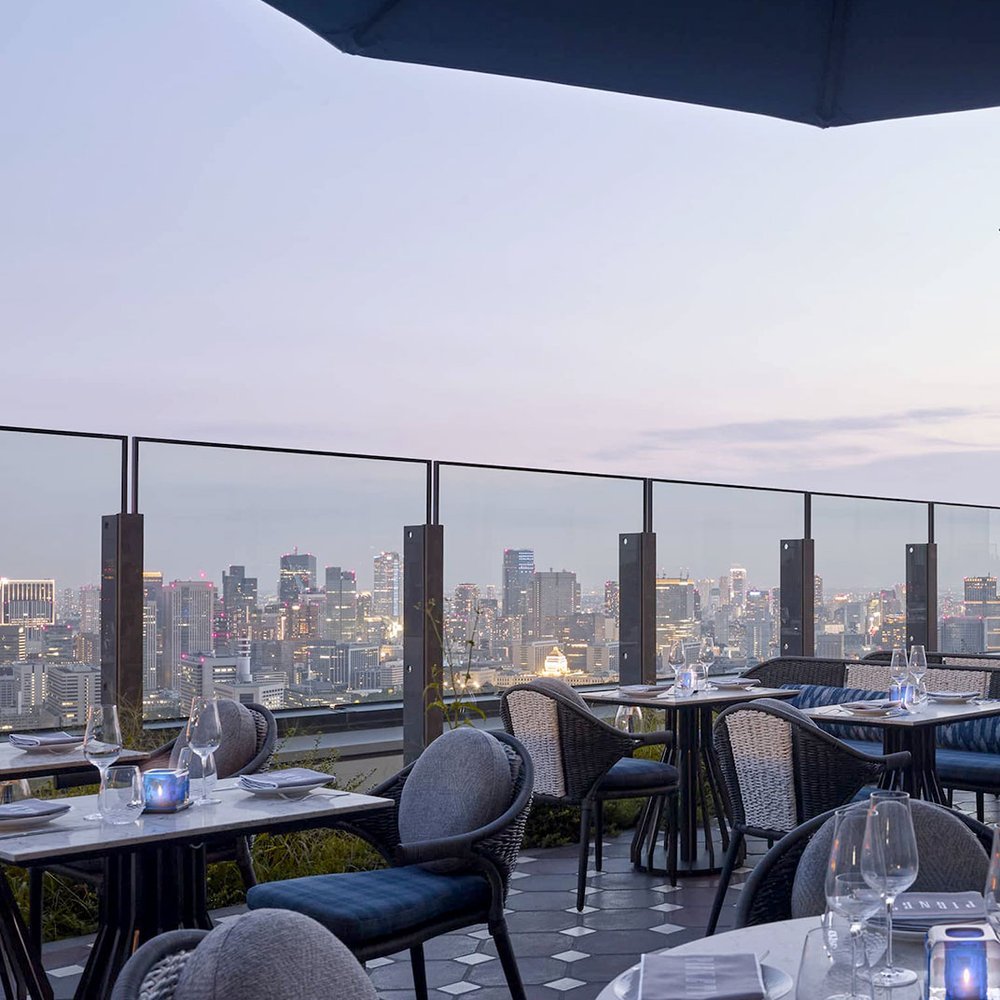
Four Seasons Tokyo at Otemachi sits in the financial district, perched between floors 34 and 39 of a tower overlooking the Imperial Palace. It is one of 10 Four Seasons properties to earn Three Keys globally -- the most of any hotel brand. The property features est, a French-Japanese fine dining restaurant, and a spa with panoramic city views. Its combination of Four Seasons' global service standards and thoughtful Japanese design details earned it the highest tier.
4. HOTEL THE MITSUI KYOTO -- $2,064/night
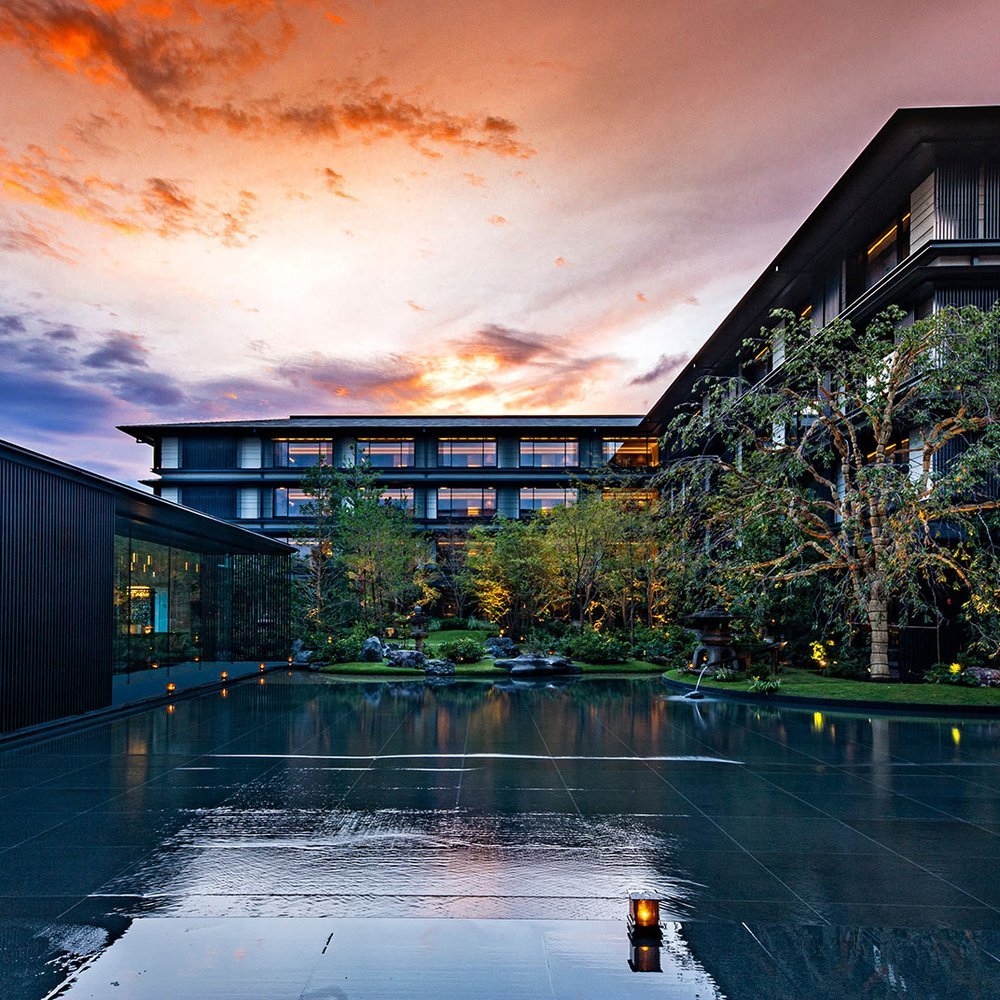
On the site of a 250-year-old Mitsui family residence in central Kyoto, HOTEL THE MITSUI KYOTO preserves the original entrance gate while wrapping the grounds in contemporary architecture by Andre Fu. The thermal spring bath (sourced from beneath the property) and the tea ceremony experiences connect guests to Kyoto's living traditions. Located steps from Nijo Castle, it is the only Three-Key hotel in Japan's ancient capital.
5. Palace Hotel Tokyo -- $1,538/night
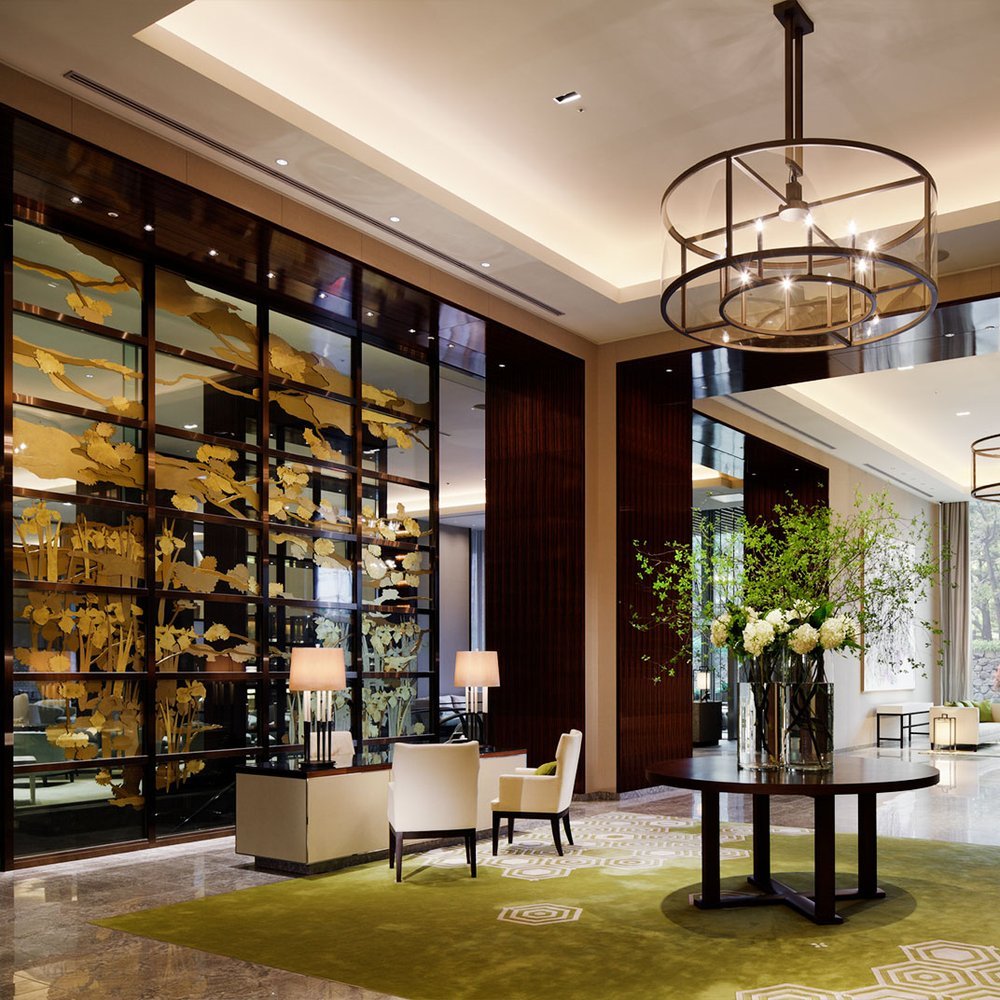
Facing the Imperial Palace moat and gardens, Palace Hotel Tokyo has occupied this prime location since 1961. The current building, completed in 2012, brings understated Japanese elegance to its 290 rooms and suites. Six restaurants cover everything from Wadakura's kaiseki cuisine to Crown's French fine dining. With rates starting at $1,538, it offers one of the more accessible entry points to Three-Key Tokyo.
6. Gora Kadan -- $1,235/night
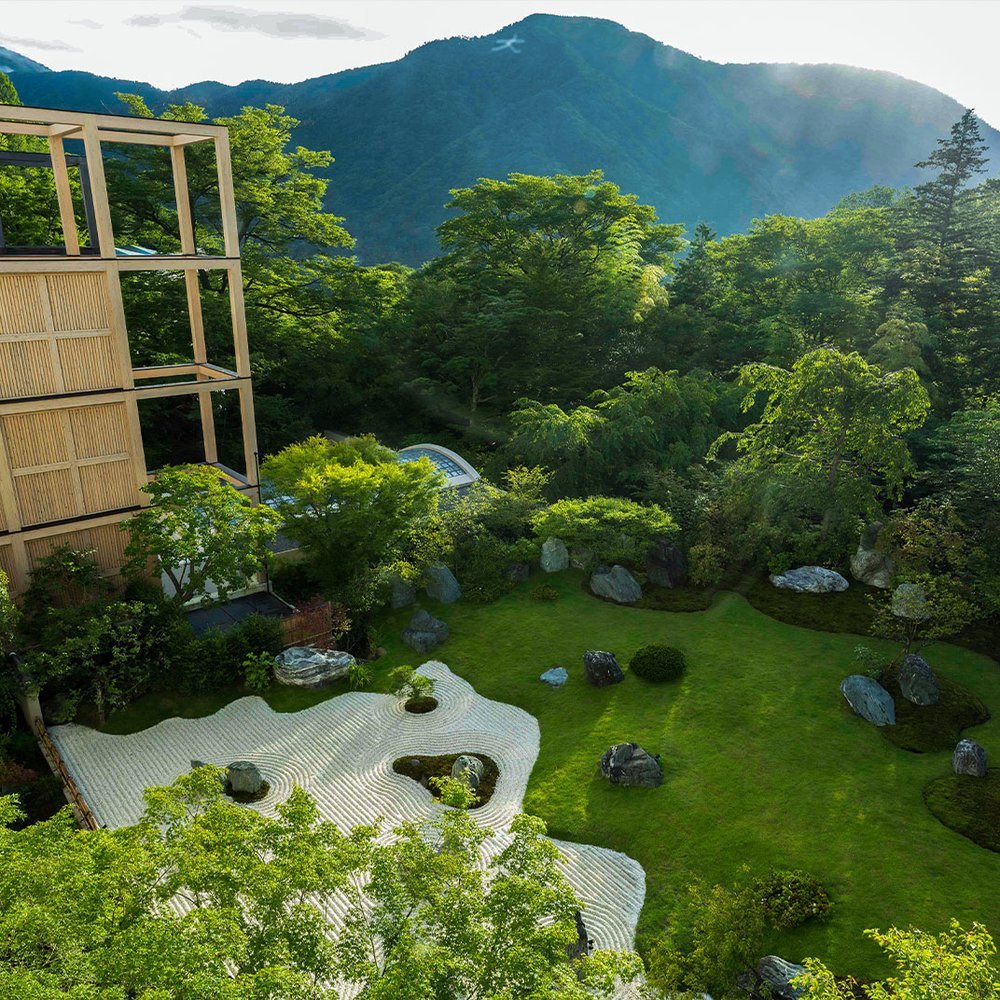
In the mountain town of Gora, Hakone -- roughly 90 minutes from Tokyo by train -- Gora Kadan occupies a former imperial summer retreat. This ryokan-style property blends traditional Japanese architecture with modern comforts: tatami-floored rooms open onto private gardens, and guests dine on multi-course kaiseki meals prepared with seasonal ingredients from the surrounding Kanagawa region. The natural hot spring baths, both communal and private, are the centerpiece of the experience.
7. Asaba -- $316/night
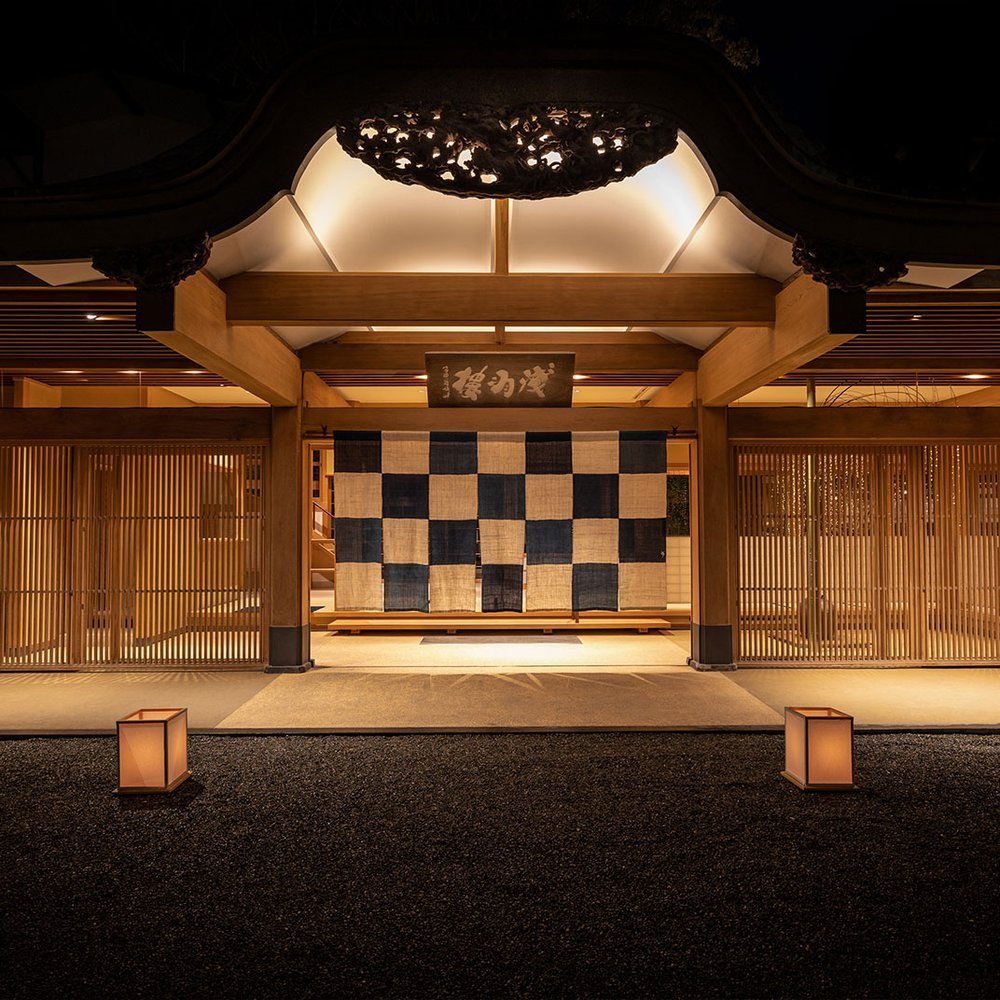
The most remarkable entry on this list. Asaba is a traditional ryokan in the Shuzenji onsen town on the Izu Peninsula, and at $316 per night, it is the least expensive Three-Key hotel in Japan and one of the most affordable in the world. The inn has been operating for over 360 years, and its Noh stage -- set above a reflective pond -- hosts evening performances for guests. Rooms are spare and beautiful, meals are exquisite kaiseki, and the pace is deliberately unhurried. Asaba proves that Three-Key recognition is not about price; it is about soul.
Modern Luxury vs. Traditional Ryokan
Japan's Three-Key hotels split neatly into two categories, and understanding the difference is essential for choosing the right one.
Modern luxury hotels -- Bvlgari, Four Seasons, Palace Hotel, and HOTEL THE MITSUI KYOTO -- deliver international five-star standards with Japanese inflections. Expect high-rise views, multiple restaurants, full-service spas, and Western-style rooms with Japanese design touches. These properties suit travelers who want world-class comfort with a Tokyo or Kyoto address.
Traditional ryokan -- Amanemu, Gora Kadan, and Asaba -- offer a fundamentally different experience. Guests sleep on futons laid on tatami floors, bathe in onsen (natural hot spring baths), and eat multi-course kaiseki dinners served in their rooms or in intimate dining rooms. Shoes come off at the entrance. The pace slows. The experience is immersive in a way that a hotel room, no matter how luxurious, cannot replicate.
Amanemu bridges the two worlds: it has the polish and service of an Aman resort with the onsen culture and minimalist aesthetic of a ryokan.
Beyond Three Keys: Japan's Full Michelin Hotel Landscape
Japan's 7 Three-Key hotels are only the peak of the pyramid. The country is home to:
| Tier | Hotels |
|---|---|
| Three-Key | 7 |
| Two-Key | 20 |
| One-Key | 100 |
| Total Michelin Key Hotels | 127+ |
The 20 Two-Key properties include well-known names across Tokyo, Kyoto, Osaka, and resort destinations. The 100 One-Key hotels span the entire country, from Hokkaido to Okinawa. For a country-level overview, see the Japan city pages.
How Japan Compares Globally
Among countries with the most Three-Key Michelin hotels:
| Country | Three-Key Hotels |
|---|---|
| France | 23 |
| United States | 20 |
| Italy | 15 |
| United Kingdom | 10 |
| Japan | 7 |
| Switzerland | 7 |
Japan ties with Switzerland for fifth place. But consider this: France has had the Michelin Guide since 1900. Japan's guide launched in 2007. In under two decades, Japan has built a hotel culture that rivals countries with over a century of Michelin heritage. See the full countries ranked by Three-Key hotels for context.
Regional Distribution: Where to Stay
Japan's Three-Key hotels cluster in three regions:
Tokyo (3 hotels): Bvlgari, Four Seasons at Otemachi, and Palace Hotel. Tokyo is the most practical base for first-time visitors. All three are in the central Chiyoda/Marunouchi area, close to Tokyo Station and the Imperial Palace.
Kyoto (1 hotel): HOTEL THE MITSUI KYOTO. Kyoto is the cultural heart of Japan -- temples, gardens, geisha districts, and tea ceremonies. One Three-Key hotel, but the city has numerous Two-Key and One-Key options.
Rural/Resort (3 hotels): Amanemu (Shima Peninsula, Mie Prefecture), Gora Kadan (Hakone, Kanagawa), and Asaba (Izu Peninsula, Shizuoka). These destinations require more effort to reach but reward travelers with hot springs, mountain scenery, and a deeper connection to traditional Japan.
Best Time to Visit
Cherry blossom season (late March to mid-April): The most popular time. Book Three-Key hotels months in advance, especially in Kyoto. Prices peak.
Autumn foliage (mid-November to early December): Equally stunning, particularly at Gora Kadan and in Kyoto. Slightly less crowded than spring.
Winter (January to February): The best season for onsen. Snow-covered mountains around Hakone make Gora Kadan especially magical, and Amanemu's coastal hot springs are perfect in the cold.
Summer (June to August): Hot and humid in Tokyo and Kyoto. However, the rural ryokan -- Amanemu, Gora Kadan, and Asaba -- offer cooler retreats and summer kaiseki menus focused on seasonal ingredients.
The Bottom Line
Japan's seven Three-Key Michelin hotels represent a spectrum that no other country matches. You can spend $316 at a 360-year-old ryokan where Noh performers dance above a moonlit pond, or $3,138 at an Aman resort where your private onsen overlooks a national park. Both earn the same Three-Key distinction, because both deliver what Michelin calls "an exceptional stay" -- defined not by price but by the depth of the experience.
For travelers considering Japan, the question is not whether to visit a Michelin Key hotel, but which style speaks to you: the vertical luxury of Tokyo's skyscraper hotels, the cultural immersion of Kyoto's MITSUI, or the timeless ritual of a ryokan where the hot spring, the kaiseki, and the silence are the whole point.
Data sourced from Michelin Key Hotels. Prices reflect standard room rates for a midweek stay in April 2026, two adults, and may vary by season and availability.
Author
Layla Mbaye
2026/02/15
Layla Mbaye, of French heritage, is a passionate newcomer in the world of travel writing, focusing on hidden gems and off-the-beaten-path experiences. Her fresh perspective brings a vibrant and diverse voice to the travel journalism field.