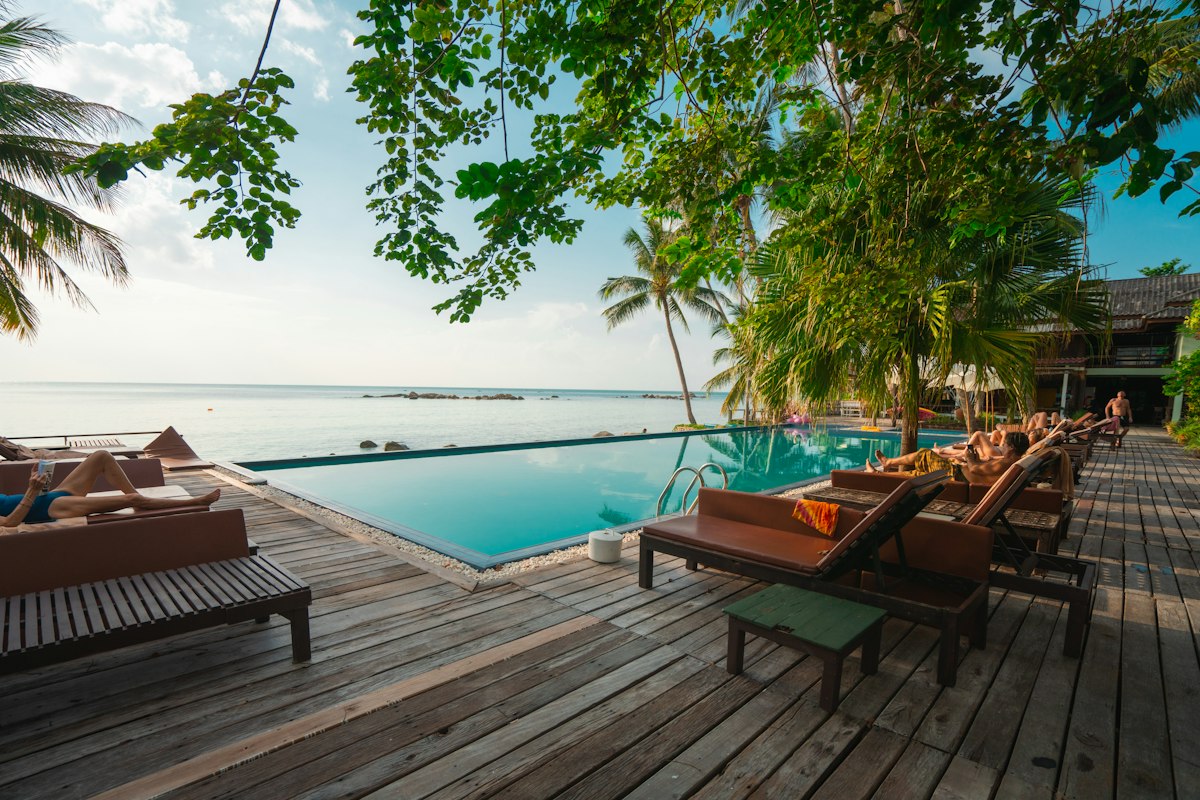
Workcation Luxury Travel 2026: Tech-Driven Stays
A neutral, data-driven look at how workcation luxury travel 2026 reshapes luxury hotels with tech-enabled extended stays.
The travel industry is witnessing a decisive shift in 2026 as luxury properties accelerate the integration of work-ready amenities and extended-stay concepts under the umbrella of workcation luxury travel 2026. Industry observers say that luxury hotels are moving beyond traditional amenity upgrades toward deeply integrated, technology-enabled experiences designed for longer stays and professional productivity. This trend, driven by AI-powered planning, sustainability commitments, and peripatetic high-spend travelers, is redefining what “luxury” means in a modern work-from-hotel context. As of April 2026, hotel groups, travel researchers, and market analysts are tracking a broad convergence of sustainability standards, digital tools, and personalized services that make a prolonged, productive stay at a luxury property both feasible and desirable for a growing segment of travelers. (michelinkeyhotels.com)
Early signals in 2025 and 2026 point to a reshaped luxury travel landscape where workcation strategies are becoming an established feature rather than a temporary experiment. Virtuoso Luxe Report 2026, released in October 2025, emphasizes a shift toward meaningful, private, and responsible experiences over sheer volume, a change that aligns closely with how luxury travelers are using extended stays to blend work, wellness, and exploration. Booking.com’s 2026 Travel Predictions, published in late 2025, highlight the Era of YOU—an era defined by hyper-personalization and technology-enabled journeys, including immersive, story-driven itineraries and even robotic-assisted hospitality concepts that could shape workcation environments. Taken together, these forecasts suggest that luxury brands are laying a foundation for workcation luxury travel 2026 as a mainstream, premium pattern rather than a niche trend. (michelinkeyhotels.com)
Within Michelin Key Hotels’ own coverage, the emphasis on sustainable luxury and tech-enabled decision-making reinforces the idea that workcation-ready properties will be measured not only by comfort and service but by verifiable sustainability credentials and transparent governance of data and energy use. The industry briefing notes that green certifications and third-party validation are increasingly essential in differentiating premium experiences, a factor that matters for guests who want longer stays without compromising environmental or social commitments. The evolving standards, as reported by Virtuoso and Booking.com researchers, are guiding hotel design, certification programs, and destination management in ways that support long-form, technology-assisted stays. (michelinkeyhotels.com)
Opening paragraphs summary
- The news in 2026 is that workcation luxury travel 2026 is moving from a niche concept to a structured strategy in luxury hospitality, underpinned by AI-driven planning, sustainability emphasis, and extended-stay formats.
- Analysts point to a multi-front shift: AI personalization, new certification regimes, and the growth of extended-stay programming in luxury brands, with measurable effects on pricing, guest expectations, and operator investments. (michelinkeyhotels.com)
What Happened
Virtuoso Luxe Report 2026: five trends redefine upscale travel
In October 2025, the Virtuoso Luxe Report identified five core trends that are reshaping upscale travel for 2026, with sustainability, privacy, and meaningful experiences at the center of high-end decision-making. The report notes that travelers are increasingly seeking destinations that minimize overtourism, prioritize cultural preservation, and deliver authentic, low-friction experiences during longer stays. The emphasis on responsible travel has become a practical criterion for premium itineraries, influencing hotel selection, activity design, and the overall luxury experience. In this framing, extended stays at luxury properties are not solely about comfort; they are about curating a responsible, immersive, and efficient work-life blend. Key data points include a growing preference for shoulder-season travel, a willingness to accept slightly longer planning horizons, and an appetite for insurance coverage against climate-related disruptions. (michelinkeyhotels.com)
Booking.com Travel Predictions 2026: the Era of YOU and the rise of Destined-ations
Booking.com’s 2026 Travel Predictions, announced in late 2025, maps a future where individuality and technology co-create travel experiences, reinforcing sustainability as a baseline expectation in luxury contexts. The research canvassed more than 29,000 travelers across 33 countries and outlined ten defining trends for 2026. Notably, immersive, personalized, and story-driven travel experiences gain prominence, and travelers show openness to humanoid-home concepts and robotics-enabled hospitality that can enhance efficiency and sustainability at the property level. For workcation luxury travel 2026, this data point signals a clear demand for AI-assisted recommendations and AI-driven itinerary design that aligns with personal values, energy use goals, and work requirements. The Era of YOU concept illustrates a shift toward experiences that feel uniquely tailored to each guest, particularly within luxury hotel ecosystems. (michelinkeyhotels.com)
Simon-Kucher Travel Trends Study 2026: digital transformation meets sustainability
Simon-Kucher’s November 2025 release highlights AI’s role as a primary catalyst for a more connected, personalized, and purpose-driven travel economy. The study emphasizes that younger travelers, including Gen Z and Millennials, are significant drivers of growth and expect providers to leverage AI to inspire and streamline planning. The convergence of wellness and sustainability alongside digital behavior suggests that tech-enabled personalization, transparent sustainability reporting, and credible ROI models will be decisive in attracting and retaining high-spend guests for extended stays. The study also notes that while demand for sustainable travel exists, willingness to pay a premium remains uneven across segments, underscoring the need for credible certifications and transparent value propositions. This research supports a view that sustainable luxury travel 2026 trends must be actionable, measurable, and visible to guests who are budgeting and planning long-form getaways. >AI is enabling hyper-personalization, wellness is shifting from luxury to lifestyle, and sustainability is now an expectation. (michelinkeyhotels.com)
Net-zero momentum and certification credibility
Industry observers point to a rapidly accelerating net-zero agenda among leading hotel groups. In 2025, Radisson Hotel Group rolled out Verified Net Zero hotels with initial properties achieving Verified Net Zero status in Oslo and Manchester, with third-party verification by TÜV Rheinland and plans to expand toward 100 verified net-zero hotels by 2030. IHG’s voco Exeter Science Park, completed in March 2025, is another example of net-zero design and operations integrated into a premium property. This momentum underscores how sustainability credentials are becoming a strategic differentiator and a practical expectation for luxury travelers seeking longer, more work-oriented stays. (michelinkeyhotels.com)
What Happened (timeline and context)
Background milestones shaping workcation readiness
- October 6, 2025: Virtuoso Luxe Report 2026 released, identifying the five trends redefining upscale travel, including sustainability, privacy, and meaningful experiences as core decision drivers for premium travelers. The report also notes a rise in shoulder-season travel as a risk-management and experiential strategy for luxury clients who plan longer trips. (michelinkeyhotels.com)
- Late 2025: Booking.com’s 2026 Travel Predictions published, outlining ten trends centered on individuality, AI-assisted planning, and immersive, story-driven itineraries. The Era of YOU frames not only what travelers want but how they choose accommodations and services, signaling a market shift toward personalization and tech-enabled experiences in luxury contexts. (michelinkeyhotels.com)
- November 24, 2025: Simon-Kucher Travel Trends Study released, emphasizing that AI and digital transformation are reshaping travel behavior and that wellness and sustainability are increasingly intertwined with luxury experiences. The study highlights how younger travelers are driving adoption of AI tools for inspiration and planning, which has direct implications for workcation models in luxury hotels. (michelinkeyhotels.com)
- 2025–2026: Net-zero and third-party certification momentum intensifies across the luxury segment, with Radisson’s Verified Net Zero hotels and IHG’s net-zero openings illustrating tangible, verifiable progress. These efforts are increasingly referenced as essential signals of credibility in sustainable luxury travel discussions. (michelinkeyhotels.com)
- 2026: The industry narrative converges on the idea that sustainable luxury travel 2026 trends are not just aspirational; they are actionable, measurable, and market-shaping—particularly when combined with AI-enabled planning and advanced guest-control technologies. (michelinkeyhotels.com)
Why It Matters
Sustainability as a baseline, not a premium add-on
The most salient shift in workcation luxury travel 2026 is the move of sustainability from a value-add feature to a baseline expectation for high-end guests who stay longer and work from hotels. Industry trackers report that sustainability credentials and third-party verification are becoming essential signals of credibility and trust in the premium segment. In practice, this means hotels seeking to lure long-stay workcation guests must invest in transparent carbon accounting, verifiable reductions, and credible reporting mechanisms. The convergence of Virtuoso, Booking.com, and Simon-Kucher data indicates that travelers are increasingly willing to adjust plans to minimize environmental impact, seek destinations with responsible management, and favor properties with clearly demonstrated sustainability outcomes. For luxury brands, this translates into a dual mandate: maintain the elevated service standard associated with five-star stays while delivering measurable environmental benefits that resonate with long-term work-focused travelers. (michelinkeyhotels.com)

Personalization as a service imperative
AI-enabled personalization is no longer a feature; it’s a core capability that underpins guest satisfaction, operational efficiency, and price integrity in the luxury segment. Booking.com’s 2026 Travel Predictions highlight a growing demand for hyper-personalized, technology-augmented travel experiences, and Simon-Kucher’s study reinforces that digital tools will be central to the guest journey from discovery through post-stay engagement. For workcation programs, this means properties must deploy AI-driven planning tools to design itineraries that align with work rhythms, preferred wellness routines, and sustainability preferences while maintaining premium service levels. In practical terms, hotels may offer AI-curated daily schedules that balance conference calls with wellness sessions, local culture experiences, and quiet productivity spaces. The potential for robots and humanoid hospitality concepts further suggests a future where guests feel both pampered and supported by intelligent systems that reduce friction and energy use without compromising human service. >AI is enabling hyper-personalization, wellness is shifting from luxury to lifestyle, and sustainability is now an expectation. (michelinkeyhotels.com)
The economics of lasting stays
A crucial element of the workcation conversation is the economics of longer stays at luxury properties. Extended-stay demand, accelerated by the extended-work lifestyle, requires operators to demonstrate value through stable pricing, verified sustainability, and predictable service quality. The shift toward net-zero operations, combined with credible certification frameworks (e.g., Radisson’s net-zero initiatives, Green Key, and other third-party programs referenced in the industry analysis), provides a credible value proposition for travelers who are balancing cost, time away, and environmental impact. As sustainability credentials gain credibility, guests may perceive long stays as not only ethically responsible but financially prudent if they avoid waste and optimize resource consumption in hotel ecosystems. This is consistent with the broader market narrative that sustainable luxury travel 2026 trends are becoming more about credible, verifiable progress than mere marketing claims. (michelinkeyhotels.com)
The tech-enabled guest journey
The technology narrative in 2026 frames workcation experiences as integrated journeys that blend discovery, planning, and on-site operations with minimal friction. The industry’s emphasis on AI planning, digital discovery, and even robotic-assisted services points to a hotel ecosystem where guests can design, manage, and adjust their work-life mix with real-time feedback on energy use, workspace availability, and local experiences. The concept of humanoid-home experiences, while still evolving, signals a potential future where in-room automation and on-site robotics play a role in both comfort and sustainability. These shifts are not purely speculative; they are grounded in the Booking.com and Virtuoso findings and reflected in operator-level attention to AI-enabled tools and third-party verification. For travelers, the payoff is greater convenience, stronger alignment with personal values, and more predictable outcomes for long-form trips that combine work with leisure. (michelinkeyhotels.com)
What It Means for Stakeholders
- Luxury travelers: Expect longer, more productive stays with a strong focus on sustainability and personalized services. They will weigh certifications and verified performance as part of their decision-making matrix, particularly when the trip includes work-related activities and extended leisure time. (michelinkeyhotels.com)
- Hotel operators: Should prioritize AI-enabled planning tools, display credible sustainability credentials, and explore robotics-enabled hospitality elements that can improve efficiency and guest satisfaction. The net-zero certification momentum provides a framework for differentiation and investor confidence as properties pursue extended-stay programs. (michelinkeyhotels.com)
- Destination management and travel platforms: Need to adapt marketing and product development toward “destinations as experiences” with responsible impact reporting, to align with Virtuoso’s emphasis on avoiding overtourism and delivering meaningful experiences for extended stays. (michelinkeyhotels.com)
Section 2 (extended): Why It Matters (more context and implications)
Redefining luxury baselines in guest experiences
The 2026 travel outlook suggests that luxury is increasingly defined by a combination of proactive sustainability, tech-enablement, and meaningful engagement with host destinations. The “Era of YOU” framework and related trends imply that travelers want to see tangible evidence of responsible practices, not merely aspirational statements. For workcation programs, this means hotels must deliver consistent, measured benefits—such as enhanced air quality, energy efficiency in meeting spaces, and transparent reporting of energy and water use—paired with the seamless delivery of premium service. This evolution impacts pricing strategies, loyalty programs, and the design of work-focused spaces within luxury properties. It also raises the bar for third-party certifications and independent verification, as guests demand credible, verifiable claims about a property’s sustainability performance. (michelinkeyhotels.com)
Technology as a multiplier for guest value
The role of technology in luxury travel continues to expand beyond convenience into core strategic advantage. AI-enabled itinerary planning, personalized recommendations, and potential automation in service delivery can lower operational costs while enhancing guest experience during extended stays. The prospect of humanoid hospitality elements—while still developing—signals a future where guests enjoy both high-touch service and high-tech efficiency. The data from Booking.com and Simon-Kucher supports the idea that tech-enabled personalization is not a novelty but a central expectation, particularly for younger, high-spending guests who may prefer longer, work-integrated trips. This evolution could influence how properties price workcation packages, structure meeting and coworking spaces, and market themselves to corporate and leisure segments seeking durable luxury experiences. (michelinkeyhotels.com)
Certification credibility as a moat
As sustainability criteria become central to the decision calculus of luxury travelers, credible certification becomes a competitive moat. The Radisson net-zero initiative and IHG’s net-zero openings illustrate that operators are prioritizing transparent, third-party-verified environmental performance. For guests, this credibility reduces perceived risk associated with long stays in high-end properties and aligns with the values of an increasingly eco-conscious, premium traveler base. This credibility also supports brand storytelling and positioning in a crowded luxury market, where extended stays and workcation programs must stand up to rigorous environmental and governance standards. (michelinkeyhotels.com)
The broader market context: extended stays and technology adoption
The hospitality sector has observed a multi-year rise in extended-stay formats. The broader market context—ranging from evolving consumer preferences to fuel for innovation in guest services—suggests that hotels with robust work-from-hotel capabilities are likely to capture a larger share of the luxury travel market in 2026 and beyond. Industry forecasts emphasize that technology adoption, sustainability mandates, and the willingness of guests to tailor experiences to their work-life balance will collectively shape pricing, inventory strategy, and the design of hotel campuses that support longer stays. The industry’s consensus is that this is not a temporary adjustment but a structural shift in luxury travel demand, especially for travelers who want to work remotely from premium environments. (michelinkeyhotels.com)
Section 3: What’s Next
Near-term milestones and opportunities
Near-term milestones to watch in 2026

Photo by Markus Winkler on Unsplash
- AI-driven planning and personalization rollout: As Booking.com’s predictions and Simon-Kucher analyses indicate, expect an expansion of AI-assisted tools for itinerary design, workspace scheduling, and wellness programming tailored to individual workcation needs. Hotels may pilot integrated apps and in-room controls that help guests manage energy use, lighting, temperature, and meeting-room bookings in real time. This aligns with the broader trend toward digital discovery and personalization that underpins sustainable luxury travel 2026 trends. (michelinkeyhotels.com)
- Certification-driven differentiation: Expect more luxury hotel groups to pursue verified net-zero status or third-party green certifications for premium properties. The Radisson and IHG examples illustrate a path that other brands may follow to gain credibility with luxury workcation guests who demand transparency and accountability for environmental impact. Certification momentum is likely to influence procurement, development decisions, and marketing messages around extended stays. (michelinkeyhotels.com)
- Extended-stay product development: Hotels in the luxury segment are likely to expand dedicated workspaces, high-speed connectivity, and flexible configurations that support both individual work and small-team collaboration for longer visits. The trend toward extended-stay formats is supported by historical coverage of extended-stay growth in the industry, as well as the current emphasis on dual-use spaces that support productivity and leisure. While specific brand rollouts vary by market, the overall trajectory points to more workcation-oriented design features across luxury portfolios. (hoteldive.com)
What to watch for in consumer behavior
- Preference for sustainable luxury storytelling: Travelers will increasingly seek transparent narratives around a property’s sustainability journey, including measurable outcomes and third-party verifications. This aligns with Virtuoso’s emphasis on responsible experiences and the Booking.com data showing a demand for sustainable, personalized, technologically augmented trips. Expect more guest-facing sustainability dashboards, carbon footprints for experiences, and verified reductions in energy consumption as part of the guest experience. (michelinkeyhotels.com)
- The role of the “Era of YOU” in workcation design: Personalization will extend beyond marketing to operational reality, with hotels crafting bespoke work-life blends that accommodate remote work, on-site wellness, and curated local experiences. The concept underscores that luxury brands must deliver not just a room but a complete ecosystem tailored to each guest’s rhythm, preferences, and values. (michelinkeyhotels.com)
- Robot-assisted hospitality experiments: While still in early stages, the industry’s openness to humanoid and robotic services suggests a potential expansion of robotic assistants in luxury properties to support housekeeping, concierges, and in-room services, particularly in markets with strong appetite for tech-enabled experiences. Booking.com’s trends and Virtuoso’s research provide a framework for monitoring pilot programs and consumer reception as these technologies mature. (michelinkeyhotels.com)
What’s Next (timeline and actions)
Timeline for 2026 workcation luxury travel 2026 developments
- Q2 2026: Pilot launches of AI-assisted planning tools and guest-facing sustainability dashboards at select luxury properties. Observers expect early returns in user engagement, loyalty, and occupancy stability for extended stays compared with prior seasons. Data-driven experiments will test the value of hyper-personalization in maintaining price integrity for longer durations. (michelinkeyhotels.com)
- Q3–Q4 2026: Expanded net-zero certification drives across luxury brands, with more hotels pursuing independent verification and public reporting. Industry analysts anticipate increased demand for credible sustainability credentials among high-spend travelers who prioritize responsible travel choices in long-form itineraries. (michelinkeyhotels.com)
- End of 2026: Market maturity for workcation-focused programs in luxury hotels, with standardized KPIs for guest satisfaction, carbon impact, and long-stay revenue per available room (RevPAR). The industry is expected to converge on best practices for work-focused hospitality design, including flexible coworking spaces, quiet zones, and wellness amenities integrated with business services. (michelinkeyhotels.com)
What to watch for in the market
- Corporate partnerships and enterprise travel programs: As luxury workcation offerings grow, corporate travel teams may begin to standardize long-stay policies that allow employees to spend weeks at premium properties for extended projects, with negotiated rates and built-in wellness and productivity services. This trend would reinforce longer average durations and higher average daily rates for luxury properties, while maintaining a focus on sustainability and guest experience. While specific contracts are not universally disclosed, the growth of extended-stay concepts in luxury hospitality suggests increased corporate interest in premium, work-ready environments. (michelinkeyhotels.com)
- Destination marketing alignment with sustainable, tech-enabled workcations: Destination management organizations and hotel consortia will increasingly market “destinations as experiences” that emphasize responsible travel, local immersion, and high-end workspace ecosystems. This trend complements Virtuoso’s cautions about overtourism and reinforces the importance of credible certifications when marketing longer stays. (michelinkeyhotels.com)
Closing
The landscape of luxury travel in 2026 is being reshaped by a clear throughline: guests who combine work with extended stays expect a premium experience that is intelligent, sustainable, and deeply personalized. The convergence of AI-powered planning, sustainability credibility, and extended-stay formats is driving a broader redefinition of what constitutes luxury in travel. For travelers, this means more options to work from top-tier properties while maintaining a conscious, value-aligned approach to travel. For hotels, it signals a new era of design, operations, and partnerships where technology, certifications, and guest-driven data converge to deliver a seamless, responsible workcation experience.
As 2026 unfolds, the industry will continue to test new capabilities—from AI-assisted itineraries to robot-enabled service and verifiable net-zero performance. Observers will be watching not only occupancy and ADR trends but also the quality and credibility of sustainability claims, the effectiveness of personalized guest journeys, and the tangible impact of workcation programs on guest productivity and well-being. To stay updated on the latest developments, readers should follow major industry forecasts and the leading hospitality think tanks, including Virtuoso, Booking.com, and Simon-Kucher, along with practical case studies from flagship luxury brands pursuing extended-stay, workcation-focused strategies. The ongoing dialogue among these sources will help readers understand how workcation luxury travel 2026 evolves from trend to standard.
In the end, the story remains data-driven: sustainability and personalization are no longer aspirational accessories for luxury travel; they are the backbone of workcation luxury travel 2026, shaping decisions for guests, operators, and destinations alike. For Michelin Key Hotels readers and industry watchers, the takeaway is clear: expect longer stays, deeper tech integration, and more transparent sustainability reporting as the year progresses, with opportunities to align premium experiences with responsible, future-facing travel.
Author
Ravi Patel
2026/04/26
Ravi Patel is a seasoned travel writer from India, with expertise in sustainable tourism and eco-friendly resorts. His work has been featured in numerous international publications, advocating for ethical travel practices.