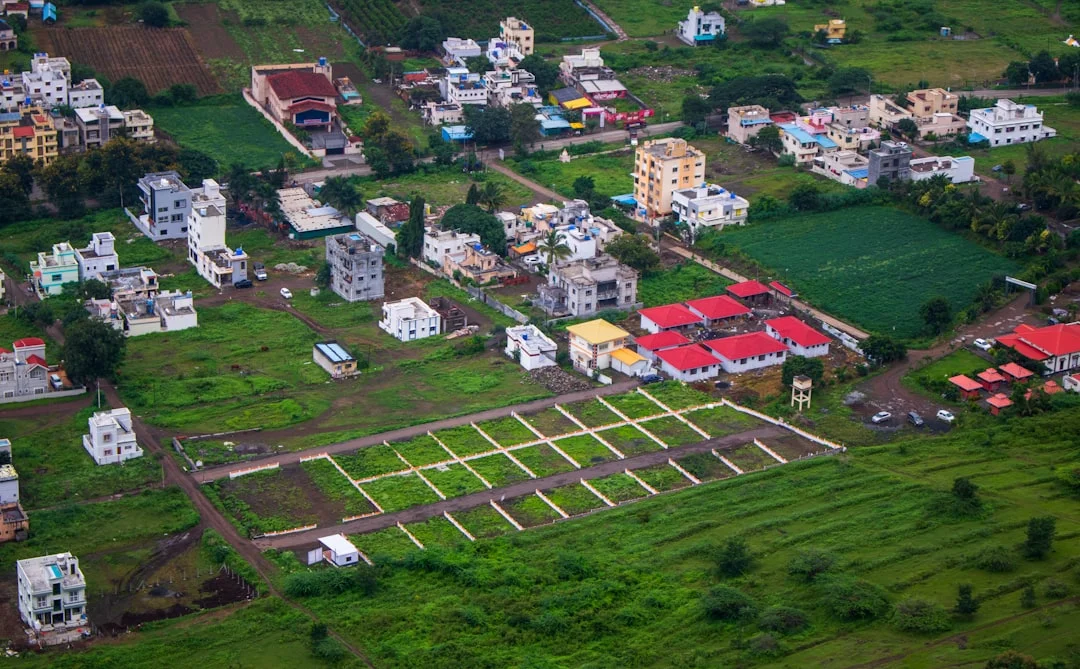
Urban Agriculture in Luxury Hotels 2026: On-Site Farms Rise
Urban agriculture in luxury hotels 2026 examines on-site farms, tech, and market trends shaping sustainable hospitality.
The hospitality industry is quietly reshaping the guest experience through on-site farming. Urban agriculture in luxury hotels 2026 is emerging as a defining trend, where five-star properties integrate hydroponic greens, edible gardens, and regenerative farming into dining, wellness, and guest programming. This evolution isn’t just about fresh produce; it signals a broader shift toward transparent sourcing, local resilience, and data-driven sustainability. The industry’s latest moves show luxury brands weaving agricultural ecosystems into the guest journey, from restaurant menus to wellness rituals and experiential programming. In early 2026, verified deployments illustrate what’s possible when hotels treat food cultivation as a core capability rather than a peripheral amenity. For travelers, investors, and operators, the implication is clear: urban agriculture in luxury hotels 2026 isn't merely a trend—it’s becoming a strategic differentiator that touches supply chains, carbon footprints, and guest loyalty. (hotelandcatering.com)
Across multiple markets, credible signals underscore the momentum. In Dubai, Canopy by Hilton Dubai Al Seef announced the Skafos Hydroponic Farm as a new on-site farming hub for its waterfront dining concept Skafos, launched January 14, 2026. The facility currently yields about nine kilograms of fresh greens and herbs daily, cultivating 28 plant varieties, all grown with a soil-free, nutrient-rich-water system designed for year-round production. Hilton frames the initiative as a concrete step toward reducing environmental impact while delivering ultra-fresh, locally sourced ingredients to guests. The facility’s integration with Skafos’ menu exemplifies a direct, real-world application of urban farming within a luxury hotel setting. (hotelandcatering.com)
Meanwhile, Six Senses Ibiza continues to showcase its farm-first philosophy through The Farm, a purpose-built, on-site garden that serves as both a dining source and a regenerative education platform. The Farm sits within a property that has long embraced locality and seasonality, with menus that pull from garden harvests, olive groves, and adjacent orchards. This model—where farm-to-table is not an afterthought but a central narrative—demonstrates how luxury brands can normalize agricultural outputs as a daily guest experience. While the farm’s roots predate 2026, the ongoing emphasis on edible landscapes underscores a durable commitment to on-site cultivation as a core hospitality feature. (sixsenses.com)
In Asia and Europe, notable luxury hotels have expanded or formalized on-site farming infrastructure in recent years, and 2026 appearances reflect continued investment. The Leela Ambience Gurugram Hotel & Residences, part of India’s top-tier luxury portfolio, has publicly framed its on-site green infrastructure as a keystone of sustainable dining. The hotel launched The Green House, a hydroponic glass greenhouse, in 2025 as the centerpiece of its environmental program, with The Leela Farm—an onsite 3.5-acre organic farm—providing seasonal produce for its restaurant portfolio. By 2026, Forest View Deck, another sustainability-forward dining concept, connects guests with on-site agricultural production through a hydroponic glasshouse that supplies ingredients for the deck’s menu. The company emphasizes farm-to-fork transparency and responsible procurement as part of its luxury urban sanctuary narrative. (theleela.com)
In parallel, industry observers and sustainability-focused hotel programs signal a broader trajectory: on-site agriculture is migrating from boutique experiments to a scalable feature in luxury itineraries. The Four Seasons ecosystem, for instance, has highlighted regenerative and nature-led experiences, with Naviva, A Four Seasons Resort, emphasising nature-led weekends and biodiversity—elements that dovetail with on-site farming when combined with local ecological practices. While Naviva’s framing centers on regenerative luxury, its emphasis on biodiversity and nature-aligned experiences corroborates a market-wide tilt toward integrating living landscapes into premium hospitality. As these programs mature, expect more luxury brands to explore co-located or greenhouse-based farming as a way to strengthen brand narratives around sustainability, local partnerships, and culinary distinctiveness. (press.fourseasons.com)
Opening paragraphs recap: urban agriculture in luxury hotels 2026 is not a single project but a family of initiatives that leverage controlled environments, local food sourcing, and guest-facing farming experiences to reframe what a hotel can offer beyond rooms and spas. The trend aligns with broader sustainability imperatives, including reduced food miles, waste minimization, and the use of circular water and nutrient cycles where possible. It also aligns with changing guest expectations—travelers increasingly value provenance, transparency, and the story behind the plate. As the data accumulates from a growing set of properties, the case for on-site farming as a strategic capability becomes clearer: it can strengthen supply resilience, elevate menu quality, and deepen guest engagement in ways that general sustainability programs alone cannot. (hotelandcatering.com)
Section 1: What Happened
Dubai’s Canopy Al Seef Launches Skafos Hydroponic Farm
Dubai’s Canopy by Hilton Dubai Al Seef introduced the Skafos Hydroponic Farm as a flagship on-site farming operation for its signature restaurant Skafos. The formal launch occurred with a January 14, 2026 press window, and Hilton’s materials describe the facility as an on-site urban farm designed to elevate sustainability and dining on the waterfront. Early production outputs are concrete: about nine kilograms of greens and herbs are harvested daily, with 28 plant varieties in current rotation, ranging from lettuce and mint to thyme, basil, and microgreens. This combination of controlled-environment agriculture and direct restaurant integration illustrates a practical blueprint for luxury hotels seeking to blend culinary excellence with closed-loop agricultural systems. The project is framed as part of Hilton’s broader strategy to reduce environmental impact while delivering maximum freshness to guests. (hotelandcatering.com)
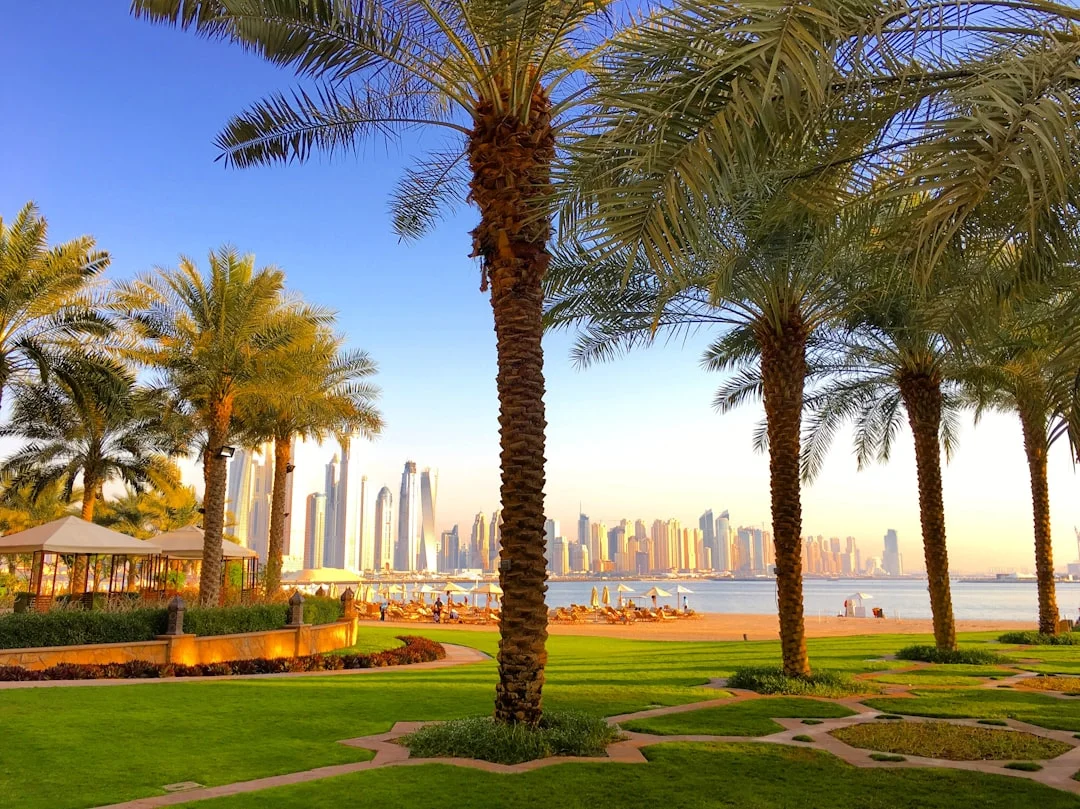
Photo by Vangelis Kovu on Unsplash
Within Skafos’ kitchen, the impact is immediate: guests see farm-to-table workflows in action, menus highlight herbs grown just steps away, and the restaurant’s sourcing narrative becomes a tangible guest experience rather than a marketing claim. The farm’s existence also provides a template for other luxury hotels: a dedicated farming hub, a named restaurant partner, and a visible commitment to local produce with a measurable yield target. As this model scales, it could become a standard feature in high-end urban hotels seeking to reinforce a sustainable and transparent culinary program. (hotelandcatering.com)
Six Senses Ibiza and The Farm: A Living Classroom for Regenerative Dining
Six Senses Ibiza has long integrated farming into its guest experience, with The Farm standing as a core example of on-site cultivation feeding the resort’s menus. The Farm isn’t a one-off installation; it is a living classroom that ties together regenerative living, island agriculture, and guest participation in culinary experiences. The concept emphasizes the seasonal availability of ingredients, the rhythms of island farming, and the role of guests in understanding where food comes from. While The Farm’s roots extend before 2026, the ongoing operational emphasis in 2026 reinforces the broader trend of hotels leveraging edible landscapes to deliver both culinary distinction and sustainability storytelling. The farm’s placement within a luxury resort setting demonstrates how guests respond to food provenance when it’s integrated into the resort’s daily life rather than treated as a separate, optional activity. (sixsenses.com)
The Leela Ambience Gurugram: Green House, The Leela Farm, and Forest View Deck
In Gurugram, India, The Leela Ambience Gurugram Hotel & Residences has become a notable example of how luxury properties are weaving hydroponics and farm-adjacent operations into the guest experience. In April 2025, The Leela Ambience Gurugram unveiled The Green House, a hydroponic glasshouse garden that anchors its sustainability program and supports farm-to-fork transparency in the hotel’s dining concepts. By 2026, Forest View Deck emerged as a centerpiece for sustainable dining, combining a landscaped, nature-forward setting with a hydroponic glasshouse that produces fresh greens and herbs; the Forest View Deck’s menu leans on ingredients sourced from The Leela Farm, a 3.5-acre organic farm located in the Gurugram district. The Leela’s materials emphasize that the farm’s produce—vegetables, fruits, and select dairy products—are grown without chemical inputs, reinforcing a strong message about clean-label hospitality and responsible sourcing. This multi-pronged approach—from greenhouse to farm to deck—illustrates how luxury properties can operationalize urban agriculture across multiple touchpoints in the guest journey. (theleela.com)
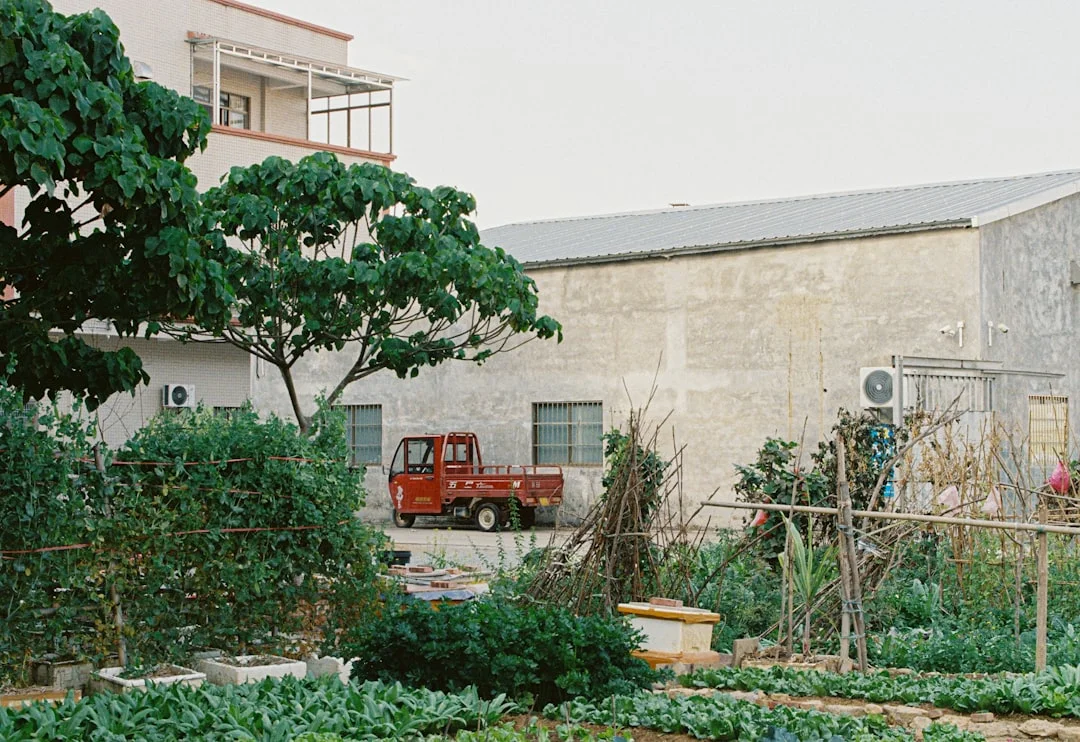
Photo by Alan Cheung on Unsplash
Corporate communications and third-party coverage in early 2026 continue to reflect this approach as a growing wave rather than an isolated outlier. For example, The Leela’s public-facing materials describe Farm-to-Fork dining experiences anchored in The Leela Farm and The Green House, with Forest View Deck representing a further evolution of the concept. Hospitality press coverage from India’s Hospitality Times and Economic Times corroborates the farm-to-fork emphasis, noting that Forest View Deck draws ingredients from The Leela Farm and hydroponics, reinforcing the hotel’s commitment to transparent, local sourcing. This combination of on-site farming infrastructure and guest-facing dining is emblematic of urban agriculture in luxury hotels 2026, signaling a widening adoption across high-end markets. (hospitality.economictimes.indiatimes.com)
Global Luxury Brands and On-Site Growing Initiatives
Beyond these specific properties, a broader wave of on-site farming themes has gained traction among luxury brands globally. Four Seasons’ Naviva, A Four Seasons Resort, highlights regenerative weekends and nature-led experiences that align with the farm-to-table and biodiversity narratives. While not every program centers on in-building farms, the emphasis on ecological literacy and guest exposure to natural processes complements on-site farming efforts by reinforcing the value proposition of food provenance and sustainable design. This convergence of luxury hospitality with nature-led experiences helps to explain why urban agriculture in luxury hotels 2026 is resonating with guests who seek authenticity, healthy dining ecosystems, and transparent sustainability claims. (press.fourseasons.com)
Section 2: Why It Matters
Guest Experience and Brand Differentiation
Photo by Abhinav Sharma on Unsplash
Urban agriculture in luxury hotels 2026 matters most for what guests experience at the table and beyond. When menus reference herbs and greens harvested moments earlier from a hotel’s own hydroponic system, guests encounter a distinctive narrative—one that positions the property as a steward of local food ecosystems rather than a mere conveyer of meals. The Dubai Skafos program epitomizes this shift: guests order and savor greens that were harvested on-site, while the restaurant can communicate the precise procurement story, including variety counts, harvest cycles, and the environmental controls behind each crop. This kind of storytelling deepens guest engagement and supports premium pricing through perceived value—especially for travelers who prioritize sustainability and local sourcing in their dining choices. The operational model also provides a valuable marketing hook for loyalty programs, media outreach, and partnerships with local producers. (hotelandcatering.com)
Sustainability, Resilience, and Resource Management
On-site farming in luxury hotels contributes to broader ESG (environmental, social, governance) objectives. Hydroponic and greenhouse systems can reduce water use relative to traditional field farming, enable year-round production, and shrink dependence on distant supply chains—an explicit advantage for hotels aiming to minimize disruptions and maintain menu consistency across seasons. The Leela Ambience Gurugram example demonstrates a comprehensive approach: a hydroponic greenhouse (The Green House) paired with a 3.5-acre organic farm (The Leela Farm) and a dedicated Forest View Deck dining concept that leverages these inputs. This integrated model highlights how luxury properties translate sustainability into a tangible, scalable guest experience while building a more resilient culinary supply chain. While the precise water-use metrics for all properties aren’t uniformly disclosed in public materials, the emphasis on soil-free cultivation and local sourcing is a clear signal of resource-conscious design in 2026 luxury hospitality. (theleela.com)
Market Positioning and Competitive Dynamics
From a market perspective, on-site urban agriculture offers a way for luxury hotels to differentiate in crowded urban and resort markets. It enables properties to claim a higher degree of authenticity—the ability to point to a real, controllable production system that directly informs guest experiences. Brands like Canopy by Hilton and Six Senses Ibiza illustrate how the farming narrative can be embedded into brand positioning: by naming and highlighting a dedicated farming operation (Skafos Hydroponic Farm) or by framing dining as a living classroom tied to local agricultural practices (The Farm at Six Senses Ibiza). In 2026, this kind of storytelling is increasingly tied to measurable, tangible outputs (e.g., yields, plant varieties) that can be audited and shared with guests, media, and sustainability-rating bodies. This trend is unlikely to be isolated to a few flagship properties; it’s more likely to become a standard expected by discerning luxury travelers who demand both premium experiences and responsible operations. (hotelandcatering.com)
Economic Considerations and Investment Dynamics
Investing in on-site farming infrastructure represents both a capital requirement and an operating model shift. Hydroponic systems, climate-control equipment, LED lighting, and water recapture capabilities can entail upfront costs. Yet, property managers and food-and-beverage leaders point to long-run benefits: reduced procurement costs for high-value greens, more consistent harvests independent of weather, and incremental revenue from farm-to-table dining experiences and guest programming. The Dubai Canopy example underscores this trade-off: a visible, deliverable farm with clear yield outputs that can be used to justify the capital outlay and ongoing operating costs. For investors, the key questions in 2026 revolve around scalability, maintenance, energy efficiency, and the ability to partner with agritech vendors for data-driven crop management. The industry’s early signals—paired with 2026 press coverage and hotel-imposed sustainability targets—suggest a favorable risk-reward dynamic for sites that can demonstrate reliable yields and guest demand. (hotelandcatering.com)
Operational and Guest-Experience Risks
Despite the upside, on-site farming introduces risks that luxury operators must manage. Energy consumption, system maintenance, and crop yield variability can affect the guest experience if produce availability becomes inconsistent or if menu pricing must be adjusted to cover higher production costs. The Leela Gurugram efforts illustrate a high-commitment model that assumes ongoing investment in greenhouses, farming staff, and integrated supply chains; this requires disciplined operational discipline and continuous innovation to keep yields predictable and menus aligned with seasonal cycles. Transparent communication about on-site farming programs is essential to avoid guest disappointment and to maintain the credibility of sustainability claims. As with any new capability, the 2026 data will be crucial in assessing true return on investment and guest acceptance levels. (theleela.com)
Section 3: What’s Next
Near-Term Developments and Timelines
Looking ahead, the near-term trajectory for urban agriculture in luxury hotels 2026 suggests broader adoption across diverse markets, aided by the continued democratization of hydroponic and controlled-environment agriculture technologies. Expect more luxury brands to pilot or expand on-site farming modules, with a focus on:
Scale-up in urban cores: Hotels located in dense city centers may adopt compact, high-efficiency hydroponic systems and greenhouse annexes to supply premium dining programs and hotel gardens.
Menu integration and guest programming: More restaurants will link menus to farm data, offering guests enhanced insight into ingredient provenance and seasonal variations through guided tastings and education experiences.
Partnerships with agritech providers: Hubs for sensors, data analytics, climate control, and automation will help hotels optimize crop yields, reduce energy consumption, and shorten time from planting to plate.
Regulatory and certification alignment: As on-site farming grows, hotels may seek sustainability certifications and verifications that validate water use, nutrient management, and food-safety practices within controlled environments.
Cross-brand learning: Hospitality groups with multiple properties will share best practices for scaling urban agriculture across markets, balancing capital expenditures with guest demand and culinary innovation. (hotelandcatering.com)
Timeline: Observations for 2026 and Beyond
Early 2026: On-site farms become a visible feature in a growing subset of luxury hotels, with Dubai’s Skafos Hydroponic Farm illustrating a high-profile example of restaurant-level integration and yield reporting. (hotelandcatering.com)
2025–2026: Leela Ambience Gurugram’s The Green House and The Leela Farm consolidate as a multi-touchpoint sustainability model, with Forest View Deck expanding the farm-to-dish experience and hydroponic capabilities. These developments provide a roadmap for other urban luxury hotels seeking to combine culinary excellence with transparent sourcing. (theleela.com)
2026 and ongoing: Six Senses Ibiza reinforces The Farm as a core experience, demonstrating a mature iteration of on-site farming in a luxury resort context, with guest interactions and farm-driven menus embedded in the guest journey. (sixsenses.com)
Market-wide indicators: Industry coverage and sustainability programs across luxury brands hint at continued expansion, with hospitality groups exploring scalable, energy-conscious, on-site farming solutions as part of broader sustainability commitments. (press.fourseasons.com)
What to Watch For
New hotel openings featuring built-in farming ecosystems, including rooftop or greenhouse components designed to service in-house dining and wellness programs.
Enhanced storytelling and reporting around farm yields, crop varieties, and harvest cycles, enabling guests to trace provenance in real time and allowing operators to quantify the environmental and culinary benefits.
Partnerships with tech providers that enable precise crop management, energy optimization, water reuse, and waste reduction, making on-site farming not only a marketing differentiator but a measurable contributor to ESG outcomes.
Policy and standards developments that recognize and reward hotel-led farming initiatives within city-sustainability frameworks, potentially unlocking incentives or recognition for hotels that demonstrate verifiable impact.
Closing
Urban agriculture in luxury hotels 2026 reflects a broader shift toward integrating living systems into luxury hospitality. From Dubai’s Skafos Hydroponic Farm to The Leela Ambience Gurugram’s hydroponic Green House and farm-to-fork programs, luxury brands are moving beyond sustainability as a stand-alone program to embed farming as a core operational and experiential capability. For guests, this means more tangible storytelling about where ingredients come from and how they’re grown; for operators, it offers a lever to manage supply chain resilience, menu quality, and brand differentiation in a competitive landscape. As technology, data, and culinary ambition converge, the next few years will reveal how scalable and economically viable on-site farming can be across global luxury markets. The hotels that succeed will be those that blend meticulous agricultural science with transparent communication, hospitality warmth with environmental rigor, and memorable dining with measurable impact. The trend is clear: urban agriculture in luxury hotels 2026 is not a niche tactic but a foundational element of modern luxury hospitality. (hotelandcatering.com)
Author
Aria Nakamura
2026/06/21
Aria Nakamura is a travel journalist with Japanese and American roots, specializing in luxury hospitality reviews. She has spent over a decade exploring boutique hotels across Asia and Europe, capturing the nuances of each locale.