Nordic Luxury Hospitality 2026: Openings and Tech Trends
Explore a neutral, data-driven update on Nordic luxury hospitality 2026, featuring new openings, innovative technology trends, and market signals.
The Nordic luxury hospitality 2026 landscape is taking shape with a wave of new openings and technology-forward initiatives across Scandinavia and nearby Nordic markets. In early 2026, leading operators announced a slate of openings and design-driven concepts designed to elevate guest experience while balancing operating efficiency in a region known for demanding travelers and high service standards. The first quarter alone highlighted marquee openings and brand moves that illustrate how Nordic luxury hospitality 2026 is evolving at speed, anchored by a twin focus on guest delight and digital modernization. For travelers and investors alike, the pattern is clear: Nordic hospitality is leaning into bold, design-led experiences complemented by robust tech platforms and data-driven operations. Locke Copenhagen’s March 2, 2026 launch is a case in point, signaling a renewed appetite for contemporary Nordic hospitality with 234 rooms and a distinctly modern, locally attuned identity. (lockeliving.com)
Beyond Copenhagen, a broader Nordic program of openings is reshaping regional dynamics. Nordic Hotels & Resorts is expanding with KG Hotel on the Faroe Islands, a spring 2026 project designed as a remote design outpost in Klaksvík, expected to open in May 2026. The project embodies a Nordic luxury hospitality 2026 trend toward ultra-localized experiences that blend rugged landscapes with hospitality craft. (nordichotels.com) In Finland’s Lapland, Arcora Boutique Hotel & Villas is slated to open in 2026, blending luxury accommodations with a pristine Arctic environment, while Norway’s Lilløy Lindenberg near Bergen entered the market in early 2026 as a compact, sustainability-forward retreat with a tech-minimal guest experience emphasizing presence over screens. (nordicmarketing.de)
Market signals from established real estate and advisory firms reinforce the momentum. CBRE’s Nordics Hotel Market Snapshot for January 2026 highlights resilient demand, ongoing supply growth in select markets, and a shifting mix of luxury versus midscale assets that underscores why Nordic luxury hospitality 2026 remains a focal point for both operators and lenders. The report helps frame how new openings—especially those with a tech-forward tilt—will influence occupancy, rate growth, and cap rates over the next 12–24 months. (cbre.se) The ongoing conversation about digital transformation in hospitality further crystallizes in industry briefs and conference programs across the region, with AI and cloud-based systems identified as key levers for cost control and guest personalization in 2026. (mews.com)
Opening islands of Nordic luxury hospitality 2026 are not just about rooms and lobbies; they reflect a broader alignment with technology-enabled guest services, sustainability programs, and design-driven storytelling. Locke Copenhagen, for example, integrates contemporary Nordic design with a hospitality model that leverages data-driven guest insights to optimize service flows and operational efficiency. The brand’s March 2026 opening is complemented by a Nordic simplicity ethos and a framing narrative that resonates with travelers seeking authenticity and comfort in equal measure. (lockeliving.com)
Section 1: What Happened
Nordic openings set the pace for 2026
- Opening dates and key assets

- Locke Copenhagen opened on March 2, 2026, featuring 234 rooms and suites designed to balance modern Nordic aesthetics with a warm, home-like atmosphere. The press materials describe a design language rooted in nature and contemporary simplicity, reinforcing the Nordic luxury hospitality 2026 concept through guest-centric spaces and thoughtfully curated public areas. This launch illustrates how new city-center properties in Europe’s Nordic sphere are combining brand identity with locale-specific storytelling. (lockeliving.com)
- KG Hotel, a remote design outpost on the Faroe Islands, is scheduled to open in May 2026 in Klaksvík. The project broadens Nordic Hotels & Resorts’ footprint into ultra-remote contexts, signaling a broader trend toward year-round accessibility of once-traditional off-season destinations. The May 2026 opening aligns with a strategy to diversify a luxury portfolio by adding destination-driven experiences that capitalize on distinctive landscapes and cultural authenticity. (nordichotels.com)
- Arcora Boutique Hotel & Villas is planned to open in 2026 in Finnish Lapland, placing a luxury outpost in a region known for its stark Nordic beauty and unique seasonal commerce. Arcora’s concept is described as a refined, nature-forward retreat designed to attract a global luxury audience seeking Arctic immersion paired with modern comforts. Timing details remain subject to construction progress, but the project is positioned as a cornerstone of Finland’s luxury-lodging evolution within the Nordic luxury hospitality 2026 landscape. (nordicmarketing.de)
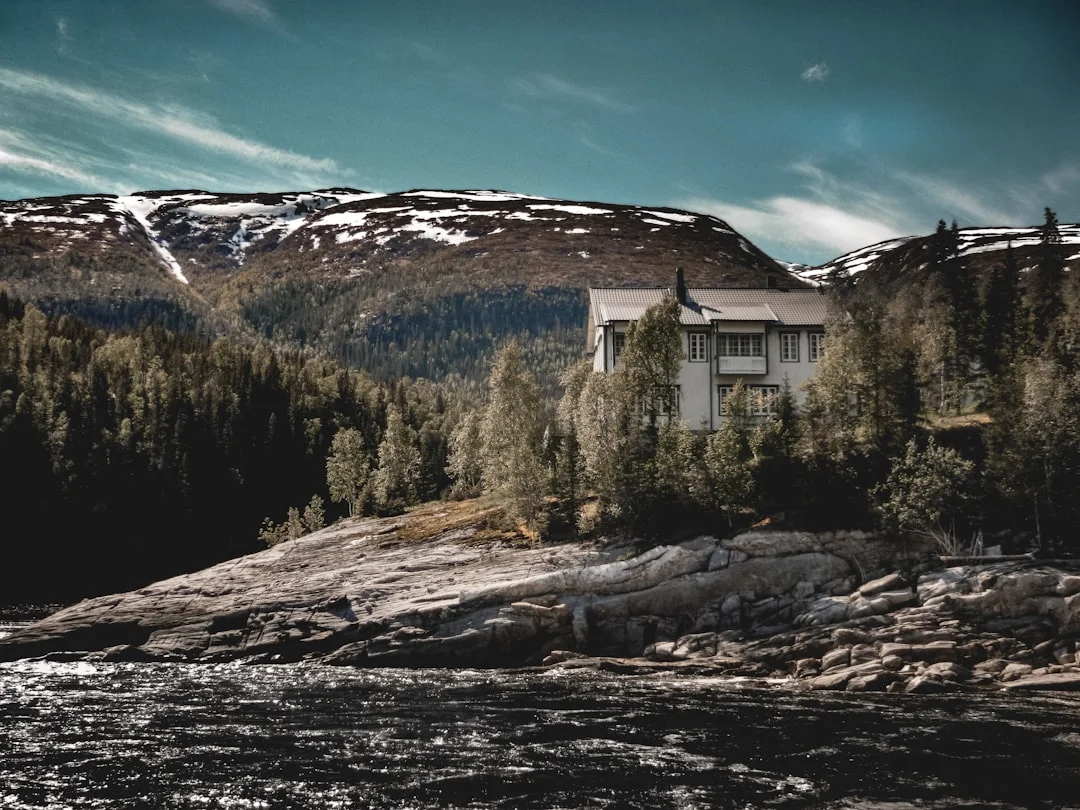
- Lilløy Lindenberg, a boutique escape on a private island near Bergen, Norway, began welcoming guests in January 2026. The property emphasizes a tactile, tech-minimal guest experience while delivering Nordic-influenced interiors and a strong sustainability narrative. The launch highlights a segment of the Nordic luxury hospitality 2026 cohort that prioritizes low-tech sanctuaries as a counterpoint to pervasive digitalization in other segments. (wallpaper.com)
- Brand movements and design philosophy
- Locke’s Copenhagen opening demonstrates how the Nordic luxury hospitality 2026 wave is encouraging brands to communicate a clean, modern aesthetic with warmth and a sense of place. The brand positions itself as a bridge between urban cosmopolitanism and Nordic hygge, using design to support guest comfort while enabling efficient service workflows—an early proof point in how 2026’s openings are balancing experience with operations. (lockeliving.com)
Tech-forward guest experiences and platform strategies
- Industry-facing tech narratives shaping openings
- The hospitality sector’s 2026 outlook strongly emphasizes digital platforms that unify reservations, check-in, housekeeping, and payments. Industry programs and vendor briefs around AI and cloud-based hospitality platforms are becoming standard talking points for new Nordic luxury properties, with operators testing pilot programs and expanding rollouts as efficiencies compound with guest personalization. (internorga.com)
- In parallel, analysts and technology providers insist that AI-enabled guest interactions and back-office automation will reach a tipping point in 2026, influencing how new hotels in the Nordic region staff, price, and service levels. The AI-focused outlook from Mews and supporting research from BC G (Executive Perspectives on AI disruption in hospitality) frame 2026 as a year of decisive investment in intelligent systems that will shape guest expectations, labor models, and cost structures. (mews.com)
- Regional tech ecosystems and implementation pathways
- The Internorga 2026 program and associated digitalisation briefs highlight how cloud-based hospitality platforms are being deployed across Europe, including the Nordics, to streamline reservations, guest communications, and integrated payments. The emphasis on AI-area demonstrations and practical, scalable solutions underscores a regional momentum toward technology-led efficiency and enhanced guest experiences in Nordic luxury hospitality 2026. (internorga.com)
- For operators, this convergence of openings with tech investments translates into a multi-year runway for upgrading legacy systems, migrating to cloud-based stacks, and coordinating front- and back-end workflows across properties that may span urban centers and remote destinations in the Nordic arena. The result is a more agile, data-driven approach to pricing, occupancy management, and guest-service automation. (internorga.com)
Section 2: Why It Matters
Market signals and investment patterns
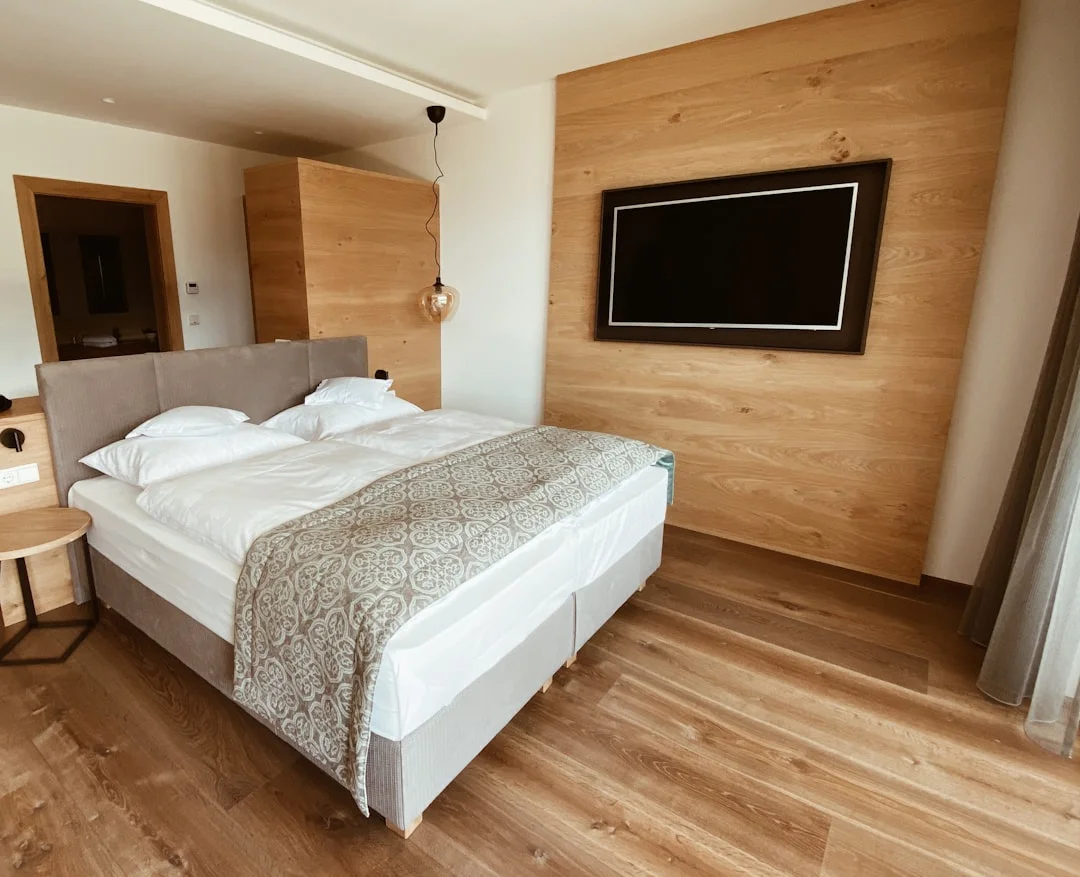
Photo by reisetopia on Unsplash
- Demand resilience and premiumization
- The Nordics continue to show resilient demand for luxury experiences, even as supply grows in select markets. CBRE’s January 2026 Nordics Hotel Market Snapshot depicts a market in which luxury offerings remain attractive to international travelers while domestic tourism helps stabilize year-round performance. The data point to continued premium pricing power in top Nordic destinations, even as new luxury properties enter the market. These conditions help explain why Nordic luxury hospitality 2026 is attracting renewed attention from developers, asset managers, and brand groups seeking to capitalize on brand prestige, location, and service differentiation. (cbre.se)
- Capital depth and financing considerations
- The combination of strong occupancy in core Nordic hubs and a wave of curated, design-forward openings supports a favorable financing environment for premium hotel development. As the market absorbs new rooms, operators are increasingly using data-driven forecasts and performance metrics to justify capex and project-level assumptions, particularly in destinations where travel demand remains highly elastic to product quality and experiential curation. (cbre.se)
Labor costs, automation, and the AI horizon
- Labor costs and automation economics
- Across Sweden, Norway, and Denmark, labor costs remain among the highest in Europe, driving the business case for automation and AI-enabled guest-service options. Nordic operators are evaluating automation not only as a cost-control measure but also as a way to enhance consistency of service and speed of response in peak periods. The Nordic context makes automation a compelling strategic lever in 2026 and beyond. (restaurangai.se)
- The AI tipping point and hotel transformation
- Leading hospitality tech providers have framed 2026 as a make-or-break year for AI-driven transformation. Projections indicate that guest discovery and booking could increasingly be driven by AI conversations, with back-office automation expanding to a majority of routine tasks in the near future. While these forecasts are ambitious, they reflect a concerted industry push toward scalable technology platforms that can power premium guest experiences at Nordic luxury properties. (mews.com)
- Practical implementations in Nordic markets
- The Internorga overview points to cloud-based platforms that unify reservations, guest messaging, housekeeping, and payments, a blueprint many Nordic operators are adopting to support multi-property operations and to consolidate guest data for personalized service. Real-world deployments in Nordic hotels are likely to emphasize modularity, integration with local payment methods, and compliance with regional privacy standards as part of a broader digital transformation agenda. (internorga.com)
Sustainability and guest experience as differentiators
- A Nordic sustainability ethos translates into luxury
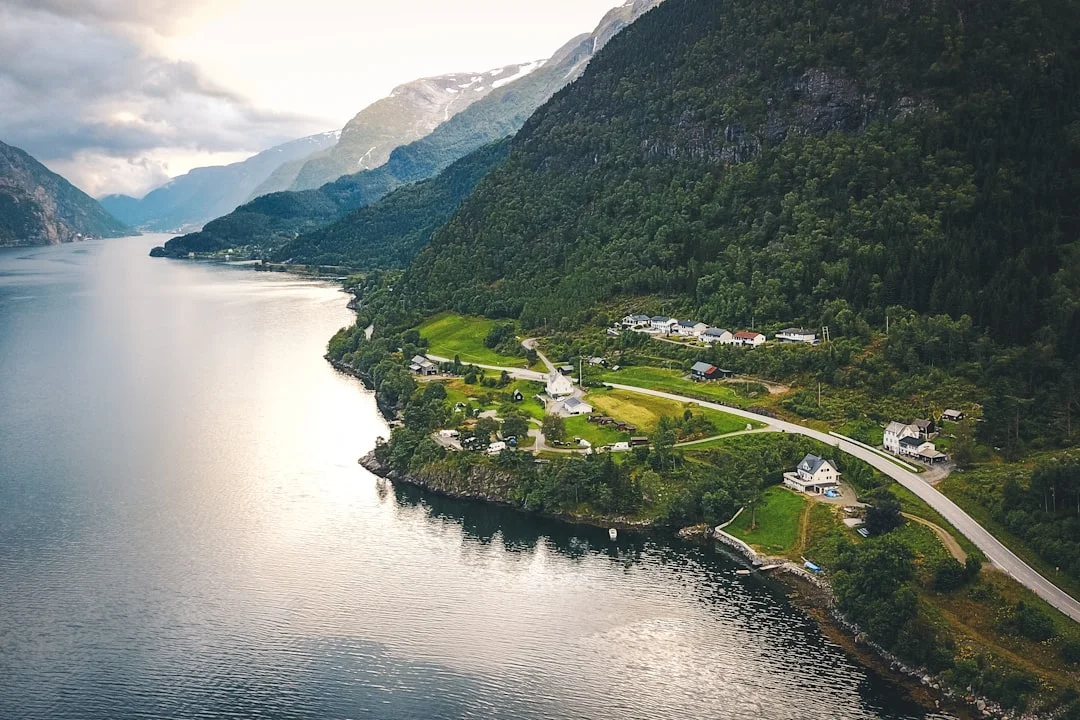
Photo by Raimond Klavins on Unsplash
- The Nordic luxury hospitality 2026 wave is characterized by a sustainability-forward stance, with several openings and revamps positioning environmental stewardship as part of the brand promise. The Lilløy Lindenberg project, with its emphasis on sustainability and a low-impact guest experience, illustrates how luxury properties in the Nordics are integrating eco-conscious practices with high-end service. This trend aligns with traveler expectations for responsible luxury and helps justify premium pricing in an increasingly competitive market. (wallpaper.com)
- Design-led storytelling with local authenticity
- Nordic design remains a strong differentiator in 2026, influencing guest perceptions of value and quality. Locke Copenhagen’s approach shows how contemporary Nordic design can enhance guest comfort while supporting efficient service workflows. The integration of nature-inspired materials, warm lighting, and thoughtful spatial planning contributes to a sense of place that resonates with discerning travelers seeking a refined yet intimate luxury experience. (lockeliving.com)
Culinary and experiential innovations
- The role of food and beverage in Nordic luxury
- High-end hotel openings in 2026 are increasingly pairing lodging with distinctive culinary experiences that emphasize local foraging traditions, seasonal menus, and culinary storytelling. This trend, while not exclusive to the Nordic region, is consistent with the region’s reputation for culinary excellence and sustainability. It also complements technology-driven guest services by enriching the overall experience through memorable, locally rooted offerings. (Context drawn from industry-wide luxury hotel trends and comparable Nordic property announcements.) (cbre.se)
Section 3: What’s Next
Upcoming milestones in 2026 and beyond
- Short-term milestones
- Locke Copenhagen opened on March 2, 2026, with a 234-room configuration and a design-forward program anchored in Nordic simplicity. The opening set a tone for 2026 by demonstrating how a new-build luxury property can fuse modern amenities with a distinctly Nordic sense of place. Observers will watch how the property scales its operating model, guest-segmentation strategies, and tech-enabled service layers in its first 12–18 months. (lockeliving.com)
- KG Hotel on the Faroe Islands aims to debut in May 2026, signaling ambition to expand Nordic luxury into remote locales. The property’s performance in its first season will be a useful litmus test for demand resilience in off-the-beaten-path Nordic markets and for the viability of boutique luxury models in seasonal destinations. (nordichotels.com)
- Medium-term outlook and potential catalysts
- Arcora Boutique Hotel & Villas in Finnish Lapland, with a 2026 opening, is positioned to capitalize on Arctic-season travel and a growing appetite for immersive, luxury outdoor experiences. If Arcora executes on a strong guest experience and climate-conscious operations, it could become a reference point for luxury lodging in extreme environments within the Nordic luxury hospitality 2026 ecosystem. (nordicmarketing.de)
- Lilløy Lindenberg’s early 2026 introduction points to a broader acceptance of smaller-scale, sustainability-first luxury properties in the Nordic market, potentially encouraging more micro-resort concepts that prioritize location, seasonality, and guest wellbeing. The continued emergence of such properties will influence the competitive landscape and guest expectations across the region. (wallpaper.com)
Signals to watch for technology adoption and market momentum
- AI and platform integration
- Expect more Nordic properties to adopt end-to-end hospitality platforms that unify operations, guest communication, and payments. Industry briefs and vendor roadmaps indicate that AI-enabled chat, predictive servicing, and automated housekeeping solutions will become more prevalent as 2026 progresses. Operators may pilot apps and smart-room features that tailor in-room experiences while streamlining staff workflows. (mews.com)
- Labor strategy and talent development
- With high labor costs in the region, Nordic luxury hotels will likely expand partnerships with technology providers and invest in upskilling programs to ensure staff can work effectively with automated systems. CIO Nordic and other regional technology forums are likely to spotlight talent development as a parallel priority to the hardware and software investments underway. (cionordic.se)
- Sustainability as a product differentiator
- Expect additional openings to foreground sustainability metrics in their value proposition, such as energy efficiency, low-emission transportation partnerships, and responsible sourcing. Nordic markets have shown a long-standing emphasis on sustainable luxury, and new openings will be judged on their ability to maintain this standard alongside guest comfort and convenience. (wallpaper.com)
Closing
The Nordic luxury hospitality 2026 momentum is unmistakable: new properties are launching in both urban cores and remote destinations, each framed by contemporary Nordic design and increasingly sophisticated technology platforms. The openings at Locke Copenhagen, KG Hotel on the Faroe Islands, Arcora in Finnish Lapland, and Lilløy Lindenberg near Bergen illustrate a region-wide commitment to luxury experiences that are both authentic and digitally savvy. Market signals from CBRE and industry analyses underscore a favorable environment for continued investment in premium assets, supported by a growing emphasis on AI-driven guest services and cloud-based operating platforms. As the year unfolds, observers will be watching for how these openings translate into occupancy gains, RevPAR growth, and long-term brand value across the Nordic luxury hospitality landscape. For travelers, investors, and operators, Nordic luxury hospitality 2026 promises an evolving blend of design-led experience and technology-enabled efficiency that could redefine what premium hospitality means in the Nordic realm.
To stay updated on Nordic luxury hospitality 2026 developments, keep an eye on opening timelines, integration of AI and cloud platforms, and regional market signals from CBRE and major hospitality technology providers, as these elements will shape the competitive dynamics and guest expectations throughout 2026 and beyond. (cbre.se)
Author
Layla Mbaye
2026/05/12
Layla Mbaye, of French heritage, is a passionate newcomer in the world of travel writing, focusing on hidden gems and off-the-beaten-path experiences. Her fresh perspective brings a vibrant and diverse voice to the travel journalism field.