Michelin Keys vs Forbes Stars vs 50 Best Hotels: Which Rating System Should You Trust?
Three major hotel rating systems compete for your attention. We compare Michelin Keys, Forbes Travel Guide, and World's 50 Best Hotels on methodology, coverage, and reliability.
If you are trying to find the best hotel in the world, you now have at least three major rating systems competing for your attention. Michelin Keys arrived in 2024 and rapidly scaled to cover 8,425 hotels in 40+ countries. Forbes Travel Guide has been rating luxury properties for over six decades. And the World's 50 Best Hotels launched in 2023, bringing the same controversial-but-influential format that transformed the restaurant industry with the World's 50 Best Restaurants list.
Each system uses a fundamentally different methodology, rewards different qualities, and serves a different type of traveler. Understanding these differences is the key to using them effectively.
The Three Systems at a Glance
| Michelin Keys | Forbes Travel Guide | World's 50 Best Hotels | |
|---|---|---|---|
| Rating Scale | 1–3 Keys | 1–5 Stars | Ranked list of 50 |
| Total Hotels Rated | 8,425+ | 2,100+ (336 Five-Star) | 50 |
| Launched | 2024 | 1958 | 2023 |
| Geographic Scope | 40+ countries | 90 countries | Global |
| Methodology | Anonymous inspectors | 900+ service criteria | 600-member voting panel |
| Core Philosophy | Character & uniqueness | Service consistency | Innovation & buzz |
Michelin Keys: The Character-First Approach
Michelin evaluates hotels on five criteria: the quality of architecture and interior design, the quality and consistency of service, the overall personality and character of the property, how well the hotel reflects its location, and the value the hotel offers relative to its price point.

This framework explains some of Michelin's more distinctive selections. Properties like Giraffe Manor in Nairobi ($333/night), Asaba in Izu, Japan ($316/night), and Corte della Maesta in rural Italy ($331/night) earn Three Keys not because they have the most polished service or the flashiest interiors but because they offer irreplaceable experiences deeply tied to their locations. A 350-year-old ryokan in Japan and a giraffe-feeding boutique in Kenya share a Three-Key rating because both deliver something that cannot be replicated anywhere else.
The system's scale is its biggest advantage. With 141 Three-Key hotels, 569 Two-Key hotels, and 1,725 One-Key hotels, Michelin provides a structured hierarchy across a massive range of properties and price points. You can find a Three-Key hotel for as little as $300 per night.
Best for: Travelers who value uniqueness, sense of place, and want guidance across a wide range of destinations and budgets.
Forbes Travel Guide: The Service Standard
Forbes takes a radically different approach. Its inspectors evaluate properties against more than 900 objective service standards, covering everything from how quickly the phone is answered to whether the bathroom amenities are properly arranged. Five-Star hotels must demonstrate near-flawless consistency in every guest interaction.
This methodology rewards operational excellence above all else. A Forbes Five-Star hotel guarantees that the check-in process will be seamless, that your room will be immaculate, that staff will anticipate your needs before you articulate them, and that every physical detail — from thread count to water pressure — will meet exacting standards.
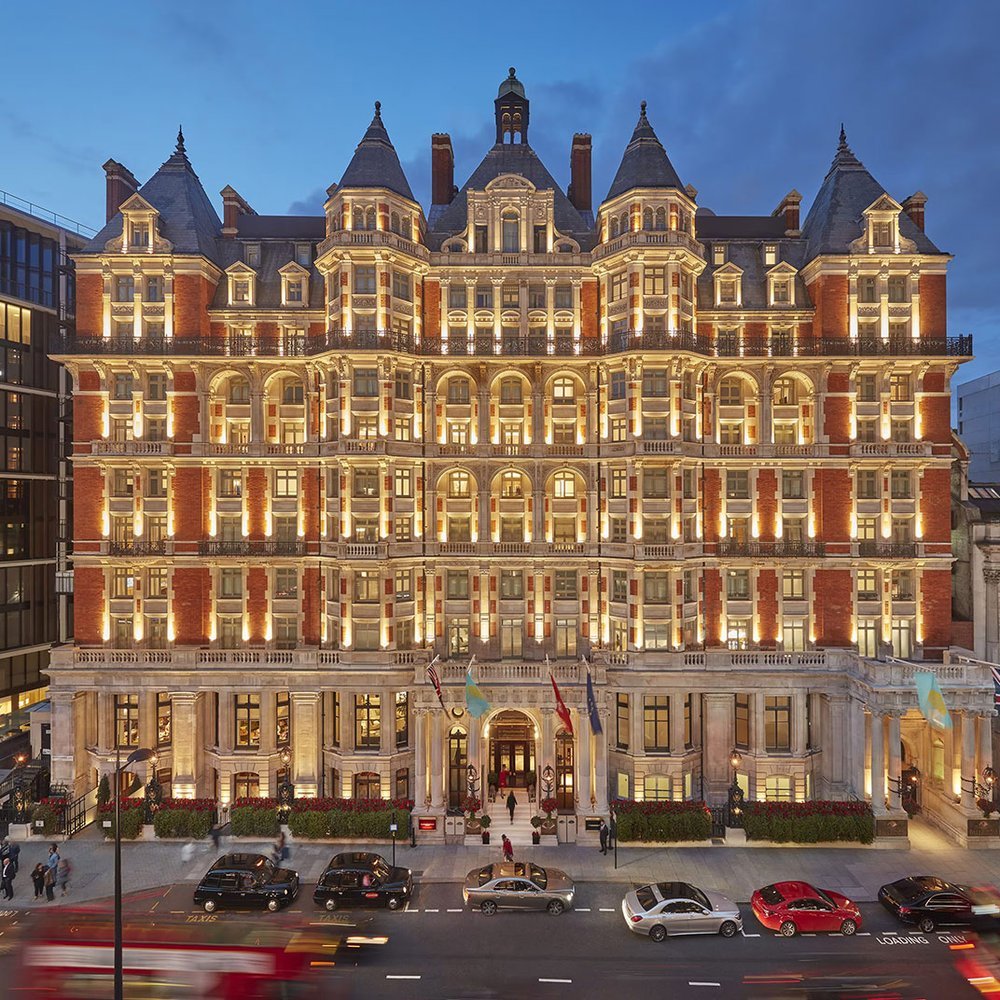
In 2025, Forbes recognized 336 Five-Star hotels worldwide across 90 countries, evaluated from a pool of more than 2,100 rated properties. Four Seasons led the brand count with the most Five-Star properties of any hotel group.
The result is a list that skews heavily toward large, internationally branded properties that can train staff to meet standardized benchmarks. You will find many Four Seasons, Mandarin Oriental, and Ritz-Carlton properties earning Forbes Five Stars. Independent boutiques and wilderness lodges — no matter how extraordinary the experience — tend to score lower because they may not tick every one of the 900+ service checkboxes.
Best for: Travelers who prioritize flawless service execution and consistency, particularly at large urban luxury hotels.
World's 50 Best Hotels: The Tastemaker Vote
The newest entry in the field borrows its format from the World's 50 Best Restaurants, which has shaped fine dining culture since 2002. A panel of roughly 600 anonymous voters — including travel writers, hoteliers, and luxury travel advisors — cast ballots for their favorite hotels. The result is a ranked list of exactly 50 properties, announced annually at a ceremony in London.
The 2024 winner was Capella Bangkok. In 2025, Rosewood Hong Kong took the top spot, with Passalacqua placing fourth after winning the inaugural award in 2023. The list tends to spotlight newer, design-forward properties and rewards hotels that generate conversation in the travel media.
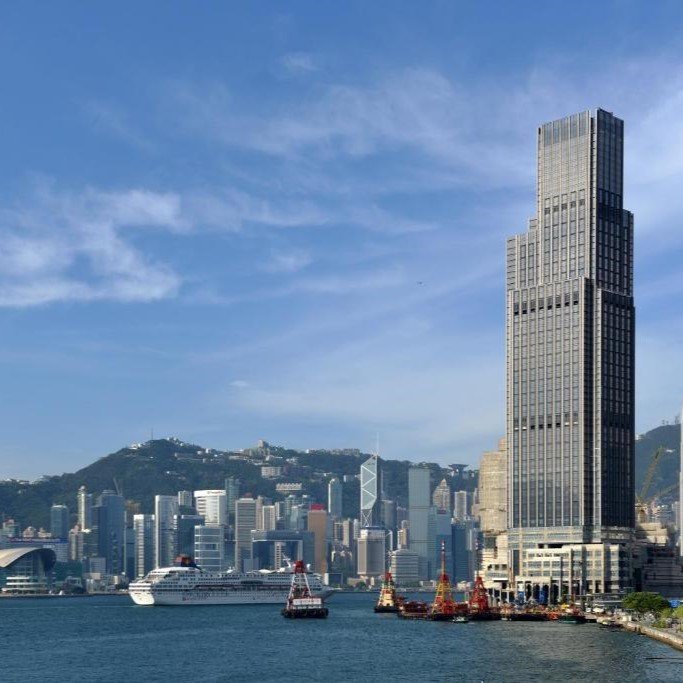
Because the list is limited to 50, it creates a winner-take-all dynamic. Being ranked 25th generates vastly more attention than being 51st (which means not appearing at all). This leads to an inherent bias toward novelty — recently opened properties and hotels that actively court travel media tend to perform well, while longstanding legends that have been excellent for decades may be overlooked because they are no longer "new."
Best for: Travelers who want the most buzzworthy, design-forward properties and enjoy being part of the conversation about "the best."
Where the Three Systems Agree
When a hotel appears on all three lists, pay attention. These properties have passed fundamentally different tests of quality and are as close to a consensus "best" as the industry can produce.
Notable properties with multi-system recognition include:
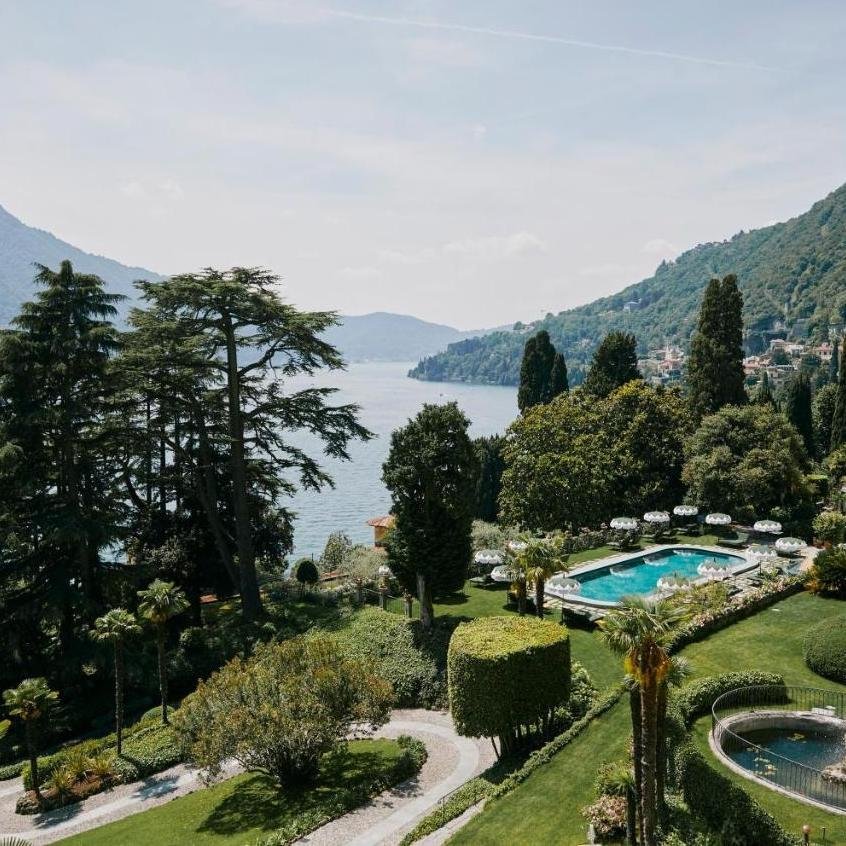
- Passalacqua (Moltrasio, Italy) — Michelin Three Keys, World's 50 Best #1 (2023) and #4 (2025), Forbes Five-Star. A 24-room lakefront villa that set the standard for boutique hospitality.
- Cheval Blanc Paris (Paris, France) — Michelin Three Keys, World's 50 Best, Forbes Five-Star. LVMH's Parisian flagship, blending haute couture aesthetics with exceptional service.
- Rosewood Hong Kong (Kowloon) — Michelin Three Keys, World's 50 Best #1 (2025), Forbes Five-Star. A cultural bridge between East and West in Victoria Harbour.
- Mandarin Oriental Bangkok (Bangkok, Thailand) — Michelin Three Keys, Forbes Five-Star, perennial best-in-Asia contender. Over 140 years of continuous operation.
- Claridge's (London, United Kingdom) — Michelin Three Keys, Forbes Five-Star. London's art deco icon, a benchmark for British hospitality since 1856.
Where They Disagree
The more interesting cases are the hotels that rate highly on one system but not others, because these disagreements reveal the philosophical differences at work.
Michelin loves, others less so:
- Asaba (Three Keys, $316/night) — A centuries-old Japanese ryokan with deep cultural roots. Too small and traditional for Forbes service standards, too established for the 50 Best novelty factor.
- Fogo Island Inn (Three Keys, $3,500/night) — A social enterprise on a remote Newfoundland island. Michelin rewards its radical sense of place; Forbes and 50 Best barely notice it.
- Airelles Chateau de Versailles (Three Keys, $403/night) — A 14-room hotel inside the Palace of Versailles. Unmatchable location, but too small for Forbes to prioritize.
Forbes loves, Michelin less so:
- Large Ritz-Carlton, St. Regis, and Waldorf Astoria properties frequently earn Forbes Five Stars for their service consistency but often receive only One or Two Michelin Keys because the chain-hotel experience, however polished, lacks the distinctive character Michelin seeks.
50 Best loves, others less so:
- Capella Bangkok won the 2024 World's 50 Best Hotels but did not receive Michelin Three Keys. The voting panel rewarded its design and buzz; Michelin's inspectors may have weighed other factors differently.
Which System Should You Use?
The answer depends on what kind of traveler you are.
| Your Priority | Use This System |
|---|---|
| Unique experiences tied to a destination | Michelin Keys |
| Flawless, predictable luxury service | Forbes Five-Star |
| The hottest, most talked-about hotels right now | World's 50 Best |
| Broad coverage across many countries and price points | Michelin Keys |
| Focus on branded luxury chains | Forbes Five-Star |
| A curated shortlist of 50 properties | World's 50 Best |
For most travelers, the practical recommendation is to start with Michelin Keys for their breadth and use the other systems as cross-references. If a hotel holds Three Michelin Keys and also appears on the World's 50 Best or Forbes Five-Star list, you can book with very high confidence.
The Bigger Picture
The proliferation of hotel rating systems is ultimately good for travelers. Each system forces the others to justify their selections and maintain rigor. And the disagreements between systems are features, not bugs — they reflect genuinely different philosophies about what makes a hotel great.
A 350-year-old ryokan in Japan, a glass-walled modernist lodge in Patagonia, and a 500-room palace in Paris can all be extraordinary. The rating system you trust most will depend on which kind of extraordinary resonates with you.
Browse all Three-Key hotels | Two-Key hotels | One-Key hotels
Data methodology: Michelin Key data is sourced from the Michelin Key Hotels Database as of February 2026, covering 8,425 hotels across 40+ countries. Forbes Travel Guide data reflects the 2025 Star Awards (336 Five-Star hotels across 90 countries). World's 50 Best Hotels data reflects the 2024 and 2025 lists. Multi-system overlaps are identified from publicly available rating data.
Source: Michelin Key Hotels Database
Author
Aria Nakamura
2026/02/15
Aria Nakamura is a travel journalist with Japanese and American roots, specializing in luxury hospitality reviews. She has spent over a decade exploring boutique hotels across Asia and Europe, capturing the nuances of each locale.