Women Leadership in Luxury Hospitality 2026: Key Trends
Data-driven update on Women leadership in luxury hospitality 2026, exploring leadership shifts, tech drivers, and market implications.
The luxury hospitality landscape in 2026 is being reshaped by a persistent, data-driven push to elevate women into senior leadership roles. As global brands race to align guest expectations with increasingly personalized experiences, the rise of women leaders in luxury hotels is becoming a visible trend with measurable implications for strategy, technology adoption, and organizational culture. The news cycle this spring highlighted a decisive moment: leadership forums and boardroom appointments signal not just sentiment but action, with concrete dates and events illustrating the momentum behind Women leadership in luxury hospitality 2026. For industry watchers, the question is no longer if women will lead in luxury hospitality, but how quickly the dynamics will shift, which segments will adopt new leadership models first, and what that means for guests, employees, and investors. The data supporting this shift comes from multiple sources this year, including leadership-development programs that focus on women, benchmark studies tracking representation at the C-suite and above, and high-visibility announcements from major luxury brands and industry associations. For example, the American Hotel & Lodging Association (AHLA) Foundation’s FORWARD program series culminated in FORWARD/26 in Atlanta on April 17–18, 2026, drawing more than a thousand hospitality professionals and placing a spotlight on women’s leadership as a core industry driver. This event, along with ongoing board leadership changes announced by AHLA in June, underscores a broader industry movement toward inclusive leadership in luxury hospitality 2026. (ahla.com)
What follows is a data-informed snapshot of the news, the context behind it, and the road ahead for women leaders in luxury hospitality in 2026. The analysis leans on recent, credible sources that track leadership representation, corporate announcements, and strategic trends shaping the luxury hotel sector. The emphasis remains neutral, evidence-based, and focused on how technology and market shifts intersect with leadership dynamics in luxury hospitality 2026. A recent industry briefing notes that while women hold roughly one in four chief-level roles in hotel companies, progress continues to be gradual and uneven, making FORWARD-style leadership development and high-visibility role-models crucial for accelerating change. This framing—Women leadership in luxury hospitality 2026—guides today’s coverage of who is leading, what’s changing, and what to watch next. (ahla.com)
Section 1: What Happened
FORWARD/26: A milestone gathering for women in hospitality
Record attendance and a clear message
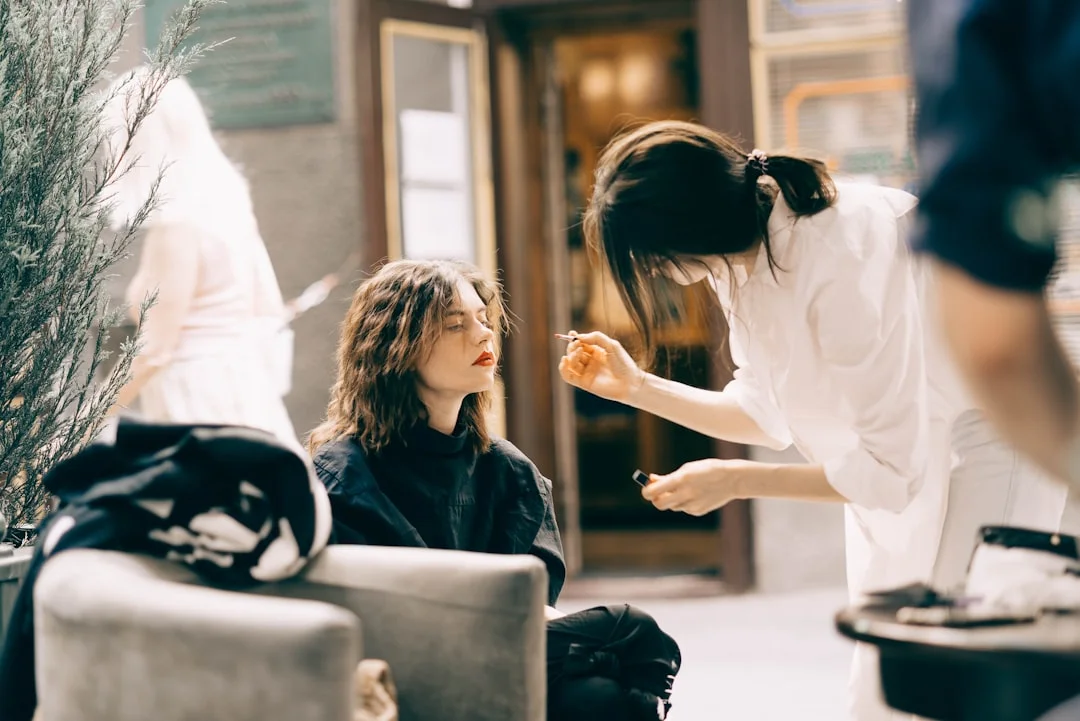
Photo by Dmitriy Frantsev on Unsplash
The AHLA Foundation’s flagship event FORWARD/26, held in Atlanta on April 17–18, 2026, brought together more than 1,000 hospitality professionals for two days of leadership programming, motivational dialogue, and hands-on career development. The event’s emphasis on influence, negotiation, ownership pathways, and mentorship signals a tangible commitment to advancing women into higher leadership levels within luxury and mainstream hotel brands. AttendeesReports and coverage highlighted a sold-out conference with robust engagement across panels, case studies, and breakout sessions designed to accelerate career progression for women in hospitality. The event served as a barometer for industry sentiment and a catalyst for ongoing action in the luxury segment. (ahla.com)
Themes and programmatic underpinnings
FORWARD/26 didn’t exist in isolation; it built on AHLA Foundation’s broader FORWARD initiative and the year-round BUILD & ELEVATE programs that support mid-to-senior leaders in hospitality. The foundation’s leadership-development portfolio has trained hundreds of women to date, with continued emphasis on executive presence, negotiation, advocacy, and strategic networking. The alignment of FORWARD/26 with other AHLA initiatives underscores a structured, sustained approach to cultivating a female leadership pipeline in luxury hospitality 2026 and beyond. (ahlafoundation.org)
Corporate and brand-level leadership moves around the time
In parallel with FORWARD/26, major hotel groups and industry bodies announced leadership changes that highlighted women in senior roles, signaling a broader industry shift. For example, AHLA publicly announced its 2026 board leadership development and governance updates, including a formal leadership-team transition that position a new chair and a refreshed governance slate. While these announcements are organizational, they map onto the same trend: women occupying more prominent leadership positions in luxury hospitality 2026. (ahla.com)
Benchmarking progress: where representation stands today
The ongoing representation gap at the top
Independent benchmark studies in 2025 and early 2026 show women still underrepresented in the top echelons of hotel leadership, particularly in CEO, COO, and investment/development roles, even as representation improves in other executive ranks. The 2023 AHLA–Penn State report and subsequent coverage from Hotel Dive and Luxury Travel Advisor describe a pattern of gradual gains—roughly one-quarter of chief-level roles held by women, with leadership benches widening but not closing at the fastest pace. Industry observers note that this lag reinforces the importance of leadership development, sponsorship, and early- career-to-executive pipelines to sustain momentum in luxury hospitality 2026. (ahla.com)
Cross-industry context and boards
Board and executive representation data from broader corporate benchmarks in 2025–2026 show women making meaningful gains in some sectors but lagging in boardroom chairs and top executive slots in several markets. While hospitality-specific data remains cautious, global trends suggest a stronger correlation between governance diversity and long-term performance, particularly in premium and luxury brands where guest experience and brand storytelling hinge on leadership credibility. The MSCI “Women on Boards and Beyond” series provides a cross-industry context that many hospitality executives reference when framing internal targets for 2026–2027. (msci.com)
Tech, experience, and leadership: the convergence driving change
Technology as an enabler of inclusive leadership
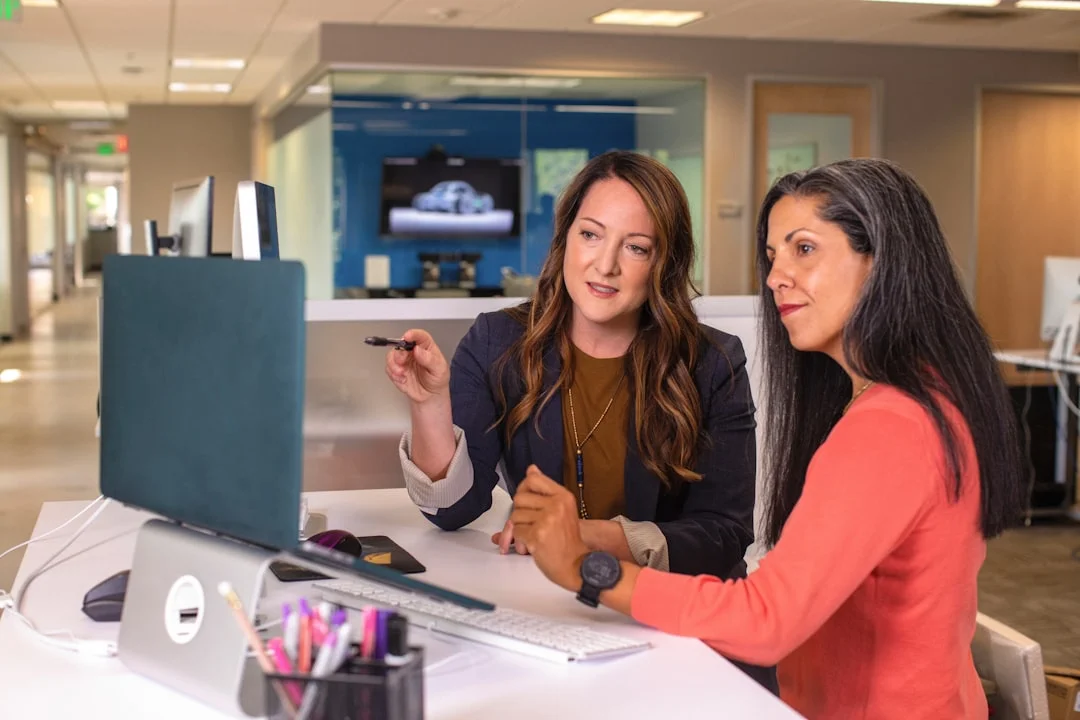
Photo by LinkedIn Sales Solutions on Unsplash
Industry watchers consistently flag technology as a critical enabler for luxury brands pursuing more inclusive leadership and scalable personalization. The 2026 technology outlook for hotels highlights best-in-class systems integration, data-driven decision-making, and AI-enabled guest experiences as core capabilities that empower leaders to deliver differentiated service while maintaining a human-centered approach. In that frame, Women leadership in luxury hospitality 2026 is not only about representation but about guiding investments in tech that amplify the impact of female executives—their ability to harness data, align teams, and drive guest-centric strategies. (hospitalitynet.org)
Design, sustainability, and leadership narratives
A parallel trend in luxury hospitality 2026 concerns how design and sustainability narratives are steered by leadership. Design-oriented coverage from Michelin Key Hotels emphasizes a shift toward restraint, place-based experiences, and design-driven hospitality that leverages technology to deliver hyper-personalization at scale. Women in leadership play a central role in shaping these narratives, ensuring that sustainability and inclusivity are not merely compliance requirements but core brand promises. This alignment between leadership, design, and technology reinforces the broader strategic importance of Women leadership in luxury hospitality 2026. (michelinkeyhotels.com)
The guest experience as a leadership testbed
Luxury hotels increasingly treat guest experience as a leadership testbed, where executive teams—many led by women in pivotal roles—test new service models, digital interfaces, and wellbeing offerings. AI-powered guest experiences, data privacy considerations, and hyper-personalization strategies are underway in multi-property pilots and rollouts. The AI-enabled guest-experience trend is described in multiple 2026 analyses as moving from pilot projects to broader, cross-property deployments, providing a practical arena for women leaders to demonstrate outcomes and scale best practices. (michelinkeyhotels.com)
What this means for the market and industry stakeholders
For guests and brand narratives
As leadership teams diversify, luxury brands are increasingly weaving inclusive leadership into guest narratives and service design. This shift matters because guests—especially high-net-worth travelers—expect brands to reflect broader social values while delivering flawless experiences. Independent observers note that leadership diversity correlates with more creative problem-solving, improved employee engagement, and more rigorous risk management—factors that compound guest satisfaction and brand strength. The convergence of inclusive leadership and hyper-personalization is a central dynamic in luxury hospitality 2026. (michelinkeyhotels.com)
For employees and career pathways
The FORWARD/26 program and similar initiatives are not just symbolic; they are practical mechanisms to accelerate the pipeline of women into senior roles. AHLA Foundation reports emphasize how these programs foster executive presence, strategic negotiation, and advocacy—soft skills that translate into more effective leadership in complex hotel ecosystems. This focus on capability-building is crucial as brands navigate talent shortages, wage pressures, and the demand for more flexible operating models in luxury hospitality 2026. (ahlafoundation.org)
For investors and governance
Investors are increasingly watching leadership diversity metrics as indicators of governance quality and strategic resilience. The 2025–2026 benchmarking across industries suggests that organizations with more balanced leadership teams tend to perform differently on governance and risk metrics, a consideration that matters for capital allocation and brand risk management in premium hospitality. While hospitality-specific data remains evolving, the cross-industry signals reinforce the strategic value of continued progress in Women leadership in luxury hospitality 2026. (msci.com)
Section 2: Why It Matters
The strategic value of women in luxury hospitality leadership

Photo by Anna Rosar on Unsplash
Leadership diversity as a business driver
Diversity in the executive suite is more than a social good; it is a business imperative in the luxury hospitality space. The hospitality industry’s move toward guest-centric design, sustainability, and technology-enabled personalization requires leaders who can navigate complex cultural signals, regulatory environments, and high-stakes brand narratives. In 2026, industry analysts argue that women in executive roles bring nuanced perspectives on guest experience, product development, and operational resilience, helping brands balance innovation with consistent service quality. This alignment between leadership and core business objectives is central to the enterprise value of luxury brands in 2026. (imd.org)
Talent development and the leadership pipeline
The AHLA Foundation’s FORWARD/26 event and related programs underscore a systemic approach to building leadership pipelines for women in hospitality. The programs’ structure—targeting mid- to senior-level managers for pathway to VP and above—addresses a known bottleneck in hospitality leadership where female representation drops off sharply at the top. The measured approach—combining in-person sessions, mentoring, and ongoing coaching—aims to translate early career momentum into sustained executive impact. In practice, this means faster, more intentional progression for women into roles where they can influence strategic decisions and brand direction in luxury hospitality 2026. (ahlafoundation.org)
Technology leadership and the guest experience
Technology leadership is a critical part of the story because the luxury segment increasingly relies on data-driven decision-making and AI-assisted guest experiences. Women leaders who guide digital transformation—such as AI-powered personalization, secure guest data management, and scalable service platforms—are pivotal in achieving the balance between human touch and automation that defines modern luxury hospitality. The 2026 outlooks emphasize that technology enables leaders to steward complex, multi-property ecosystems while maintaining a consistent, high-touch guest experience. (michelinkeyhotels.com)
Brand narrative and sustainability
Brand narratives in luxury hospitality are inseparable from leadership storytelling. Women in leadership roles help brands articulate commitments to diversity, equity, and inclusion as part of the guest value proposition. Combined with sustainability and design-forward thinking, leadership influence helps brands distinguish themselves in a crowded market. The design-forward perspective reported in 2026 emphasizes how leadership shapes experiences—where technology, material choices, and guest services converge to create meaningful, responsible luxury. (michelinkeyhotels.com)
Who is affected and what is shifting in the ecosystem
Brand-level implications
Luxury hotel groups are recalibrating governance and leadership strategies to reflect a more diverse executive profile. Beyond rhetoric, brands are ensuring that succession planning, sponsorship programs, and performance metrics align with a more inclusive leadership agenda. This alignment is particularly visible in executive appointment announcements and governance reforms that emphasize female leadership as a core strategic pillar in luxury hospitality 2026. (ahla.com)
Industry-wide implications
Industry observers note that the momentum around Women leadership in luxury hospitality 2026 is contributing to broader shifts in how hospitality organizations position themselves in competitive markets. The rise of women leaders aligns with cross-industry expectations around governance quality, talent development, and the ability to deliver highly personalized guest experiences at scale. In this sense, the hospitality sector’s progress mirrors, and in some cases surpasses, corresponding trends in other premium sectors. (msci.com)
What’s Next: the horizon for 2026–2027
Short-term milestones and anticipated appointments
Looking ahead, expect continued executive-level announcements and boardroom refreshes across leading luxury brands, with female leadership expected to play a central role in shaping product strategy, guest experience design, and sustainability programs. While precise names and roles will emerge over the next quarters, the pattern of appointment and promotion is likely to accelerate as brands formalize leadership development pipelines established by FORWARD, BUILD, and ELEVATE. Regular updates from AHLA, luxury-brand press offices, and industry outlets will be the primary channels for these developments. (ahlafoundation.org)
Tech investments and pilot-to-scale rollouts
As AI, data analytics, and guest-facing technologies mature, luxury brands will push wider rollouts of AI-powered guest services, predictive maintenance, energy optimization, and privacy-respecting data platforms. Leadership teams, including women in senior positions, will be judged by their ability to translate pilot programs into scalable, secure, and compliant programs across multi-property portfolios. The 2026 technology outlook and related reports point to a multi-year transition from pilots to enterprise-wide deployments, with governance and risk management playing a central role in rolling out these capabilities responsibly. (michelinkeyhotels.com)
Market signals and policy implications
Enhanced leadership diversity in luxury hospitality will intersect with regulatory, consumer, and investor expectations around governance and ethics. While the sector’s data remains uneven across regions, the general trajectory suggests that investors will increasingly reward brands with credible diversity and inclusion programs, transparent reporting on leadership demographics, and evidence of measurable progress in the leadership pipeline. The MSCI and AHLA benchmarking data provide a context for investors evaluating risk, resilience, and long-term value in luxury hospitality 2026. (msci.com)
Closing
As the year progresses, the media conversation around Women leadership in luxury hospitality 2026 will continue to evolve, driven by leadership appointments, governance updates, and the practical outcomes of large-scale talent development programs. The latest data and events suggest a sector moving toward more balanced leadership and more deliberate use of technology to empower those leaders, while maintaining the high standard of service that defines luxury hospitality. For readers seeking ongoing updates, I’ll be monitoring AHLA Foundation announcements, major brand leadership news, and the expanding coverage from industry outlets and research bodies that track leadership representation, technology adoption, and market performance in luxury hospitality 2026. Sources and timelines from FORWARD/26, AHLA governance updates, and cross-industry benchmarks will continue to illuminate how Women leadership in luxury hospitality 2026 translates into measurable impact for guests, employees, and investors alike. (ahla.com)
Author
Layla Mbaye
2026/06/25
Layla Mbaye, of French heritage, is a passionate newcomer in the world of travel writing, focusing on hidden gems and off-the-beaten-path experiences. Her fresh perspective brings a vibrant and diverse voice to the travel journalism field.