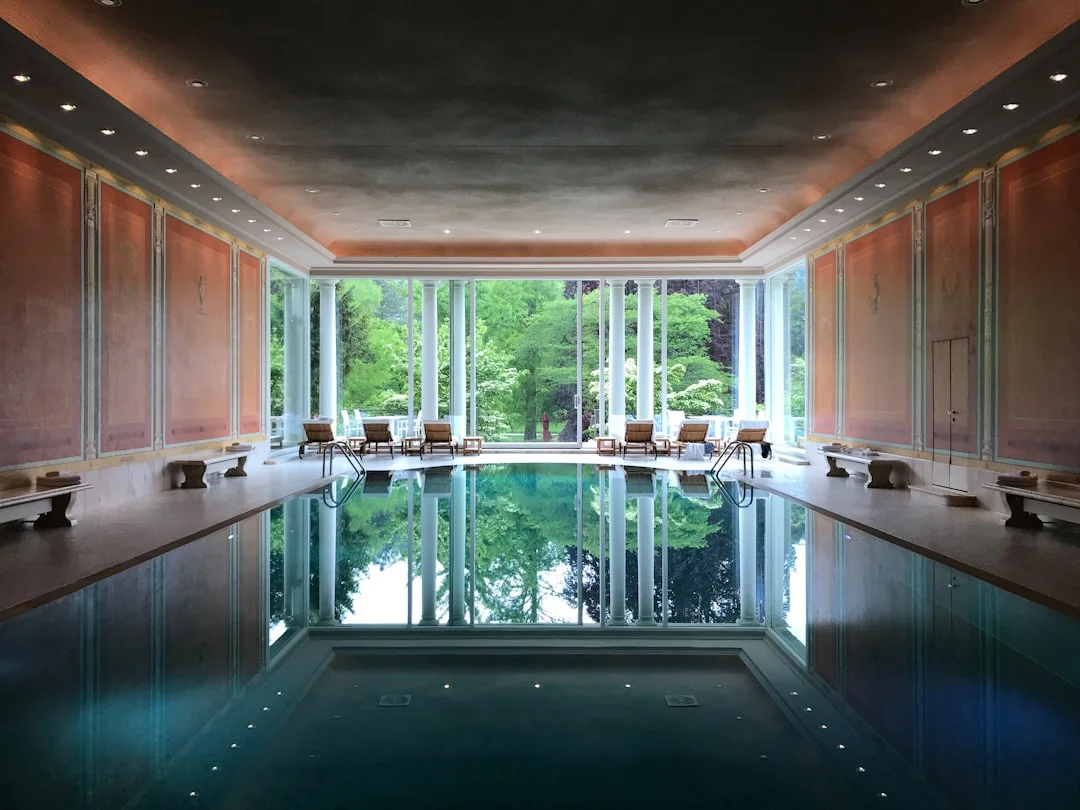
Urban Wellness Sanctuaries Luxury Hotels 2026
Explore data-driven analysis of urban wellness sanctuaries and luxury hotels in 2026, delving into tech trends and evolving market shifts.
In 2026, a wave of in-city openings and announced pipelines is redefining what travelers expect from luxury stays. The trend is clear: urban properties are increasingly marketed and designed as wellness-centric sanctuaries, where biophilic design, advanced technology, and data-informed services converge to offer more than a room with a view. The news that 1 Hotel Tokyo opened on March 5, 2026 signals a flagship move for the biophilic luxury model in dense urban markets, illustrating how in-city properties are embracing nature-forward design without sacrificing urban accessibility. This milestone underscores a broader industry pivot toward wellness-forward hospitality in major global cities. (michelinkeyhotels.com)
Across Europe and the Americas, luxury brands are accelerating urban wellness programs. Six Senses London, positioned in the Notting Hill/White City corridor, is advancing the city-wellness play with a dedicated spa footprint—reported as a major milestone for urban sanctuaries—while positioning Six Senses Place and other wellness-dedicated spaces as a core part of the guest experience. Although Six Senses London was under development in early 2026, the property’s approach—an expansive, city-centered wellness proposition—typifies the urban wellness sanctuaries trend in 2026. The property’s rollout aligns with broader industry signals about the premium guests place on wellness as a core offer rather than an amenity. (luxurytraveladvisor.com)
Industry observers point to a coordinated macro-trend: hydrothermal and biophilic design elements are moving from decorative features to operational standards in urban luxury. Global Wellness Institute’s 2026 hydrothermal initiative highlights the emergence of urban thermal centers and private wellness suites integrated into city hotels, with circuits that weave heat, cold, water, and rest into repeatable, bookable experiences. The trend is reinforced by brand-level commitments from Accor and by a wave of openings and pipelines in 2026 that emphasize vertical gardens, climate-responsive façades, and data-enabled guest personalization. This convergence of design, technology, and wellness is shaping how urban luxury properties position themselves in crowded markets. (globalwellnessinstitute.org)
Opening with a focus on 2026 milestones, this article provides a data-driven look at urban wellness sanctuaries luxury hotels 2026, and what these developments mean for guests, operators, and investors. While the exact economics vary by market, the overall trajectory is evident: in-city wellness experiences are increasingly treated as core offerings that drive higher ADRs, longer dwell times, and stronger brand differentiation in a competitive luxury landscape. McKinsey’s January 2026 analysis complements this view, noting that the wellness economy is expanding beyond traditional spa rituals to encompass longevity, performance, and quality of life, with travel experiences aligning to these broader health agendas. This shift is more than trend-driven; it reflects fundamental changes in consumer expectations and how hoteliers design, price, and operate their properties in city centers. (mckinsey.com)
What Happened
Major openings signal a biophilic shift in 2026
A clear signaling move came with 1 Hotel Tokyo’s March 5, 2026 launch, described by Michelin Key Hotels as a flagship example of biophilic luxury hotels 2026 in action. The project emphasizes nature-inspired design, Japanese craftsmanship, and planet-first hospitality in an urban setting, marking a concrete milestone for nature-infused urban sanctuaries. This opening is part of a broader, brand-wide push toward nature-driven guest experiences in dense markets, aligning with industry forecasts that biophilic design will be central to premium property strategy in 2026 and beyond. (michelinkeyhotels.com)
In London, Six Senses London represents a pivotal urban wellness sanctuary in a major European market. The publication notes reservations for stays beginning in March 2026 and highlights a 25,000-square-foot spa as a cornerstone of the guest experience, signaling a broader shift in which large luxury groups seek to anchor wellness programs directly within city cores. The property’s urban positioning—alongside plans for Six Senses Place and related culinary spaces—illustrates how brands are translating resort-level wellness into compact, city-based formats. (luxurytraveladvisor.com)
Accor’s 2026 openings further illustrate the biophilic and sustainable design wave across a wide geographic footprint. Public releases and pipeline announcements describe vertical gardens, locally sourced materials, and energy-smart systems as core attributes of upcoming properties. The company’s calendar for 2026 openings demonstrates that wellness-forward, nature-infused design is no longer optional; it is a standard operating premise for premium operators seeking differentiation in urban markets. (michelinkeyhotels.com)
Hydrothermal initiatives in urban settings are moving from niche concept to mainstream infrastructure, with hotels integrating complete thermal environments designed for long dwell times and social wellness experiences. The Global Wellness Institute’s hydrothermal trends for 2026 describe urban thermal hubs and co-located experiences that serve not only hotel guests but also local communities, underlining a broader social and economic shift toward wellness-centric city architecture. (globalwellnessinstitute.org)
New openings that embody biophilic principles
The March 2026 opening of 1 Hotel Tokyo is a touchstone for biophilic luxury in dense urban markets. The project’s emphasis on daylight optimization, natural textures, and sustainable materials mirrors a broader design and branding trend in which guests expect a sense of place and environmental stewardship as part of the premium experience. The opening demonstrates how urban sanctuaries can fuse local craftsmanship with a universal wellness language to attract both local residents and international travelers. (michelinkeyhotels.com)
Six Senses London’s urban wellness strategy reflects a broader push by luxury brands to embed extensive wellness ecosystems in city contexts. The property’s scale—combining guest rooms with a floor-dominant spa, plus potential private-membership extensions and wellness programming—embodies the shift from “amenity” to “anchor” in hotel design. The coverage emphasizes the city-facing, community-inclusive angle of the wellness strategy, which is increasingly common in 2026 as brands seek to create social spaces around health, mindfulness, and recovery. (luxurytraveladvisor.com)
Accor’s 2026 openings, as described in brand communications, foreground vertical gardens, sustainable materials, and energy-smart systems as standard features across multiple markets. This highlights a strategic push to normalize nature-infused, wellness-forward design as a core differentiator rather than a niche add-on in luxury and upper-upscale hotel development. The emphasis on sustainability labeling and third-party certifications signals a broader market demand for credible wellness credentials in urban hotel experiences. (michelinkeyhotels.com)
The industry-wide biophilic and hydrothermal trend is reinforced by authoritative design and hospitality analysis. Reports and design commentary point to a growing pipeline of openings that foreground living façades, daylight-optimized interiors, and climate-conscious materials—signals that urban wellness sanctuaries are moving from aspirational concept to mainstream practice. That momentum is echoed in trade press and research, including CoStar’s early-2026 trend coverage and McKinsey’s framing of design-driven wellness as a growth engine for the luxury hotel sector. (michelinkeyhotels.com)
Why It Matters
Guest well-being and demand dynamics
Wellness design in urban hotels is increasingly treated as a core guest experience driver, not merely an optional luxury. The shift toward biophilic and hydrothermal design translates into tangible guest benefits—health, relaxation, and higher perceived value—while supporting operational efficiency through smarter materials, daylighting, and climate control. McKinsey’s analysis emphasizes that wellness is now integral to the hospitality value proposition, with guests seeking restorative, health-forward experiences as a standard expectation in premium stays. This aligns with brand announcements and design trends in 2026 that place wellness front and center in urban luxury. (mckinsey.com)
Market data and forecasts suggest growing demand for wellness-forward hotel experiences. Global Wellness Institute’s wellness-tourism framing notes a persistent interest in urban, accessible wellness experiences, with hoteliers targeting city guests as well as local communities. While precise market-size figures vary across research outfits, the direction is consistent: wellness is a growth engine for luxury travel, and urban sanctuaries are a key channel for that growth in 2026. This is reflected in industry analyses that project continued investment in wellness-oriented hotels and destinations. (globalwellnessinstitute.org)
Operational efficiency, sustainability, and cost considerations
For hoteliers, embedding wellness into the core guest journey also aligns with efficiency and ESG priorities. Biophilic design and hydrothermal circuits can improve energy performance, reduce unnecessary waste, and enable data-driven guest personalization through connected rooms and intelligent environmental controls. McKinsey notes that sustainability credentials are increasingly visible to travelers, and brands that connect wellness to measurable sustainability metrics are more likely to gain trust, loyalty, and premium pricing. The combination of design, technology, and third-party certification is shaping how properties are built, marketed, and operated in the mid- to long term. (mckinsey.com)
The Accor and 1 Hotel Tokyo examples show a pattern where properties invest in durable, scalable wellness infrastructures rather than one-off spa upgrades. Vertical gardens, regenerative materials, and energy-efficient envelopes are cited as core elements of new-build protocols, supporting a long-run asset story that can command higher occupancy and ADR in competitive urban markets. Industry summaries and opening calendars from 2026 corroborate this shift, illustrating a consistent approach across groups to blend nature, tech, and luxury hospitality. (michelinkeyhotels.com)
Regional expression and cultural resonance
Urban wellness sanctuaries are being tailored to local climates, cultures, and architectural contexts. The McKinsey discussion of regional expression emphasizes that biophilic design is interpreted through local ecosystems and cultural aesthetics, producing authentic experiences that resonate with guests while maintaining global brand coherence. Design Middle East commentary in the same vein underscores the importance of context-aware materials and energy strategies as hotels scale wellness concepts across markets. This regional tailoring is a hallmark of 2026’s urban wellness push, ensuring that wellness is not a one-size-fits-all formula but a place-based value proposition. (mckinsey.com)
The ongoing presence of Aman and Rosewood explorations in major cities—coupled with new urban luxury concepts—illustrates how high-end brands are leveraging “urban sanctuaries” language to signal a retreat-like experience in the city. Aman’s urban resorts in Bangkok and New York, as well as Rosewood’s wellness programming in urban and resort settings, demonstrate a coherent strategy: bring resort-level wellness into the heart of cities while maintaining a distinctive brand voice anchored in curated, mindful experiences. This trend is documented in industry coverage and brand communications that accompany 2026 openings. (luxurytraveladvisor.com)
The broader market narrative
The luxury hotel segment is increasingly positioning wellness as a differentiator in a crowded field. Hospitality Net and other industry analyses note a growing emphasis on wellness as a defining attribute of premium hospitality, with brands leveraging wellness storytelling to build loyalty, justify premium pricing, and attract a broader audience of wellness-minded travelers. The convergence of wellness with sustainability, design, and digital personalization is creating a new premium standard for luxury properties in urban centers. (hospitalitynet.org)
Wellness travel is expanding beyond leisure into business-friendly, short-stay formats where guests expect curated wellness experiences to fit into a tight schedule. The urban wellness sanctuary approach seeks to combine efficiency, privacy, and restorative environments in a way that supports business travelers, social travelers, and locals alike. Industry observers point to a shared expectation: guests want environments that feel restorative and intentional, with measurable outcomes and authentic cultural cues embedded in design and programming. This is reflected in brand pipelines and design commentary from 2026. (michelinkeyhotels.com)
What’s Next
Short- to mid-term outlook for openings and pipelines
The 2026 openings calendar suggests a robust, multi-brand pipeline focused on biophilic and sustainable design in urban centers. The combination of 1 Hotel Tokyo’s March 2026 debut and Accor’s announced pipelines, with living façades, daylight-optimized interiors, and energy-aware systems, points to a sustained acceleration in urban wellness sanctuaries luxury hotels 2026. Industry forecasts and press coverage indicate that developers will continue to invest in nature-integrated design, climate-responsive envelopes, and modular construction techniques to manage cost and schedule risk in dense urban environments. (michelinkeyhotels.com)
Reports from industry analysts and design commentators highlight the continued expansion of urban hydrothermal centers, including private wellness suites and bookable, high-end wellness programming within city hotels. This suggests a near-term trend where wellness components become more accessible to a wider guest base, not just ultra-luxury circumscribed by resort contexts. The trend is reinforced by Hydrothermal Initiative coverage that identifies private wellness spaces, social bathing, and guided rituals as growth engines in 2026. (globalwellnessinstitute.org)
Technology, personalization, and the guest journey
Technology remains a central enabler of personalization in 2026. McKinsey’s work on the future of hotels emphasizes data-enabled customization, with guests able to adjust environmental settings through apps and staff using contextual data to tailor experiences in real time. The result is a guest journey that blends wellness with efficiency, enabling guests to inhabit a space that feels intimately suited to their physiological and psychological state. As hotels pursue biophilic design, they are also investing in digital ecosystems that support longer dwell times and higher guest satisfaction. (globalwellnessinstitute.org)
The industry also sees a growing emphasis on discretely integrated medical and longevity programming. The Four Magazine 2026 Wellness Innovations piece outlines several technology-enabled wellness modalities, from AI-informed supplementation to sleep diagnostics and circadian architecture. While these trends are presented in a luxury context, the underlying logic—personalization, data-driven health optimization, and integrated wellness ecosystems—reflects a broader direction for urban wellness sanctuaries in 2026. (four-magazine.com)
What to watch for in policy, certification, and performance
As wellness becomes a more explicit differentiator, guests are likely to demand greater transparency around sustainability and health claims. The Global Wellness Institute notes a growing emphasis on third-party certifications and clear labeling in booking paths, signaling that guests will increasingly evaluate properties on verifiable wellness metrics. This regulatory-like pressure complements brand narratives around environmental stewardship and health outcomes, shaping how urban wellness sanctuaries luxury hotels 2026 communicate value to prospective guests and investors. (globalwellnessinstitute.org)
Pipeline developments will also hinge on macroeconomic factors—cost pressures, supply-chain dynamics, and regulatory considerations—that influence construction timing and materials. The Michelin Key Hotels analysis points to a confluence of demand for healthier environments and the need for cost discipline, suggesting that 2026–2027 will feature projects that balance premium guest experiences with resilient supply chains and sustainable design. Market observers will watch for how these dynamics influence occupancy, average daily rate, and lifecycle value across urban wellness-forward properties. (michelinkeyhotels.com)
What's Next: Timeline and Next Steps
Immediate steps in 2026 include the continued rollout of biophilic and hydrothermal concepts in flagship urban properties, with more cities adopting integrated wellness circuits, private suites, and in-room wellness modalities. The 1 Hotel Tokyo opening in March 2026 demonstrates the speed at which new projects can push wellness-forward design into core real estate strategies, while Six Senses London and other urban trials signal a replicable blueprint for city-center wellness sanctuaries. Analysts expect more formal announcements from Accor, Aman, Rosewood, and other luxury brands as they refine their urban wellness roadmaps for 2026 and beyond. (michelinkeyhotels.com)
Longer-term indicators point toward a durable shift in the luxury hotel market: guests will increasingly seek properties that deliver restorative experiences, measurable health outcomes, and socially engaging wellness programs within urban contexts. The wellness economy literature and industry reports suggest continued growth in wellness travel, with a premium attached to hotels that can demonstrate credible wellness value through design, programming, and data-driven personalization. This trajectory supports a future where urban wellness sanctuaries luxury hotels 2026 become a standard feature of premium global hospitality rather than a niche segment. (mckinsey.com)
Closing
The city hotel of the future is evolving into a wellness-first experience embedded in daily life rather than a retreat isolated from urban rhythms. The opening of 1 Hotel Tokyo in March 2026, the emergence of Six Senses London as an urban wellness sanctuary, and Accor’s broader 2026 pipeline all illustrate a market that views in-city destinations as engines of health, sustainability, and premium guest value. As brands blend biophilic design with advanced technology, guests can expect increasingly personalized environments—room-by-room, program-by-program—designed to support sleep, recovery, circadian balance, and lasting well-being during and after travel. The trajectory is clear: urban wellness sanctuaries luxury hotels 2026 are not just a trend but a core strategic direction for luxury hospitality in the coming years, with city centers becoming the new frontiers of restorative travel.
To stay ahead of these developments, readers should track major brand openings, sustainability certifications, and technology-enabled guest experiences across flagship urban properties. As cities grow denser and travelers demand deeper wellness integration in their trips, the urban sanctuary model will continue to reshape where, how, and why people stay in luxury hotels. For ongoing updates, the hospitality press and brand press releases will remain the most reliable indicators of where wellness-forward urban hotels are headed next, from new openings to curated wellness programming that blends science, design, and place into seamless guest journeys.
Author
Aria Nakamura
2026/06/04
Aria Nakamura is a travel journalist with Japanese and American roots, specializing in luxury hospitality reviews. She has spent over a decade exploring boutique hotels across Asia and Europe, capturing the nuances of each locale.


