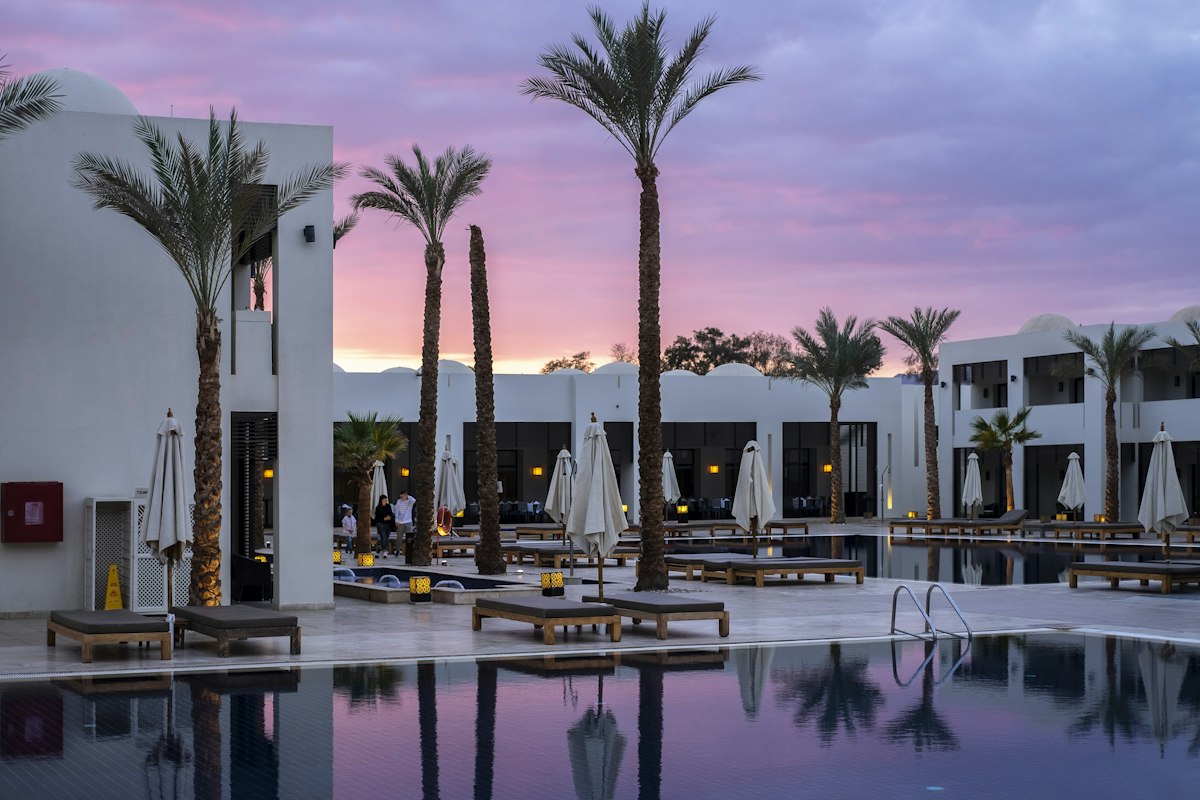
Upscale hotel openings and chef movements 2026
Neutral and data-driven analysis of new upscale hotel openings and chef movements in 2026, shaping the future of luxury hospitality industry.
The year 2026 is shaping up as a pivotal moment for upscale hospitality, with a wave of luxury hotel openings around the world paired with ambitious chef migrations to hotel concepts and branded restaurants. From the beaches of Phuket to the historic avenues of Athens and the private reserves of Kenya, investors and operators are betting on a blend of design-forward properties, curated culinary programs led by renowned chefs, and technology-enabled guest experiences. This coverage uses a data-driven lens to highlight who is opening where, which chefs are moving into hotel restaurants, and why these developments matter for travelers, investors, and operators alike. In particular, the framing of Upscale hotel openings and chef movements 2026 reveals a trend toward deeper brand-hospitality collaborations, elevated wellness and sustainability programs, and the integration of high-profile culinary talent as a core differentiator for luxury stays. (press.accor.com)
The coming months will witnesses a portfolio-scale push from major brands, including Accor’s MGallery Collection openings in Europe and Asia Pacific, Marriott’s strategic safari camps in Kenya, and mixed-use luxury projects that couple residences with signature dining concepts. The hospitality industry is watching how these openings perform amid inflationary pressures, shifting travel patterns, and a customer base increasingly seeking immersive, place-based experiences. Early signals point to a continued emphasis on destination storytelling, local culinary partnerships, and hospitality technology that streamlines service while preserving the personal touch guests expect from luxury. (press.accor.com)
What Happened
New Luxury Openings Set for 2026 Across Key Regions
The global luxury hotel landscape is expanding with ambitious openings in 2026 that underscore a broader strategy of blending location identity with world-class dining. In Phuket, Kamaliss MontAzure Phuket – MGallery Collection is scheduled to open in April 2026 as part of MontAzure’s Kamala Beach development, opening a new 150-room resort anchored by a lagoon-centered design and lifestyle concepts. This move aligns with Accor’s broader push into high-identity destinations in 2026. The brand’s official announcements emphasize a focus on boutique scale, design-driven experiences, and integration with a larger mixed-use ecosystem. (group.accor.com)
On the French Atlantic coast, Le Bel Hôtel Oléron – MGallery Collection is slated for April 2026, transforming a prominent Natura 2000 site into a luxury boutique property with 102 rooms and a Michelin-starred culinary concept led by Pierre Gagnaire. The project signals Accor’s strategy to translate local geography into refined luxury, anchored by celebrated gastronomy and a coastal resort experience. (group.accor.com)
Greece also features a high-profile debut: Conrad Athens, The Ilisian opens in 2026, bringing a combined Conrad hotel and Waldorf Astoria branded residences to central Athens. HospitalityNet’s coverage notes nine restaurant concepts and a major wellness footprint, illustrating how modern luxury hotels increasingly double as culinary and wellness hubs. (hospitalitynet.org)
In East Africa, Marriott International is advancing its luxury safari portfolio with JW Marriott Mount Kenya Rhino Reserve Safari Camp, expected to open in early 2026 in the Solio Game Reserve. This project, announced in Marriott’s Africa newsroom, showcases an evolving trend of luxury camps that blend conservation with high-end hospitality, a model that has attracted significant investor attention in recent years. (marriott.africa-newsroom.com)
Across the Atlantic, Africa’s luxury safari pattern continues with The Ritz-Carlton Maasai Mara Camp in Kenya, which began operations in 2025 but continues to influence regional luxury strategies and brand collaborations in 2026, as industry coverage notes the growing prominence of ultra-luxury tented camps in major game reserves. (hospitalitydesign.com)
In London, Six Senses London has opened in The Whiteley in Bayswater, marking a major wellness-forward addition to the city’s luxury landscape, demonstrating how European markets are expanding complex wellness-oriented offerings alongside traditional luxury amenities. The Financial Times highlights this development as part of a broader wellness- and sustainability-driven luxury wave. (ft.com)
North America remains a hotbed for pipeline activity, with Skift’s January 2026 report highlighting that New York City and Phoenix lead US openings in 2026, signaling continued emphasis on urban luxury destinations and high-volume pipelines that combine new-builds with branded residences and enhanced F&B programs. (dlr.skift.com)
Notable Brand Announcements and Culinary Collaborations
Brand announcements for 2026 underscore a growing trend in which luxury hotel groups actively partner with celebrity chefs and Michelin-starred talents to elevate F&B offerings as a core differentiator. In the United States, the St. Petersburg Central Hotel (Autograph Collection) is set to anchor Geoffrey Zakarian’s flagship restaurant, with Zakarian Hospitality overseeing menus and operations across the property’s dining and hospitality services. Local coverage confirms construction and development timelines for early 2026, signaling a new model where an integrated hotel-and-restaurant concept positions high-profile chefs as both brand ambassadors and day-to-day operators. (businessobserverfl.com)
Similarly, new hotel projects in the UK and Europe are attracting Michelin- and star-trained culinary talent to head restaurant concepts within the properties, as industry press notes. In the Middle East and Asia Pacific, luxury hotel groups are partnering with top chefs to introduce signature dining rooms within new properties, reinforcing the view that culinary excellence is a central pillar of competitive advantage in upscale travel. For example, Kenji Yamanaka’s move to Ritz-Carlton, Fukuoka, and Burnt Ends’ chef Dave Pynt’s involvement in Waldorf Astoria Bali reflect a broader trend of chef mobility into hotel ecosystems, enhancing brand prestige and guest experience. (businesstimes.com.sg)
Industry observers also point to collaboration models that blend in-hotel dining with off-site experiences. The St. Petersburg project’s integrated food-and-beverage strategy, which involves a rooftop venue, theater spaces, and a dinner concept serving as the cornerstone of the hotel experience, illustrates a growing appetite for multi-venue concepts under one roof. This approach is echoed in other markets where hotels aim to offer a “gastronomic neighborhood” within a single development. (businessobserverfl.com)
Celebrity Chefs on the Move: Demand Signals and Case Studies
A growing body of reporting indicates that celebrity and Michelin-star chefs are becoming strategic anchors for upscale openings. Geoffrey Zakarian’s involvement in St. Petersburg is among the clearest examples, with multiple local outlets documenting his leadership role and the hotel’s plan to integrate dining, beverage services, and hotel operations under a single culinary program. This reflects a broader pattern: chefs moving into hotel ownership or management roles to provide consistency and brand identity across the property’s food and beverage experiences. (businessobserverfl.com)
Additional chef movements include Pierre Gagnaire’s culinary leadership for Le Bel Hôtel Oléron’s restaurant concept, reinforcing the link between Michelin-starred gastronomy and high-end property openings in 2026. The collaboration signals a growing willingness of luxury brands to invest in star-level cuisine as a strategic differentiator in competitive markets. (press.accor.com)
In Asia-Pacific, The Business Times and Hospitality Design report on chef-led hotel dining initiatives and chef-driven brands forming a core component of new openings, including cases where chefs join hotel teams as full-time staff rather than independent operators. This trend aligns with a broader industry shift toward stable, long-term culinary leadership inside luxury hotels. (businesstimes.com.sg)
In the Middle East, Asia-Pacific, and Europe, hospitality outlets are increasingly featuring chef-led concepts as anchors for hotel openings, often integrated with wellness and experiential programming. For example, Hospitality Design’s 2026 openings feature a wave of chef-driven experiences tied to luxury properties that aim to translate local culinary identities into global appeal. (hospitalitydesign.com)
Why It Matters
Technology-Driven Guest Experiences at Scale

Photo by Adhitya Sibikumar on Unsplash
Luxury hotel openings in 2026 are not just about square footage or room counts; they’re about deploying technology to enhance the guest journey while preserving a human-centered service ethos. Industry analysis from Hospitality Net highlights five trends shaping the hospitality landscape in 2026, including the expansion of luxury into broader realms of experience, and the use of technology to support personalization, sustainability, and operational efficiency. It’s clear that openings will increasingly feature integrated technology platforms for concierge services, contactless check-in, smart room controls, and data-driven guest insights to tailor dining, wellness, and leisure experiences. (dashboard-aws.hospitalitynet.org)
Market Impacts: Growth, Pipelines, and Investor Confidence
From a market perspective, the 2026 openings and project pipelines illustrate both resilience and selective risk-taking among luxury-hospitality players. Skift’s coverage of luxury hotel growth emphasizes that the world’s biggest operators are expanding through brand extensions, premium experiences, and aggressively expanding luxury portfolios. Marriott’s ongoing safari camp strategy in Kenya demonstrates how luxury brands are combining high-end guest experiences with conservation and local community engagement—an approach that can drive premium pricing while addressing sustainability expectations from UHNW travelers. The pipeline data underscore that growth remains robust in select markets, even as executives monitor macroeconomic signals. (archive.ph)
Sustainability and Local Identity as Core Differentiators
Openings in Natura 2000 sites, beachfront ecosystems, and historic cities reflect a broader industry emphasis on sustainability and place-based storytelling. Le Bel Hôtel Oléron anchors its identity in a Natura 2000-protected site, guided by a Michelin-starred chef, with a design narrative built around local landscapes and maritime heritage. This approach aligns with consumer demand for responsible luxury—where environmental stewardship, local sourcing, and cultural resonance are not afterthoughts but essential elements of the guest experience. (group.accor.com)
Culinary Prestige as a Core Driver
Culinary prestige remains a core differentiator for upscale hotels. The movement of chefs into hotel concepts—Zakarian in St. Petersburg, Gagnaire on Oléron, and Kenji Yamanaka in Fukuoka—demonstrates that high-profile gastronomy is increasingly viewed as a strategic asset that can elevate a hotel’s brand perception, command premium rates, and attract international attention. This is not simply about adding a restaurant; it’s about creating an integrated lifestyle experience where cuisine, design, wellness, and service reinforce each other. (businessobserverfl.com)
What’s Next
Timelines, Milestones, and Early Observations
Looking ahead at 2026 and into 2027, several openings are already driving market chatter and anticipatory booking patterns. MontAzure Phuket’s Kamaliss MontAzure Phuket is scheduled to open in April 2026, with a soft-opening or phased approach beginning in early 2026 as the property completes its initial phases. Early communications from MontAzure emphasize a delay-tolerant rollout aimed at integrating retail, dining, and wellness spaces into a seamless guest experience. (onemontazure.com)
Le Bel Hôtel Oléron – MGallery Collection is also slated for April 2026, bringing Pierre Gagnaire’s culinary leadership to Oléron and signaling a high-profile culinary anchor for the property. Travel industry outlets and hospitality consultancy groups have highlighted April 2026 as a pivotal month for this property’s launch window. (group.accor.com)
Conrad Athens, The Ilisian is expected to welcome guests in early 2026, with nine dining concepts and a broad wellness offering that positions the property as a hub for both locals and visitors seeking a multifaceted luxury experience in the heart of Athens. As with many major openings, the rollout may include phased restaurant openings and selective guest room openings before a full-scale launch. (hospitalitynet.org)
In East Africa, JW Marriott Mount Kenya Rhino Reserve Safari Camp is anticipated to open in early 2026, marking the brand’s second JW Marriott safari campsite in Kenya and underscoring Marriott’s commitment to luxury safari experiences that combine conservation with premium guest services. The project’s timeline and scope are consistent with Marriott’s Africa portfolio strategy. (marriott.africa-newsroom.com)
St. Petersburg’s Central Hotel Autograph Collection presents a parallel timeline, with construction and development activity planned for early 2026 as part of a broader mixed-use development featuring a flagship Geoffrey Zakarian restaurant and integrated hospitality services. This model may serve as a template for hotel-restaurant integrations in other markets, given its emphasis on culinary leadership and integrated guest experiences. (businessobserverfl.com)
What to Watch: Key Indicators of Momentum
- Velocity of openings in high-identity destinations: Europe’s historic cities and Asia-Pacific hot spots are showing continued momentum, with multiple brands announcing openings in 2026 and beyond. The combination of design-forward properties and chef-led dining concepts will be a key differentiator in crowded luxury markets. (hospitalitynet.org)
- Chef movements as a governance mechanism for brand identity: The trend toward placing renowned chefs at the helm of hotel dining programs suggests a strategic shift in how luxury hotels build brand equity. The Zakarian case in St. Petersburg, alongside Gagnaire’s Oléron collaboration, illustrates a practical template for how hotels can leverage culinary prestige to attract guests. (businessobserverfl.com)
- Technology-enabled, experience-rich luxury: Expect openings to combine high-tech guest services with immersive experiences (wellness ecosystems, curated local experiences, and digital personalization). This aligns with broader industry analyses that identify luxury expanding into “realms” beyond traditional rooms and dining. (dashboard-aws.hospitalitynet.org)
- Sustainability as a core requirement: Projects located in sensitive natural areas or designed with strong local-sourcing programs reflect the industry’s tightening sustainability standards and guest expectations. Le Bel Hôtel Oléron’s Natura 2000 site integration is a prime example. (group.accor.com)
Closing
The 2026 horizon for upscale hotel openings and chef movements is characterized by a deliberate blend of place-based storytelling, celebrity culinary leadership, and technology-enabled guest experiences. As brands launch in destinations from Phuket to Athens to the Maasai Mara, the market is watching not only how many rooms and meters of wellness space are added, but how these properties leverage gastronomy, sustainability, and digital capabilities to create enduring value for guests and investors alike. For readers seeking real-time updates, the key indicators will be opening dates, chef appointments, and the rollout of technology-driven guest services across new properties.

Photo by Hakim Menikh on Unsplash
To stay updated, follow major brand announcements and trade coverage from sources like Accor’s official openings (MGallery and related collections), Marriott’s Africa newsroom, Hilton’s luxury announcements, and Hospitality Design’s forward-looking openings lists, alongside independent industry analysis from Skift and Hospitality Net. These outlets are actively documenting new openings, chef partnerships, and the evolving technology stack shaping luxury hospitality in 2026. (press.accor.com)
Author
Ravi Patel
2026/03/04
Ravi Patel is a seasoned travel writer from India, with expertise in sustainable tourism and eco-friendly resorts. His work has been featured in numerous international publications, advocating for ethical travel practices.