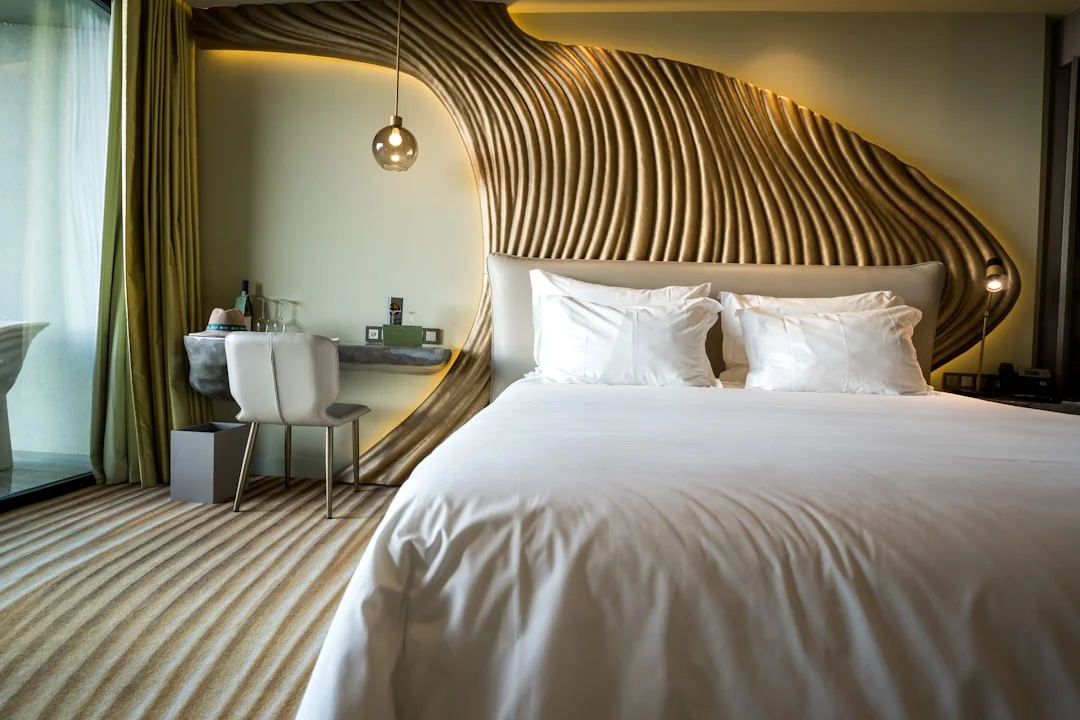
Global Upscale Travel Trends 2026
Explore a comprehensive, data-driven analysis of global upscale travel trends for 2026, shaping the future of luxury hospitality and technology.
The global upscale travel trends 2026 are shaping how luxury hotels plan, market, and operate in a year defined by rapid tech-enabled personalization and shifting traveler expectations. As of March 15, 2026, industry data and analyst reports point to a luxury segment that remains growth-oriented but increasingly discerning about value, privacy, and authenticity. The new briefing from Michelin Key Hotels synthesizes the latest signals from luxury networks, hospitality consultants, and market trackers to deliver a concise, data-driven view of the trends that will define upscale travel in 2026 and beyond. The report highlights AI-driven planning, omnichannel distribution, and curated experiences as core levers, while underscoring the enduring importance of human touch in an increasingly automated environment. (static.virtuoso.com)
Key market signals reinforce why the global upscale travel trends 2026 matter now. Virtuoso’s Luxe Report for 2026, released October 6, 2025, illuminates five core themes guiding upscale globetrotters: crowd-conscious travel, cinematic inspiration fueling journeys, the shift from FOMO to slower, more meaningful experiences, a rising ultraluxe tier with all-inclusive, highly personalized service, and a strong wellness focus that transcends generations. The report also notes that luxury travelers are willing to spend more, but demand clarity on value and privacy, and they increasingly rely on trusted advisors to navigate premium options. These insights anchor the practical implications for property owners and operators aiming to align product and pricing with evolving expectations. (static.virtuoso.com)
Beyond the luxury traveler, market data show a expanding global scale for upscale accommodations. Skift Research projects the global accommodation market to grow from about $1.2 trillion in 2024 to more than $1.3 trillion by 2026, driven by a rebound in leisure demand and a brisk uptick in business travel. The Asia-Pacific region is expected to overtake Europe in accommodation revenue by 2026, reflecting both demand growth and new supply. These data points help frame the scale of opportunity and the competitive dynamics that luxury brands will navigate in 2026. (skift.com)
Section 1: What Happened
Virtuoso Luxe Report 2026: Five Upscale Travel Trends
The 2026 Luxe Report identified five overarching trends that upscale travelers are pursuing, with tangible implications for hotels, resorts, and branded residences. First, Crowd Control emphasizes the premium placed on climate-friendly, low-density experiences; travelers seek destinations and itineraries that minimize crowding and over-tourism while preserving authenticity. This trend dovetails with Bhutan’s policy of high-value, low-volume tourism and shoulder-season travel to mitigate pressures on iconic sites. The data show a substantial share of clients adjusting plans for climate-related reasons, with many choosing shoulder seasons or destinations with moderate weather. The emphasis on sustainable travel is a core driver of pricing and positioning in upscale segments. (static.virtuoso.com)
Second, Main Character Synergy describes how travelers curate journeys using a mix of influencer-driven inspiration (TikTok, Instagram) and authentic experiences—food tours, markets, art districts, and local immersion—that allow destinations to become the backdrop for personal narratives. This aligns with the surge in cultural immersion as a top-five trend for 2026, reflecting the broader demand for deeply personal travel experiences that pair spectacle with meaningful connection. (static.virtuoso.com)
Third, From FOMO to Slow-mo captures a growing appetite for longer, more deliberate stays at rarer locations. Travelers are trading sprint itineraries for extended stays that emphasize slow exploration, in part to savor wildlife encounters, local markets, and immersive activities at a relaxed pace. This shift has implications for capacity planning, premium pricing, and the design of multi-day programs that blend exclusive access with time for rest. (static.virtuoso.com)
Fourth, Unlimited Luxe indicates ultraluxe demand is rising, with nearly half of advisors reporting increased ultraluxe requests. In this tier, guests expect fully inclusive experiences—private transfers, Michelin-level dining, private yacht or estate buys-outs, and a concierge ecosystem that removes friction from arrival to departure. Privacy and bespoke services round out the top attributes, signaling that luxury providers must master both the personal and the private in every element of the guest journey. (static.virtuoso.com)
Fifth, The Healthy Wealthy highlights the wellness travel wave as a durable, premium segment. Wellness journeys—spanning Ayurvedic programs, yoga and surf, and nature-centric retreats—are rising in popularity across generations, with health and longevity increasingly positioned as essential investments. Wellness now ranks as a top experience demand across solo and family travelers, signaling that upscale brands should integrate wellbeing with local culture and cuisine to capture value across multiple touchpoints. (static.virtuoso.com)
Market Scale and Regional Dynamics
The broader market context for the news is the continuing expansion of upscale accommodations. Skift Research notes that the global accommodation market reached approximately $1.2 trillion in 2024 and is projected to exceed $1.3 trillion in 2026, driven by both leisure vitality and a rebound in business travel. The Asia-Pacific region is anticipated to overtake Europe in accommodation revenue by 2026, underscoring a shift in supply and demand centers and a recommitment by luxury brands to Asian markets. For luxury hotels, these dynamics translate into opportunities to expand high-margin product lines and to reframe geographic bets for newer destinations and experiential offerings. (skift.com)
The Rise of Technology-Integrated Luxury Experiences
Technology integration remains a central driver of the 2026 upscale travel storyline. McKinsey’s analysis of current travel patterns highlights three trends: the acceleration of AI-driven guest journeys, increased use of predictive analytics for revenue management and operations, and the emergence of seamless, data-backed personalization at scale. The convergence of AI planning tools, guest data, and real-time pricing creates a more efficient, proactive hospitality model that can elevate guest satisfaction while supporting healthier margins for operators. The emphasis on data and AI suggests that the luxury segment will continue to command premium pricing where tech-enabled personalization is delivered with integrity and privacy safeguards. (mckinsey.com)
Hospitality-industry sources echo the significance of AI and omnichannel strategies in 2026. A prominent industry forecast from an established hospitality technology perspective argues that AI-enabled guest journeys—ranging from chat-based concierge to predictive service and pricing—will redefine the value proposition for upscale travelers. The shift to agentic AI, where multiple AI agents coordinate across systems to anticipate needs and deliver seamless experiences, is expected to reduce friction, enhance loyalty, and improve unit economics for operators that implement integrated tech stacks. (hospitalitynews.in)
Daddy-ofthe-market signals are reinforced by independent consultancies that focus on AI and wellness in travel. Simon-Kucher’s Global Travel Trends 2026 study, released December 2025, synthesizes insights from more than 10,000 respondents across major markets and highlights AI-driven planning, wellness as a luxury driver, and the ongoing influence of social media in shaping travel choices. The study also underscores how younger travelers—Gen Z and Millennials—are driving the growth agenda, with higher willingness to spend and more frequent travel. This has direct implications for program design, pricing strategy, and channel mix for upscale hospitality brands. (simon-kucher.com)
Section 2: Why It Matters
Implications for Luxury Brand Strategy
The convergence of the Virtuoso trends, Skift market data, and technology-centered forecasts implies a multi-pronged strategy for upscale hospitality brands. First, the emphasis on crowd-conscious, sustainable travel pushes operators to rethink site selection, seasonality, and capacity management. The focus on shoulder seasons and less-touristed locales does not just reduce congestion; it creates opportunities to curate exclusive, value-rich experiences in destinations that offer meaningful authenticity without over-commercialization. For Michelin Key Hotels, this means aligning property-level programming with sustainability metrics, and ensuring that guest experiences remain deeply personal even when delivered at scale through AI-assisted planning. (static.virtuoso.com)
Second, the Main Character Synergy trend—driven by social media, film/TV influence, and destination storytelling—calls for investment in destination partnerships, local guides, and curated, story-driven itineraries. Hotels that can position themselves as the “co-authors” of a guest’s travel narrative—through bespoke experiences, limited-edition events, and immersive dining—stand to capture higher share of wallet while preserving brand integrity. This aligns with the broader luxury market trajectory toward authentic, culture-rich experiences rather than generic luxury. (static.virtuoso.com)
Third, the wellness emphasis underscores the need for health-forward programming that goes beyond spa services. Wellness in 2026 is about diagnostics-forward services, mindfulness integration, and multi-generational health journeys that may include post-travel recovery, wellness coaching, and climate-conscious fitness experiences. For upscale properties, wellness can be a differentiated value engine when paired with premium hospitality, exclusive access, and world-class cuisine. The Simon-Kucher wellness lens reinforces the premium pricing opportunity for these offerings, especially among high-income travelers. (simon-kucher.com)
Fourth, AI-enabled personalization and predictive pricing are not optional; they are competitive necessities. The McKinsey analysis and the Hospitality 2026 perspective both emphasize the need to quantify the P&L impact of AI features, converge data across stakeholders, and create unified tech ecosystems that deliver measurable improvements in occupancy, guest satisfaction, and loyalty. For Michelin Key Hotels, this means prioritizing data governance, privacy protections, and ROI-driven tech investments that can scale across properties and regions. (mckinsey.com)
Fifth, the Asia-Pacific growth dynamic suggests a geographic expansion playbook that prioritizes high-end, curated experiences in markets with rising inbound demand and premium hotel capacity. Given the Skift projection of APAC’s market-share growth through 2026, upscale brands should consider destination-specific programs, luxury branding, and partnerships that accelerate access to unique experiences in this region. (skift.com)
Who Is Affected and What It Means for Stakeholders
Luxury travelers: The 2026 trendsetters are more digitally savvy, value privacy, seek meaningful experiences, and are willing to pay a premium for curated, high-touch service that feels personally tailored. The wellness and ultraluxe segments are particularly strong, with demand for fully inclusive, private, and immersive experiences. This shift will influence travel planning behavior, with travelers relying more on advisors and trusted brands for bespoke itineraries and risk management. (static.virtuoso.com)
Hotels and resorts: Operators must modernize distribution, incorporate AI-assisted planning, and deliver consistent, high-quality guest journeys across channels. The “Agentic AI” concept, integrated tech stacks, and real-time pricing will shape revenue management, staffing, and guest services. The trend toward smaller, more exclusive gatherings may also necessitate changes in staffing models and service design to maintain premium standards. (hospitalitynews.in)
Suppliers and brands: The upscale segment’s emphasis on “experiential plus privacy” and wellness invites collaboration with high-end dining, wellness brands, and private-venue operators. The ultraluxe category provides a platform for brand partnerships that deliver highly curated, all-inclusive experiences with a premium price tag, while ensuring that privacy and exclusivity remain central to the guest value proposition. (static.virtuoso.com)
Investors and lenders: From a capital perspective, the luxury travel market remains a growth engine, with multi-year trajectories supported by regional shifts and the proliferation of premium platforms. McKinsey’s analysis of private capital in travel emphasizes the importance of understanding buyer behavior, AI-enabled capabilities, and the evolving demand for luxury experiences, all of which can inform investment theses and risk assessment in upscale hospitality portfolios. (mckinsey.com)
Broader Context and Risk Considerations
While the 2026 outlook remains constructive for upscale travel, it is not without risk. Climate-related disruptions, geopolitical tensions, and economic volatility can influence travel demand and price realization. Virtuoso’s data indicates that approximately 45% of advisors report clients adjusting plans due to climate change, with many seeking off-peak or shoulder-season travel and better insurance coverage. This underscores the need for robust risk management, flexible product design, and transparent messaging to reassure travelers who are increasingly calculating value against risk. (static.virtuoso.com)
Section 3: What’s Next
Near-Term Developments to Watch
AI-enabled guest journeys and omnichannel distribution: As AI adoption broadens, expect continued integration of AI planning tools, real-time pricing, and seamless guest-app experiences. The trend toward “top of the funnel” AI discovery and mirrored in voice- and chat-powered concierge services will push hoteliers to invest in unified data models and secure, scalable AI architectures. Expect pilots and broader rollouts across upscale properties in 2026, with measurable ROI milestones tied to occupancy and guest satisfaction improvements. (mckinsey.com)
Real-time translation and multilingual guest services: Real-time translation capabilities will reduce language barriers and enable more inclusive luxury experiences, particularly in high-demand markets. Hotels that integrate multilingual AI capabilities and cross-channel support will be better positioned to capture international guests and deliver consistent service across regions. This is a stated trend for 2026 in hospitality technology discussions and 2025–2026 outlooks. (hospitalitynews.in)
Wellness and experiential expansion: Wellness-integrated experiences will continue to broaden beyond traditional spa offerings, incorporating diagnostics, longevity, mindfulness, and curated wellness itineraries that intersect with local culture and cuisine. Luxury brands should plan for scalable wellness frameworks that can be offered across property portfolios while preserving a sense of exclusivity and privacy. The Simon-Kucher wellness trajectory supports this growth path. (simon-kucher.com)
Market expansion to APAC: The Asia-Pacific region’s growth trajectory will shape pipeline development, brand positioning, and investment priorities. Hotels and networks that lock in premium partnerships and locally resonant experiences early will benefit from the region’s rising share of luxury demand. Skift’s regional forecast points to a shifting balance in global luxury travel demand and supply. (skift.com)
Next Steps for Michelin Key Hotels
Data-driven tech stack modernization: Prioritize a unified data platform that harmonizes guest profiles, pricing signals, and operational metrics. This aligns with the trend toward “data-driven experiences” and reduces the risk of silos across properties. A disciplined approach to AI ROI measurement and platform integration will distinguish leaders in 2026 and beyond. (mckinsey.com)
Curated ultraluxe experiences with privacy at the center: Develop signature, all-inclusive experiences that pair Michelin-quality dining and private access with exclusive venues and privacy assurances. The Luxe Report’s ultraluxe framing provides a blueprint for product development and marketing across the brand portfolio. (static.virtuoso.com)
Wellness-forward programming and partnerships: Build multi-property wellness platforms that scale with local expertise, partnering with renowned wellness brands, local healers, and experiential program designers to deliver premium, authentic journeys that meet rising wellness demand. This aligns with the broader wellness trend highlighted by Simon-Kucher. (simon-kucher.com)
APAC market entry and expansion planning: If not already active, develop a targeted APAC rollout that couples luxury property openings with curated regional experiences, leveraging Asia-Pacific’s growth trajectory and high demand for premium hospitality. Skift’s regional data provide a frame for decisions around site selection, partnerships, and go-to-market messaging. (skift.com)
Closing
The global upscale travel trends 2026 narrative is a data-driven portrait of a luxury hospitality sector that is evolving rapidly but with a clear throughline: travelers want deeper, more meaningful experiences powered by trusted technology, delivered with privacy and care. As the luxury market grows, the winners will be those who blend AI-enabled efficiency with authentic, human-centered service, ensuring that every guest journey feels bespoke, exclusive, and resilient in the face of disruption. For readers and stakeholders seeking to stay ahead, ongoing monitoring of Virtuoso Luxe Report findings, Skift market projections, and the evolving technology narratives from McKinsey, Simon-Kucher, and hospitality technology thought leaders will be essential. The year 2026 promises not only growth in the luxury travel ecosystem but a reimagined standard for what upscale hospitality can and should deliver. (static.virtuoso.com)
Travel professionals and industry watchers can expect continued updates as new data emerge in 2026, with hotels and brands testing, refining, and scaling approaches that fuse concierge artistry with AI-enabled precision. To stay informed, subscribe to premium hospitality research services, follow Virtuoso’s Luxe Report releases, and watch for APAC-market updates as a leading indicator of where the global upscale travel trends 2026 are headed next. The insights in this report are designed to equip Michelin Key Hotels with a practical, evidence-based roadmap for capitalizing on the year ahead while maintaining rigorous standards for privacy, quality, and sustainability.
Author
Ravi Patel
2026/04/30
Ravi Patel is a seasoned travel writer from India, with expertise in sustainable tourism and eco-friendly resorts. His work has been featured in numerous international publications, advocating for ethical travel practices.