Europe Hidden Luxury Hotel Openings 2026: In-City Palaces
Data-driven briefing on Europe hidden luxury hotel openings 2026, profiling in-city palaces redefining European luxury travel.
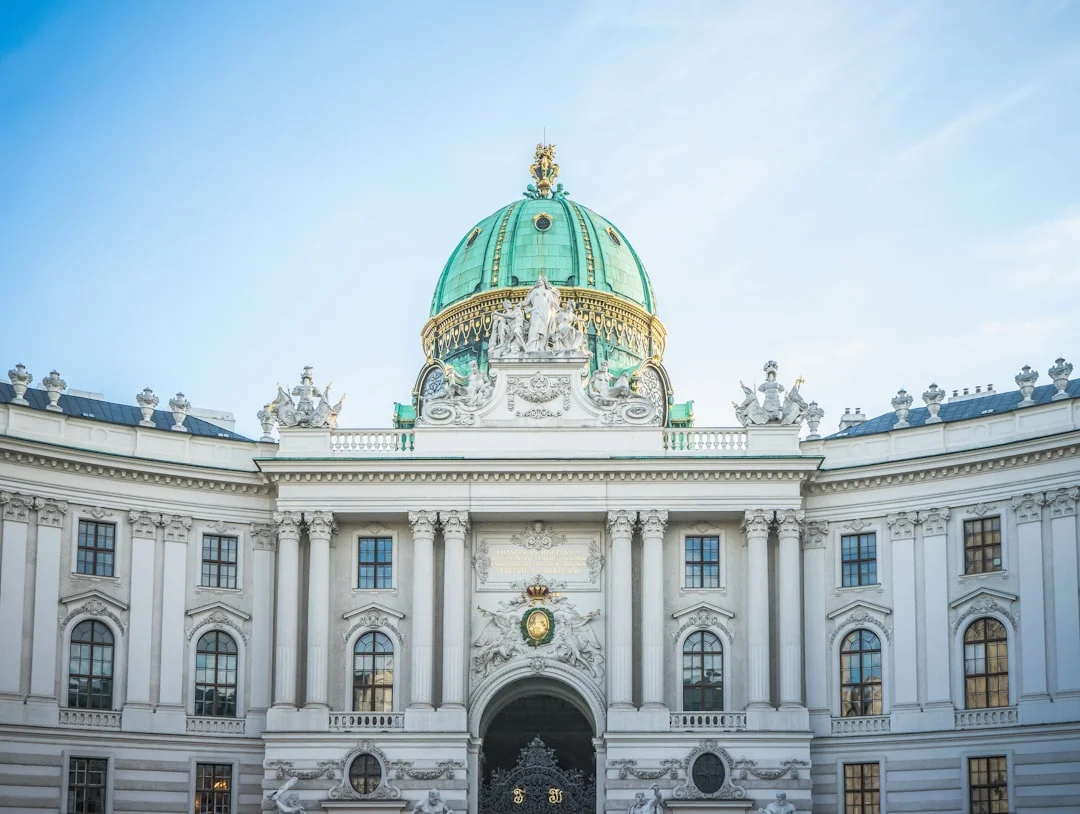
Europe hidden luxury hotel openings 2026 are reshaping the in-city luxury landscape, particularly in Italy’s lake district and Rome, where heritage properties are being reborn as modern, tech-forward benchmarks. In early 2026, two high-profile openings underscored a trend toward restored palazzi and urban palaces that blend centuries-old architecture with contemporary amenities. Corinthia Rome began welcoming guests with reservations from February 2026, and Palazzo San Gottardo Lake Como, a Radisson Collection Hotel, officially opened on February 10, 2026, signaling a deliberate revival of historic European landmarks as luxury hospitality venues. These developments illustrate a broader European appetite for discreet, yet deeply experiential luxury that leans on heritage, design, and guest-centric technology to differentiate in a crowded market. This coverage, part of the Europe hidden luxury hotel openings 2026 narrative, highlights how in-city palaces are being reset for a new era of travel. (corinthia.com)
The momentum extends beyond Italy. In the first half of 2026, several European luxury brands expanded their footprints with boutique or heritage-led properties, underscoring a shift toward localized, culturally resonant experiences that still deliver five-star service and globally recognizable brands. For instance, Mama Shelter Lake Como is slated to open mid-2026 as part of Ennismore’s Europe-wide expansion, bringing a playful, design-forward approach to a prestigious Italian lakeside destination and signaling how “hidden” luxury can coexist with brand-driven guest experiences in historic settings. The announcement form and scope of Ennismore’s 2026 openings highlight a broader pattern: European luxury travel is increasingly anchored in places with strong local character, a willingness to renovate, and a readiness to embrace digital guest experiences without sacrificing the sense of place. (ennismore.com)
Technology and market trends are inexorably linked to these openings. Industry observers note that 2026 is shaping up as a year when hotels converge data, automation, and human hospitality to create highly personalized guest journeys. Tech-forward features such as AI-powered guest services, mobile-access rooms, and integrated data platforms are becoming differentiators at the ultra-luxury end of the market. The European openings in early 2026 leverage these shifts—Palazzo San Gottardo Lake Como and Corinthia Rome, for example, pair restored architectural grandeur with modern spa concepts, dining venues curated by acclaimed chefs, and sophisticated digital guest interfaces designed to streamline service while preserving a bespoke, intimate feel. Analysts emphasize that the coming years will see hotels increasingly rely on unified tech stacks to enhance yield, personalization, and operational efficiency, a dynamic clearly visible in Europe's 2026 openings. (radissonhotels.com)
Opening Paragraphs: The News, the Context, and the Stakes
The news is clear: Europe’s luxury hotel scene is redefining what “hidden” means in 2026. In Rome, Corinthia Rome opened for reservations in February 2026, marking the brand’s debut in Italy and setting a new standard for a grand boutique experience within Campo Marzio, near the Pantheon and Spanish Steps. The property blends restored 20th-century architecture with contemporary Italian design, guest rooms, and suites that balance historic charm with modern comfort. In Como, Palazzo San Gottardo Lake Como has been reborn as a 70-room Radisson Collection property, delivering a refined urban-lakeside ambience with three dining concepts and a dedicated spa—an opening that brings a new level of luxury to Lake Como’s already high-end guest ecosystem. The two openings together illustrate how Europe is witnessing a wave of “in-city palaces” being repurposed or redesigned to deliver deeply local luxury with global benchmarks. (corinthia.com)
This year’s openings also emphasize a broader, data-driven market reality: luxury hotel demand in Europe remains resilient, with tourists and business travelers seeking experiences that marry heritage with contemporary luxury. In Como, industry coverage frames Palazzo San Gottardo Lake Como as a landmark revival—an emblem of how historic architecture can host a modern, wellness-forward hospitality program while maintaining a sense of place. Corinthia Rome leverages a similar philosophy, turning a historic 1914 building into a 60-room, 21-suite property that integrates Carlo Cracco’s culinary program across three venues and a spa housed in the former bank vault. The immediate impact is evident in higher visibility for these neighborhoods, a potential uptick in local employment, and a signal to investors that European luxury markets remain attractive when combined with strong design, provenance, and tech-enabled guest services. (radissonhotels.com)
Section 1: What Happened
February 2026 Openings in Italy
Corinthia Rome Takes Reservations, February 2026
Photo by Ish Consul on Unsplash
Corinthia Hotels announced that Corinthia Rome would begin taking reservations from February 2026, positioning the property as a first Italian outpost for the brand. The hotel sits within the historic former Bank of Italy headquarters on Piazza del Parlamento and reimagines 9,700 square meters of space into a grand boutique hotel with 60 rooms, including 21 suites. The architectural transformation preserves frescoes and marble while integrating contemporary interiors and a culinary program curated by Carlo Cracco across multiple outlets, including Ocra Bar, Viride, and Piazzetta. The project is described as a “grand boutique” experience that aligns with Corinthia’s global positioning while anchoring in Rome’s Campo Marzio neighborhood, close to major cultural and political sites. This opening marks a notable moment for Italian luxury hospitality and signals a wave of high-end property reinvestment in historic assets. (corinthia.com)
Palazzo San Gottardo Lake Como Joins Radisson Collection, February 10, 2026
Radisson Hotel Group formally opened Palazzo San Gottardo Lake Como, A Radisson Collection Hotel, bringing the brand’s luxury ouput to Como for the first time. The 70-room property is housed in a 1926 palazzo restored to contemporary standards, with three dining concepts (Radiante, Lumi Rooftop Bar & Restaurant, and Caffè Lariano) and a spa, all designed to balance heritage with a modern wellness-focused guest journey. The opening is framed as a strategic move for Radisson Collection into one of Italy’s most coveted destinations—Como—where guests seek both lakefront scenery and authentic Italian luxury. Leadership quotes emphasize the hotel’s role as a new landmark for understated luxury that blends local heritage with elevated service. (radissonhotels.com)
Mama Shelter Lake Como: Mid-2026 Debut Highlights European Design-Forward Luxury
Ennismore’s Europe-focused openings for 2026 include Mama Shelter Lake Como, a project designed to fuse Mama Shelter’s signature playful design with a refined luxury experience in a historic lakeside setting. The property spans two new buildings and features 150 rooms, including 21 suites, and multiple dining venues, including a rooftop bar, with strong emphasis on social spaces and accessible yet elevated design. The announcement notes that opening is planned for mid-2026, fitting Ennismore’s broader strategy of bringing its distinctive lifestyle brands to Europe’s premier luxury destinations. This development illustrates how “hidden luxury” can be achieved through a curated mix of bold branding, local culinary associations, and architecture that honors the lake’s natural and urban fabric. (ennismore.com)
Other European Developments in Ennismore’s 2026 Lineup
The Ennismore document also notes additional European openings in 2026 that broaden the brand’s footprint, including Delano London, Morgans Originals in Paros, and expansion of Mama Shelter into Cape Town, Greece, and elsewhere. While not all details are fully cataloged in every release, the core message is clear: 2026 represents a pivotal year for European luxury lifestyle brands expanding into in-city and lakeside destinations with a focus on experiential dining, wellness amenities, and immersive design. This portfolio expansion underscores the competitiveness of Europe’s luxury segment and the role of creative brand architecture in differentiating new openings. (ennismore.com)
Uncertainties and Forward Look: Baccarat Rome and Other High-Profile Debuts
Several outlets have reported on Baccarat Hotel Rome as a potential late-2026 or early-2027 opening, highlighting the property’s planned Grand Salon, terraced restaurant with Via Veneto views, and a rooftop bar and lounge. However, there is inconsistent reporting on the precise opening date, with some outlets projecting late 2026 and others suggesting spring 2027 given financing and development timelines. Industry coverage reflects this ambiguity, with some sources marking Baccarat Rome as a forthcoming 2026 opening and others indicating a potential delay into 2027. Readers should monitor official brand communications for the most authoritative dates as 2026 progresses. (theopeninglist.com)
Context note: The “hidden luxury” framing in 2026 is being shaped by a blend of historic restoration projects, strategic brand entries, and boutique-scale restorations that emphasize local culture, culinary partnerships, and distinctive design. While some openings are confirmed with fixed dates (e.g., Corinthia Rome, Palazzo San Gottardo Lake Como), others remain subject to timing shifts due to construction, regulatory approvals, or financing cycles. The coming months will likely bring clarifications as hotels finalize soft openings, press releases, and guest programs.
What Happened: A Snapshot of Key Facts and Timelines
- Corinthia Rome: Reservations opened in February 2026; 60 rooms, 21 suites; three F&B venues curated by Carlo Cracco; wellness and spa features integrated in a historic building on Piazza del Parlamento. The project marks Corinthia’s Italian debut and signals a broader push into grand boutique properties in Europe. (corinthia.com)
- Palazzo San Gottardo Lake Como, A Radisson Collection Hotel: Official opening announced February 10, 2026; 70 rooms and suites; three dining concepts; spa; a location that fuses a century-old palazzo with modern luxury and private lake experiences. This property represents Radisson Collection’s Como debut and extends the brand’s Italy footprint at a high-clarity luxury tier. (radissonhotels.com)
- Mama Shelter Lake Como: Opening planned for mid-2026; 150 rooms including 21 suites; two new buildings; a design-forward, social-centric hospitality approach aligned with Ennismore’s Europe expansion. The opening underscores how designers and operators are reimagining luxury to be more approachable while staying deeply immersive. (ennismore.com)
Section 2: Why It Matters
The Market Implications of Europe’s Hidden Luxury Openings 2026
A Renewed Emphasis on Heritage, Place, and Experience
These openings reflect a broader European market pattern: luxury travel buyers increasingly seek properties that fuse historical significance, architectural integrity, and contemporary wellness and dining experiences. The reinvention of Palazzo San Gottardo Lake Como as a Radisson Collection flagship, with a restored 1926 facade and modern interior, demonstrates demand for authenticity married with luxury comfort. The focus on heritage assets in Rome and Como aligns with a sustainable, place-based luxury approach that resonates with high-end travelers who value culture, provenance, and intimate scale. Hospitality coverage and industry observers highlight Como as a “new strategic front” for luxury groups, underscoring the destination’s enduring appeal for discerning travelers and investors alike. (radissonhotels.com)
Italy as a Competitive Hotspot for Luxury Openings
The February 2026 openings in Rome and Lake Como illustrate Italy’s central role in Europe’s luxury hotel growth. The Corinthia Rome project, with a storied building and a chef-driven culinary program, and the Como Palazzo San Gottardo, with strategic lakefront access and three dining venues, demonstrate that Italy remains an attractive launchpad for ultra-luxury concepts that blend local culture with global service norms. The Italian market’s combination of cultural heft, culinary leadership, and a robust domestic and international traveler base creates a favorable environment for such investments, especially when tied to heritage structures that can be modernized without erasing their sense of history. (corinthia.com)
The Role of Technology in Elevating European Openings
Technology is not merely a back-end enabler in these openings; it is a core component of guest experience, safety, and efficiency. Industry analyses emphasize that AI-driven revenue management, unified data platforms, and guest-facing digital tools (mobile check-in, digital keys, personalized service) are increasingly foundational to luxury hospitality. For European openings in 2026, these tech layers accompany restored grandeur, enabling properties to deliver highly personalized experiences at scale while maintaining the privacy and discretion expected at the luxury tier. Analysts and trade publications show a trajectory toward more integrated tech ecosystems in luxury hotels, with AI and automation shaping everything from room environments to guest communications and service delivery. This convergence of heritage and tech is a defining trend for Europe’s 2026 openings. (hospitalitynet.org)
Impacts on Local Economies, Jobs, and Urban Identity
Beyond brand prestige, new openings in historic centers and lakeside towns can contribute to local economies through hospitality employment, supplier ecosystems, and tourism activity. In Como, the Radisson Collection launch and related dining and spa concepts create a local ecosystem around a landmark property, potentially boosting employment and ancillary businesses. Likewise, Rome’s Corinthia project, with a significant restoration and a high-end restaurant program, can spur short- and medium-term employment and long-term demand for premium services, including guiding services, culinary partnerships, and boutique retail. The market signals from these openings suggest a resilient luxury segment that can support local economies while preserving the unique urban identities that travelers seek when visiting iconic European cities. (radissonhotels.com)
The Broader Context: Europe’s Luxury Landscape and the Hidden-Openings Narrative
In early 2026, travel and hospitality publications identified a running list of European luxury openings, underscoring a shift toward heritage-driven, design-forward experiences. Industry trackers note that European cities and lake districts are increasingly appealing to luxury buyers who want immersive cultural experiences, not just a high thread count. The concept of “hidden luxury” is being realized through properties that emphasize intimate scale, bespoke interior design, curated culinary experiences, and the integration of wellness programs with a sense of place. This trend is part of a larger global move toward experiential luxury—where guests prioritize meaningful, locally rooted experiences over generic five-star amenities. While iconic brands continue to expand, the European scene is seeing a wave of boutique and heritage-led openings that distinguish themselves through provenance, architecture, and a curated guest journey. (ennismore.com)
Section 3: What’s Next
Timeline and Next Steps: What to Watch in 2026 and Beyond
Near-Term Milestones to Watch
- February 2026 milestones: Corinthia Rome began accepting reservations in February 2026, cementing an early-year anchor for Europe’s luxury openings in Rome. The property’s 60 rooms and 21 suites, along with Carlo Cracco’s culinary program and multiple dining venues, set expectations for a high-profile revival of a historic building into a luxury destination. (corinthia.com)
- February 10, 2026 milestone: Palazzo San Gottardo Lake Como opened as a Radisson Collection Hotel, delivering 70 rooms and suites, three dining concepts, and a spa. The Como opening marks a notable expansion of Radisson Collection in a historic European city that continues to attract luxury travelers seeking intimate, refined experiences. (radissonhotels.com)
- Mid-2026 milestone: Mama Shelter Lake Como is slated to open mid-2026, adding a design-forward, social-centric option to the Lake Como luxury ecosystem and broadening Ennismore’s European footprint. The 150-room property with 21 suites and multiple F&B venues exemplifies the brand's approach to making luxury approachable without sacrificing specificity of design or guest experience. (ennismore.com)
Longer-Term Openings and Market Watchers
- Baccarat Hotel Rome: Ongoing speculation surrounds Baccarat’s first European property in Rome. While some outlets project a late-2026 opening, others anticipate 2027 given financing and construction timelines. This divergence highlights the importance of waiting for official brand communications to confirm the precise date. Observers note the property’s planned features—a terraced restaurant with Via Veneto views, a Grand Salon, and a rooftop bar—could position it as a defining later-in-2026 or early-2027 addition to Europe’s luxury hotel roster. (theopeninglist.com)
- Other European openings: Industry reporting continues to track a growing pipeline of luxury properties across Europe, including other boutique and heritage-led hotels that align with the “hidden luxury” concept. While not every project has a fixed opening date, the aggregation of credible reports points to a sustained momentum through 2026 and into 2027 as investors capitalize on strong demand for culturally resonant luxury experiences. Readers should follow official brand channels for the latest confirmations as the year unfolds. (luxurytravelmagazine.com)
What’s Next for Technology Adoption and Guest Experience
As European luxury openings expand, the technology dimension will become more pronounced. Analysts anticipate that new properties will deploy integrated guest-facing platforms (mobile check-in, digital keys, contactless payments) alongside AI-backed revenue management and guest preference engines. The convergence of heritage architecture with state-of-the-art guest technologies is expected to deliver more personalized stays with a heightened emphasis on privacy, security, and sustainability. Industry studies emphasize a shift toward data-driven, guest-centric operations, where the guest journey is orchestrated by AI-enabled systems that respect luxury’s human touch. European openings in 2026 thus provide a proving ground for how tech can augment, rather than replace, the nuanced interactions that define luxury hospitality. (hospitalitynet.org)
Author
Aria Nakamura
2026/06/17
Aria Nakamura is a travel journalist with Japanese and American roots, specializing in luxury hospitality reviews. She has spent over a decade exploring boutique hotels across Asia and Europe, capturing the nuances of each locale.


