Drones in Luxury Hotel Operations 2026: Elevating Service
Neutral, data-driven analysis of drones in luxury hotel operations 2026 and their impact on service, safety, and guest experiences.
Drones in luxury hotel operations 2026 is increasingly moving from novelty to a structured element of guest experience and property management. In a year marked by rapid advances in robotics, AI-enabled services, and safety regulations, luxury brands are piloting and scaling drone-enabled programs that aim to differentiate properties while controlling costs and footprint. The Westin Maui’s forthcoming drone light show as part of its Fourth of July celebration highlights how drone choreographies can substitute for traditional pyrotechnics, offering a more sustainable, media-ready experience for discerning guests. This development comes as part of a broader industry shift toward observable, data-driven demonstrations of technology-enabled service, especially within upscale properties that historically emphasize privacy, comfort, and curated experiences. The story of drones in luxury hotel operations 2026 is not just about spectacle; it also signals how hotels are balancing guest expectations, safety compliance, and operational efficiency in a changing regulatory and tech landscape. (businesswire.com)
Across the industry, luxury properties are experimenting with drone-based experiences that extend beyond entertainment. In late 2025 and into 2026, major hospitality outlets have highlighted cinematic drone tours to showcase spaces—from foyers to suites and event venues—during marketing and for high-profile events. For example, Marriott-affiliated properties have showcased drone tours that capture the guest journey in ways that were previously the preserve of professional film crews, underscoring a growing expectation that guests value immersive, shareable content as part of the brand experience. This trend was identified by Hotel Dive in its 2026 Technology forecast, which noted a cinematic drone tour among the innovations shaping guest engagement in the coming year. (hoteldive.com)
As regulators adjust to new drone realities in 2026, the hospitality sector is navigating a more defined path for safe, scalable drone operations. The European Union formally rolled out drone rules in 2026 under Drone Strategy 2.0, with an emphasis on safety, security, and integration with broader transport and infrastructure plans. The European Commission and its agencies (including EASA) are implementing a framework that covers open and specific categories, pilot competencies, and Remote ID requirements. In the United States, the Federal Aviation Administration (FAA) continues to publish safety briefs and guidance that influence how hotels can deploy drones for guest-facing and back-of-house applications. These regulatory developments are not abstract: they directly affect how luxury properties plan events, operate exterior tours, and manage inventory and security concerns. (ec.europa.eu)
Opening paragraphs (lead with the news, why it matters, and immediate impact)
- The Westin Maui Resort & Spa, Kāʻanapali announced a weeklong Fourth of July program for July 1–6, 2026 that features a drone light show as a centerpiece, replacing conventional fireworks for environmental and safety reasons. The event frames drones in luxury hotel operations 2026 as a flagship example of how upscale destinations are integrating drone-based experiences into major annual programs. The show, described as a choreographed drone light finale over Kā‘anapali, will run alongside a broader slate of activities designed to appeal to families, couples, and culture-focused travelers seeking sustainable luxury. This initiative, part of the property’s heritage as a leader in innovative guest experiences, suggests a growing appetite for visible, scalable drone deployments that can be leveraged for future events and marketing campaigns. Revenue and occupancy implications are still being assessed, but early indicators point to enhanced guest satisfaction and broader media reach for the property and its parent brand. (businesswire.com)
- The broader hotel industry is watching the Westin Maui experiment closely, because the meme of drones in luxury hotel operations 2026 extends beyond spectacle. In 2025 and 2026, properties across North America and Europe have begun integrating cinematic drone tours into their marketing collateral, product launches, and experiential programming. In several cases, drone-based demonstrations supplement live performances and media events, capturing hotel interiors and exteriors from new perspectives and enabling real-time content creation for social and press channels. For example, a 2025 article highlighted a drone tour of the Times Square edition of Marriott’s portfolio, illustrating how a drone can illuminate the guest journey from check-in to return, and how such content can become a durable asset for luxury branding. (hoteldive.com)
- The regulatory backdrop for these activities is rapidly maturing. In Europe, 2026 brought a more explicit drone framework, with a focus on safe operations near people and in urban environments, and ongoing work to standardize training, licensing, and remote identification. In the United States, the FAA’s 2026 safety materials continue to shape how hotels can implement exterior deployments and event-based drone shows. The convergence of clear regulations and high guest expectations is driving a more disciplined approach to adopting drones in luxury hotel operations 2026, with hotels prioritizing safety, privacy, and measurable guest value alongside marketing benefits. (ec.europa.eu)
Section 1: What Happened
The Westin Maui drone show announcement
Weeklong Fourth of July celebration with drone light show
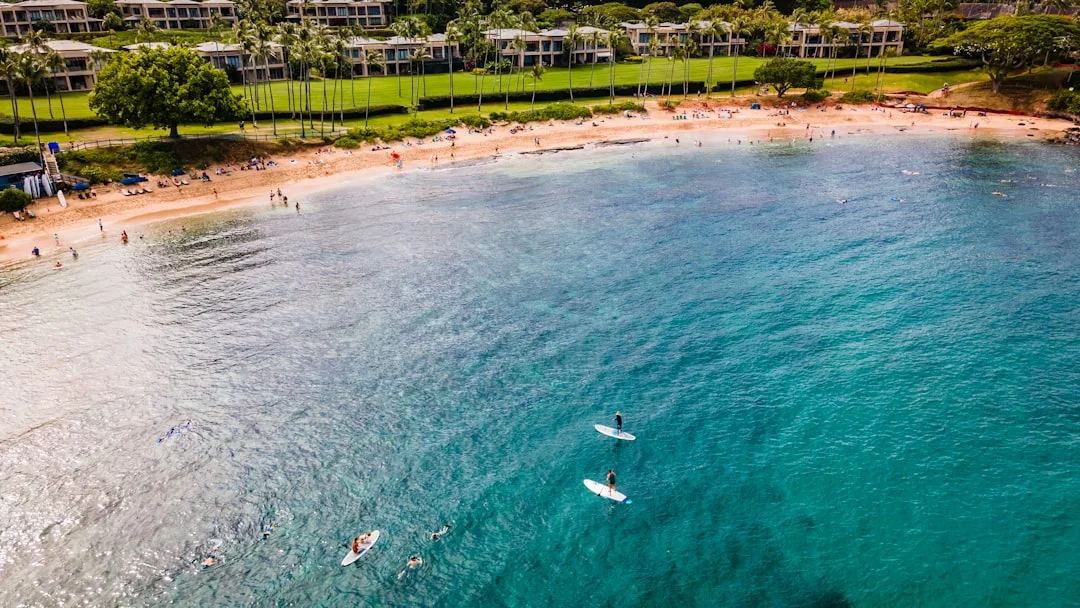
Photo by John Bell on Unsplash
- The Westin Maui Resort & Spa announced a week-long Fourth of July celebration for July 1–6, 2026, featuring a drone light show over Kā‘anapali as a centerpiece designed to replace fireworks with an eco-friendly alternative. This marks one of the earliest and most visible high-profile integrations of drone technology into luxury hotel programming for a major holiday period in 2026. The property is leveraging the drone show to highlight sustainability, innovation, and cultural resonance with Hawaii’s environment and heritage, reframing a traditional celebration through a modern technology lens. (businesswire.com)
The show’s modalities and branding
- The drone light show is described as choreographed, with formations inspired by the ocean and Hawaiian imagery, aligning with the resort’s emphasis on place-based experiences. The show’s branding—“Stars & Stripes Over Maui” package—also integrates a room-and-restaurant offer with a 15% discount on stays and a $250 resort credit, tying guest incentives to the drone-based spectacle. The hotel positions these elements as part of a broader strategy to deliver sustainable, memorable experiences that align with luxury guest expectations and environmental stewardship. (businesswire.com)
Operational details and guest-facing aspects
- Beyond the spectacle, the Westin Maui program demonstrates how a luxury property coordinates a large-scale drone event within a busy resort ecosystem—balancing guest experience, safety, traffic management, and service flow. The show’s integration into a structured weekly program suggests a replicable model for other upscale hotels seeking to incorporate drone-based entertainment into annual calendar events. While the company has not publicly disclosed full budget figures or ROI metrics for the drone show, the press materials emphasize guest engagement, media amplification, and position within a sustainability narrative. (businesswire.com)
Related programs and broader context
- The Westin Maui’s drone show is part of a growing international pattern in which luxury-hotels and resort brands use drone-based experiences to differentiate properties and capture guest attention. In mid-2025, Marriott-affiliated properties showcased a cinematic drone tour that highlighted a guest journey through lobby, suites, and amenities, illustrating how drones are increasingly used for storytelling and marketing rather than solely for operations or security. This broader trend has implications for how luxury brands position themselves in a crowded marketplace, as guest-generated content from drone footage can extend the reach of a property far beyond on-site marketing. (hoteldive.com)
Associated programs and milestones
Marketing and guest engagement tactics
- The drone show at The Westin Maui is complemented by special packages and social storytelling opportunities. The “Stars & Stripes Over Maui” package is designed to convert awareness into bookings while enabling guests to participate in culturally resonant activities (orchid-themed experiences, family-friendly events, and local cuisine). The program’s structure—limited-duration, high-visibility events with bundled incentives—mirrors a trend in luxury hospitality where events, not just rooms, become a primary value proposition. (businesswire.com)
Related drone-based initiatives at luxury properties
- In 2025, a cinematic drone tour showcased at a New York Marriott Marquis demonstrated how a drone can navigate a large hotel complex to tell a guest-journey story from arrival to departure, illustrating how drone content can support branding and guest education. While not a universal practice, these pilots signal a broader appetite among luxury brands for drone-enabled storytelling that complements traditional marketing channels. (hoteldive.com)
Global pilots and partnerships contributing to luxury hotel drone programs
Industry partnerships and technology suppliers
Photo by Antonio Araujo on Unsplash
- While specific vendor contracts for The Westin Maui were not disclosed in public materials, the industry-wide movement toward hotel robotics and drone-enabled experiences suggests a growing ecosystem of suppliers capable of delivering choreographed drone shows, outdoor safety management, dynamic lighting, and on-site coordination with resort operations teams. The broader market context includes ongoing trials and deployments at other luxury hotels and at events within the hospitality sector, pointing to a potential standardization of event-grade drone capabilities in premium properties over the next 12–24 months. (businesswire.com)
Section 2: Why It Matters
Guest experience and brand differentiation
Elevating guest experiences with drone-enabled programs
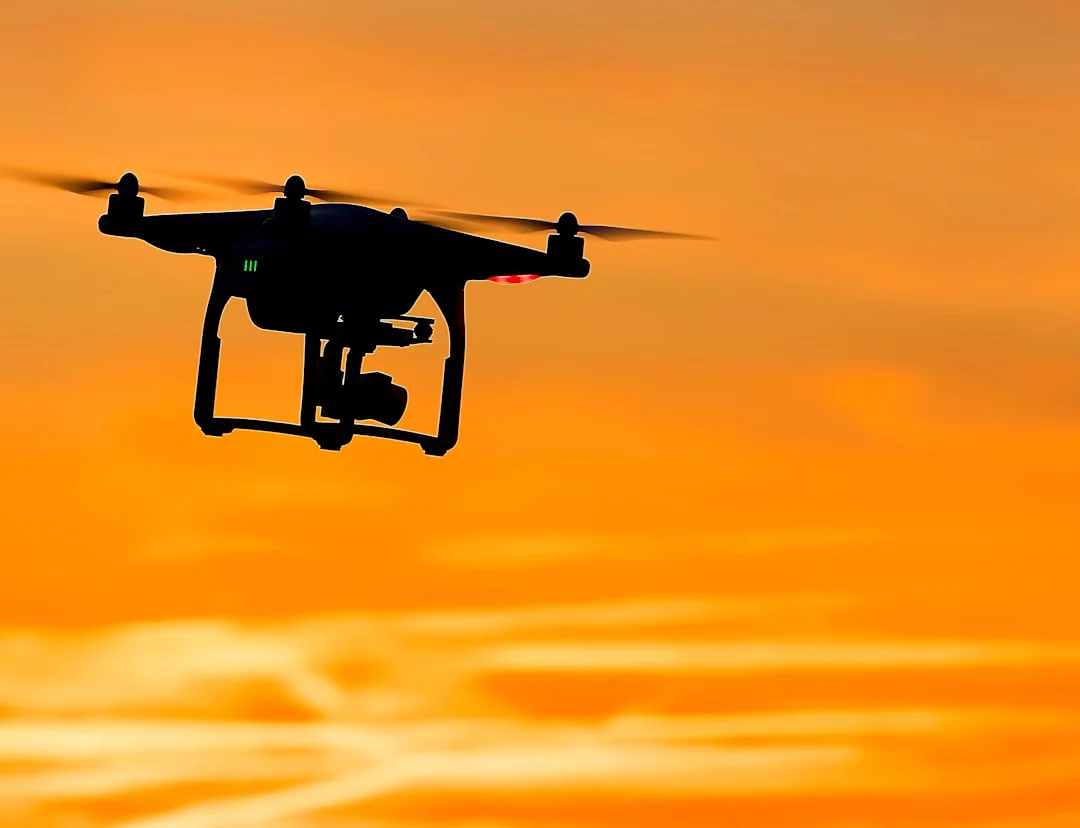
Photo by Ricardo Gomez Angel on Unsplash
- Drones in luxury hotel operations 2026 represent a tangible way for properties to create distinctive guest moments that are shareable across social and traditional media. The ability to deliver a dramatic, synchronized aerial display in place of fireworks aligns with luxury guests’ expectations for premium, sustainable experiences. The Westin Maui drone show exemplifies how a branded event can become a talking point that reinforces a property's place in the premium ecosystem and improves overall guest satisfaction through novelty, safety, and environmental stewardship. This aligns with broader hotel technology trends that emphasize high-touch experiences delivered via innovative tools. (businesswire.com)
Marketing efficiency and content asset creation
- The Cinematic drone tour at New York Marriott Marquis in 2025 demonstrates the potential of drone footage to create ongoing marketing assets that extend well beyond a single event. For luxury brands, such assets can be repurposed for virtual tours, social campaigns, and targeted promotions, reducing the need for multiple production crews and enabling consistent storytelling across channels. In a market where luxury consumers frequently compare experiences, the ability to capture the spatial grandeur of a property from unique angles provides an incremental advantage in translating brand promise into perceived value. (hoteldive.com)
Operational efficiency, safety, and back-of-house integration
How drones influence operations in luxury properties
- While much of the public discourse centers on drone entertainment, hotels are also exploring operational applications that could impact staffing, security, and facility management. The hospitality technology community has identified drone-assisted workflows as part of a broader suite of automated and robotic solutions designed to reduce frictions in guest services and housekeeping, particularly when paired with AI and sensor-enabled systems. The ISE 2026 and related hospitality robotics discussions emphasize that robots—and by extension, drone platforms—can act as the connective tissue for modern, scalable properties. The implication for luxury hotels is a potential shift toward more predictable, data-driven service delivery that preserves a high-touch guest experience while controlling costs. (iseurope.org)
Safety, privacy, and regulatory considerations
- The move to drone-enabled programming in luxury hotel operations 2026 must be anchored in robust safety and privacy controls. In the United States, the FAA’s safety briefings and drone operation resources provide a framework for event-based or exterior drone flights near resort guests, with flight operations subject to licensing, airspace authorizations, and Remote ID requirements. In Europe, the EU's 2026 regulatory updates emphasize standardized classifications, pilot qualifications, and the need to ensure counter-drone security without impeding legitimate hospitality activities. Hotels planning drone deployments need to ensure compliance across jurisdictions, conduct risk assessments for outdoor operations near guests, and coordinate with local authorities to minimize disruptions and safety concerns. (faa.gov)
Broader market context and competitive landscape
Trends shaping drone adoption in luxury hospitality
- The hospitality technology sector in 2026 is characterized by a broader embrace of automation and AI-enabled services, including drone-enabled experiences as a differentiating feature rather than a stand-alone novelty. Industry coverage in Hotel Dive and related outlets suggests that luxury brands are moving beyond piecemeal pilots toward more integrated strategies that tie drone experiences to guest journey mapping, on-site marketing, and sustainability narratives. As operator businesses consider ROI, hotels are evaluating how drone-based experiences translate into longer dwell times, higher incremental spend, and stronger word-of-mouth referrals. (hoteldive.com)
Regulatory and risk management implications for the luxury segment
- The regulatory environment matters for risk management, investment planning, and the ability to scale programs across flagship properties. The EU’s 2026 drone framework and FAA materials underscore a move toward clarity, training requirements, and interoperability with broader airspace rules. For luxury brands, meeting these standards is essential to sustaining guest confidence while enabling creative programming. The conversation around drones in luxury hotel operations 2026 is, in part, about balancing ambition with compliance, ensuring that safety and privacy are respected as a baseline for any guest-facing aerial program. (ec.europa.eu)
What’s Next
Timeline and next steps for drone programs in luxury hotels
Short-term milestones for 2026
- In the immediate term, properties like The Westin Maui will leverage the July 1–6, 2026 drone show as a proving ground for scheduling, guest flow, and event logistics in drone-enabled programming. The milestone serves as a model for scalable event-level drone deployments that could be adapted for other holidays or property anniversaries. The presence of a structured promotion around the event indicates a broader strategy to embed drone experiences into annual calendars across select luxury properties. The objective is to demonstrate guest value, media amplification, and ROI via incremental bookings and branded content. (businesswire.com)
Medium-term plans and potential rollouts
- The industry’s trajectory suggests a pipeline of pilot programs and expansions to additional luxury properties, with drone-enabled experiences extended to marketing tours, curated guest journeys, and possibly in-room or concierge-related demonstrations that do not compromise guest privacy. The cinematic drone-tour concept from 2025 points to a repeatable approach for showcasing space and amenities to prospective guests and corporate clients, potentially evolving into a standardized marketing tool for premium portfolios. As part of this, hotels may pilot joint ventures with drone providers and media partners to create recurring, modular drone experiences aligned with seasonal campaigns. (hoteldive.com)
What to watch for and key indicators
- Regulators and operators will continue refining standards for open and specific drone operations near people and in urban settings. Watch for updates to Remote ID requirements, C-class/Categories classifications in Europe and the UK, and any national/regional pilots focused on aviation safety and counter-drone measures. The regulatory backdrop will influence the speed and scale of deployment for luxury hotels, as well as the types of experiences hotels can responsibly offer. Additionally, industry analysts will monitor the ROI of drone programs, particularly in terms of guest sentiment, social media engagement, and incremental revenue from events and partnerships. (easa.europa.eu)
Vendor ecosystems and collaboration opportunities
- As drone-based programming grows, luxury hotels may seek deeper partnerships with drone hardware providers, software platforms for flight planning and safety, and entertainment firms specializing in choreographed light shows. The broader robotics and automation ecosystem for hospitality also includes non-drone solutions—robotics platforms for front- and back-of-house services—that can complement aerial displays with ground-based automation. The PR Newswire report on a world’s-first robot-serviced hotel project demonstrates the breadth of automation investment in hospitality, a trend that can intersect with drone programs to deliver end-to-end experiential services while maintaining high service standards. (prnewswire.com)
Closing
Drones in luxury hotel operations 2026 present a compelling case study in how premium brands are marrying spectacle with sustainability, guest-centric experiences, and disciplined safety management. The Westin Maui’s drone show is a concrete, high-visibility example of how drone-enabled experiences can be woven into flagship events, brand storytelling, and guest engagement strategies without resorting to traditional fireworks. As properties weigh the cost and complexity of drone programs, the industry is likely to see a more deliberate, governance-focused approach to aerial guest experiences that prioritize safety, privacy, and measurable guest value.
In the months ahead, luxury hotels will continue to test drone-enabled experiences alongside broader automation initiatives, AI-assisted guest services, and robotic back-of-house support. The regulatory landscape—both in the United States and Europe—will shape the pace and scope of these programs, pushing operators to emphasize risk assessment, staff training, and collaboration with local authorities. As this technology becomes more integrated into the fabric of luxury hospitality, guests can anticipate a more immersive, context-driven guest journey, where drones contribute to memorable moments, not merely attractions. For readers and industry observers seeking to stay informed about drones in luxury hotel operations 2026, the ongoing convergence of marketing innovation, safety standards, and guest value signals that 2026 could be a defining year for aerial hospitality experiences.
To stay updated on developments, monitor authoritative hospitality technology outlets, regulatory agency updates, and property-level press releases from premium brands that are actively piloting drone-enabled experiences. The landscape is evolving rapidly, and 2026 is shaping up to be a pivotal year for the integration of drones into luxury hotel operations, with potential implications for branding, operations, and guest expectations across the global luxury segment. (businesswire.com)
Author
Ravi Patel
2026/06/10
Ravi Patel is a seasoned travel writer from India, with expertise in sustainable tourism and eco-friendly resorts. His work has been featured in numerous international publications, advocating for ethical travel practices.


