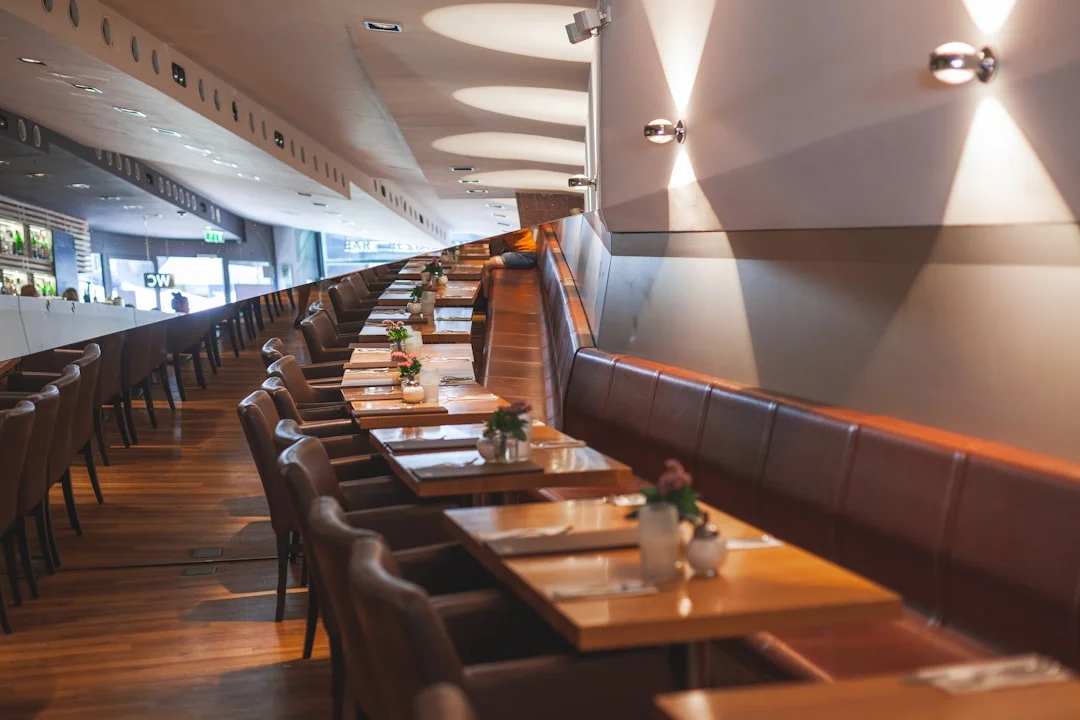
Celebrity Chef Movements 2026 Luxury Hospitality
Neutral, data-driven analysis on celebrity chef movements shaping 2026 luxury hospitality, including hotel openings and menu innovations.
The hospitality industry is watching a defining trend unfold in 2026: celebrity chef movements in luxury hotels are becoming a core driver of brand identity, guest engagement, and revenue strategy. In a year marked by bold openings and culinary residencies, hotels are aligning with Michelin-starred and globally renowned chefs to anchor signature dining concepts, create differentiated guest journeys, and leverage technology to personalize service without sacrificing the human touch. This news-driven analysis examines the who, what, where, and why behind the celebrity chef movements 2026 luxury hospitality, and what hoteliers, investors, and travelers should expect as openings accelerate across Europe, the Middle East, Asia-Pacific, and the Americas. Early 2026 data from industry trackers and brand announcements show a deliberate pivot from traditional hotel-led culinary leadership to chef-led partnerships and multi-property culinary programs that travel with a brand’s portfolio. The trend is reshaping not only menus, but also the broader guest experience, loyalty dynamics, and capital allocation in luxury markets. (michelinkeyhotels.com)
The first half of 2026 has already delivered a robust benchmark for what’s to come: a wave of luxury openings paired with high-profile chef leadership, spanning historic restorations and bold new builds. Conrad Corfu opened in May 2026 with a resort-scale dining program, while the Waldorf Astoria London Admiralty Arch set an April 2026 opening cadence that signals a flagship role for culinary leadership in a capital city. Across the continent, Rosewood Blue Palace Crete debuted in June 2026, and St. Regis London followed with a summer launch that further cements Europe as a focal point for chef-driven storytelling in hospitality. In parallel, the Orient Express Venezia at Palazzo Donà Giovannelli opened in April 2026 and the Orient Express Corinthian—launched as a fleet concept—began sailing with curated dining experiences tied to renowned chefs in June 2026. These milestones, detailed in industry briefings, highlight how the chef-led model is becoming a strategic differentiator as brands seek to translate local terroir and global prestige into measurable demand. (michelinkeyhotels.com)
Section 1: What Happened
Global openings shaping the 2026 luxury map
- Conrad Corfu, Greece — Opening May 2026. Hilton’s Conrad brand pushes into upscale, nature-forward luxury with a multi-restaurant dining program and wellness-forward amenities designed to resonate with Mediterranean-sea travelers seeking curated experiences. (michelinkeyhotels.com)
- Waldorf Astoria London Admiralty Arch — Opening April 2026. The project positions a landmark space for high-end dining collaborations and immersive experiences in a city renowned for fine dining and design storytelling. (michelinkeyhotels.com)
- Rosewood Blue Palace Crete — Opening June 2026. The Crete resort emphasizes privacy, wellness-forward programming, and a Mediterranean dining program that leverages local produce and a refined service model. (michelinkeyhotels.com)
- St. Regis London — Opening Summer 2026. A key urban anchor, blending bespoke service with a culinary program designed to attract global luxury guests and local residents seeking elevated experiences. (michelinkeyhotels.com)
- Orient Express Venezia at Palazzo Donà Giovannelli — Opening April 2026. A historic landmark reborn as a luxury destination with a dining program integrated into a multi-sensory travel experience. (michelinkeyhotels.com)
- Orient Express Corinthian — Launching June 2026. The world’s largest luxury sailing yacht redefines sea-based luxury with a cadre of chefs delivering signature dining across itineraries anchored by culinary prestige. (michelinkeyhotels.com)
- Raffles Jeddah and Raffles The Red Sea — Early to Mid 2026. Saudi Arabia’s expansion of mega-luxury hospitality is underscored by a growing appetite for chef-led restaurant brands within new properties. (michelinkeyhotels.com)
- The Lake Como Edition (Edition Hotels) in Italy — Dining leadership by Mauro Colagreco. Edition Hotels leans into chef-led, location-specific programs that fuse culinary artistry with immersive property design. (michelinkeyhotels.com)
Global openings in Asia-Pacific and the Americas reinforce a multi-continent momentum - The Dean Berlin and Borgo Pignano anchor a European wave toward boutique-luxury formats with celebrity-leaning culinary directorships, illustrating a broader mix of intimate properties and grand openings where chefs shape brand identity. (michelinkeyhotels.com)
- The Langham Custom House Bangkok and Imperial Kyoto are among Asia-Pacific openings highlighted as catalysts for a region-wide push into chef-led dining programs, further diversifying where culinary leadership resides in luxury hotels. (michelinkeyhotels.com)
- NoMad Singapore, Conrad Kuala Lumpur, Waldorf Astoria Kuala Lumpur, 1 Hotel Tokyo, JW Marriott Bali Ubud, and Imperial Kyoto appear on Time Out Asia’s opening lists and broader European and Asia-Pacific press roundups, underscoring a synchronized expansion where culinary leadership and design-forward storytelling are central to market capture. (michelinkeyhotels.com)
- In the Americas, the market remains active, with hotel groups pursuing chef-led concepts, cross-property menus, and multi-format experiences designed to translate culinary prestige into guest demand and brand loyalty. The emphasis on “quiet luxury” and curated experiences continues to shape development plans across mountain, resort, and urban settings. (michelinkeyhotels.com)
Chef movements anchor new hotel dining concepts
- Bel Hôtel Oléron — Opening April 2026, with Michelin-starred chef Pierre Gagnaire leading a signature concept that blends land-and-sea elements with local produce to anchor the property’s opening narrative. This case illustrates how a single chef-led restaurant can anchor a brand’s culinary story in a destination setting. (michelinkeyhotels.com)
- Waldorf Astoria London Admiralty Arch — Coreus by Clare Smyth and Café Boulud by Daniel Boulud. The pairing of two marquee chefs at a single site signals a trend toward marquee dining lines within a single address, creating a restaurant ecosystem that supports cross-guest flows and brand storytelling. (michelinkeyhotels.com)
- The broader European dining lineup across Luxury London openings features Michelin-starred or globally renowned chefs who anchor signature restaurant concepts, reinforcing the idea that cuisine leadership is a core lever for brand equity and guest loyalty in luxury travel. (michelinkeyhotels.com)
- The Business Times and other regional outlets underscore a multi-market dispersion of chef moves, including Saki at JW Marriott Tokyo, JIJA by Vicky Lau in Hong Kong, and METT Singapore, highlighting a regional strategy to diversify culinary leadership across Asia-Pacific. The emphasis is on cross-market versatility and menu localization that travels with a chef’s signature branding. (michelinkeyhotels.com)
Strategic crossovers and new formats
- Four Seasons Yachts launching a Chef-in-Residence program ahead of its 2026 debut demonstrates how luxury hotel concepts are extending the chef-led model beyond land-based properties into vessels, enabling rotating culinary leadership that aligns with destinations and itineraries. This broadens the notion of culinary leadership as a holistic brand asset across formats. (michelinkeyhotels.com)
- The Ritz-Carlton Oʻahu, Turtle Bay introduces Town & Country Chef Series, featuring guest chefs such as Sheldon Simeon. The May 23, 2026 premiere and subsequent sessions through September 2026 show how hospitality brands are layering guest-chef concepts into regional programs to create exclusive events that attract locals and travelers while supporting community initiatives. (prnewswire.com)
- The Dior luxury ecosystem expands culinary innovation through Monsieur Dior by Dominique Crenn, announced for House of Dior Beverly Hills and integrated into Dior’s flagship experience. The collaboration demonstrates how fashion and culinary brands are converging in luxury hospitality, offering a model for couture-inspired dining concepts that travel with brand storytelling. This development is supported by multiple sources confirming the press and brand statements around 2025–2026 openings. (media.delawarenorth.com)
Section 2: Why It Matters
Culinary leadership as a differentiator
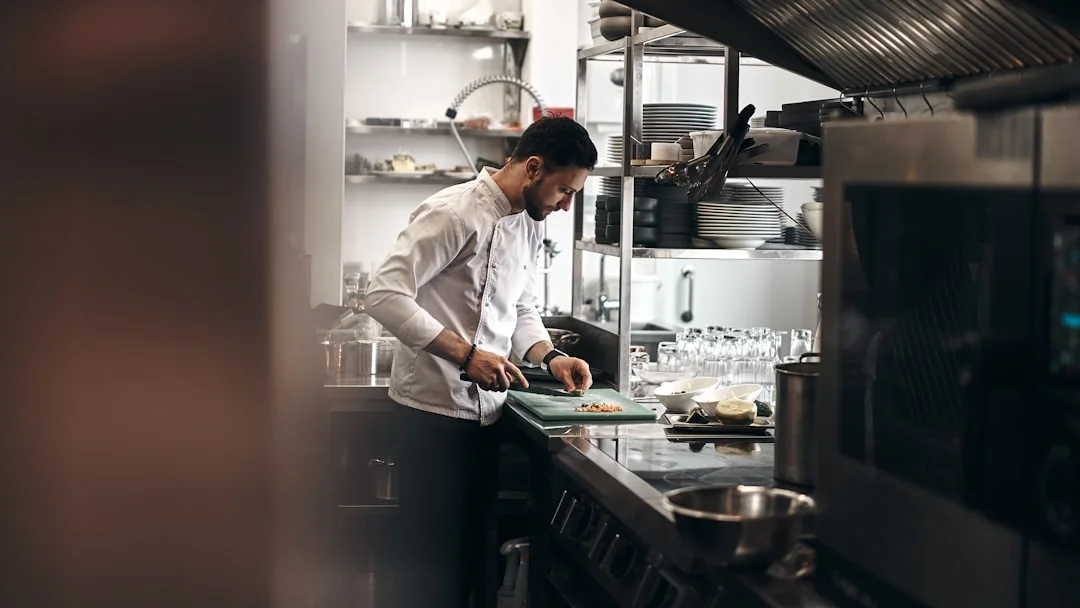
Photo by Pylyp Sukhenko on Unsplash
- The aging model of hotel dining as an internal, functionally separate offering is fading at the highest end of the market. A growing body of industry commentary indicates that chef-led concepts not only anchor brand prestige but also drive guest acquisition, longer stays, and higher per-guest spend. The Business Times’ synthesis and related coverage emphasize that hotels increasingly view Michelin credentials and celebrated culinary directors as a durable competitive moat in crowded luxury segments. “Hotels are partnering with chefs who bring a unique culinary vision and cultural depth to the table,” the Business Times notes, underscoring the strategic value of distinctive culinary leadership for brand storytelling. This shift is echoed in FT coverage of loyalty and AI-enabled booking dynamics, where premium experiences justify higher ADR and foster guest lifetime value through exclusive F&B propositions. (michelinkeyhotels.com)
- The impact is not isolated to a single region. Across Europe, the Middle East, and Asia-Pacific, a wave of openings pairs traditional hospitality grandeur with chef-led programs designed to capture culturally resonant dining experiences, thereby shaping guest expectations and the way luxury stays are priced. The convergence of historical restorations with modern culinary leadership is becoming a hallmark of 2026’s luxury map. (michelinkeyhotels.com)
Technology as a differentiator, not a replacement for service
- Technology is increasingly positioned as a backbone that enhances, rather than replaces, human service. Industry trackers highlight the rapid adoption of contactless check-in, digital keys, mobile wallets, AI-driven guest services, and smart-room ecosystems. The objective is to reduce friction at arrival and during stay while enabling front-line staff to devote more attention to high-value interactions—precisely the kind of personalized, chef-led guest journeys that luxury travelers expect. CoStar’s tech trends for 2026 and associated hospitality software investments point to AI-enabled guest engagement and revenue management as central to the value proposition of new openings. (michelinkeyhotels.com)
- In practice, this means chef-led hotels are more likely to deploy advanced guest analytics to tailor menus, events, and experiences to local demand patterns while preserving a premium, personalized service model. The synergy between culinary leadership and technology is a defining feature of 2026’s luxury openings, reflecting a broader industry trajectory toward data-informed experiences that still feel intimately human. (michelinkeyhotels.com)
Economic and investor implications
- For investors, chef-led partnerships offer a proxy for brand differentiation in ultra-luxury markets. The spread of chef residencies and multi-property culinary programs signals scalable value creation—where a signature restaurant concept can travel across a brand’s portfolio, supporting higher ADR without sacrificing occupancy. The 2026 coverage emphasizes a direct link between culinary leadership and guest engagement, with pricing power and loyalty program evolution playing central roles in maximizing returns. The Financial Times and other outlets cited within the Michelin Key Hotels briefing reinforce this narrative by linking premium pricing, guest satisfaction, and chef-led branding to stronger long-term value. (michelinkeyhotels.com)
- In a dynamic capital environment, the chef-led model also interacts with technology investments and partnerships—such as Mews’ funding round led by EQT and other software ecosystems that orchestrate pricing, guest journeys, and operations at scale. The implication for operators is a need to balance culinary capital with tech-enabled efficiency to maintain margins while delivering high-value, differentiated experiences. (michelinkeyhotels.com)
Geographic and market implications
- Europe remains a central stage for the chef-led luxury playbook, with openings in London, Corfu, Crete, and Berlin illustrating a strategy of blending heritage architecture with contemporary dining leadership. The Middle East’s mega-projects—often anchored by expansive culinary programs—continue to position the region as a hub for high-end, experience-rich hospitality. Asia-Pacific’s rapid expansion features a mix of NoMad and Conrad openings alongside chef-driven concepts, underscoring a regional commitment to culinary identity as a core brand asset. (michelinkeyhotels.com)
What’s Next
A continuing pipeline of marquee openings and new formats
- The near-term horizon for 2026–2027 shows a steady cadence of high-profile openings across Europe, the Middle East, and the Americas, with chef-driven concepts embedded in both new-builds and restorations. The Orient Express Venezia’s ongoing evolution and the Corinthian sailing enterprise demonstrate how chef-led dining can anchor multi-format experiences—from land-based hotels to luxury trains and ships. This cross-format strategy is designed to amplify brand narratives and create durable revenue streams through distinctive F&B experiences. (michelinkeyhotels.com)
- Asia-Pacific’s pace is expected to remain robust, with Tokyo, Bangkok, Singapore, and Kuala Lumpur as focal points for luxury growth and culinary leadership. Time Out Asia and related roundups underscore an expanding map in which no single region dominates, but all are pursuing chef-led differentiation as a core driver of guest demand and brand equity. (michelinkeyhotels.com)
- The U.S. market continues to test new formats at the high end, with U.S.-based openings and expansions reinforcing the global appetite for chef-led concepts and immersive culinary experiences as a central component of the guest value proposition. The U.S. market’s mix of mountain, coastal, and urban openings points to a resilient demand for multi-sensor experiences designed to justify premium pricing. (michelinkeyhotels.com)
Technology roadmap and operating implications
- A key element of the 2026 pipeline is the integration of technology into chef-led experiences. Hotels are piloting AI-assisted guest services, predictive analytics for menus and events, and omnichannel guest journeys that coordinate reservations, in-room experiences, and on-site dining with real-time data. This tech backbone supports the chef-driven model by enabling precise personalization and scalability across multiple properties and formats. (michelinkeyhotels.com)
- Operators are also prioritizing resilience and sustainability in tandem with chef leadership. Wellness, local sourcing, and authenticity are increasingly linked to the guest journey, and technology is being used to showcase provenance, monitor sourcing, and optimize energy use in ways that align with luxury travelers’ expectations. (michelinkeyhotels.com)
What’s Next: Signals to watch for in 2026–2027
- Direct-booking momentum and loyalty program evolution. As hospitality groups scale AI-enabled guest journeys across properties, watch for shifts in loyalty program structures, pricing strategies, and the rate of direct bookings versus OTAs, as highlighted in FT analyses cited by industry trackers. These dynamics will be a bellwether for the commercial viability of chef-led programs at scale. (michelinkeyhotels.com)
- Chef residencies and rotating culinary leadership. The 2026 coverage emphasizes ongoing chef residencies and rotating programs across properties, suggesting a model where culinary leadership can shift seasonally or across portfolios while preserving a consistent brand voice. The Four Seasons Yachts example illustrates how this approach can translate into portable dining concepts that travel with a fleet or brand while maintaining location-specific relevance. (michelinkeyhotels.com)
- Cross-brand collaborations and couture dining experiences. The Monsieur Dior project and similar fashion-hospitality collaborations indicate a broader trend toward integrating couture branding with culinary leadership. As luxury brands explore immersive dining, expect more cross-sector partnerships that fuse design, fashion, and cuisine to create integrated guest experiences that extend beyond meals. (media.delawarenorth.com)
Closing
The celebrity chef movements 2026 luxury hospitality narrative is unfolding as a multi-front strategy aimed at elevating brand storytelling, guest engagement, and financial performance. From Europe’s historic restorations to Asia-Pacific’s design-forward openings, and from ocean-going chef residencies to couture-inspired dining rooms in Beverly Hills, the industry is testing how far culinary leadership can drive value in luxury travel. The data points—opening cadences, chef residencies, and tech-enabled guest journeys—converge to suggest that 2026 marks a shift toward identity-led hospitality where cuisine is not an accessory but a flagship differentiator. For travelers, this means more curated, cuisine-forward experiences; for operators, it means aligning culinary leadership with scalable technology and disciplined capital planning; and for investors, it signals a portfolio approach to culinary branding that can translate into durable revenue streams across markets.
To stay ahead of developments in celebrity chef movements 2026 luxury hospitality, monitor brand calendars and press releases from major luxury groups, track new chef appointments at flagship properties, and watch for technology pilots in newly opened hotels and vessels. As the market proves which formulations deliver the strongest guest engagement and financial returns, the fusion of culinary leadership, design storytelling, and tech-enabled guest journeys will shape how luxury stays are imagined and consumed for years to come. (michelinkeyhotels.com)
Note: This article draws from primary and industry sources detailing 2026 openings and chef movements across leading luxury hotel brands, including Conrad Corfu, Waldorf Astoria London Admiralty Arch, Rosewood Blue Palace Crete, St. Regis London, Orient Express Venezia and Corinthian, Raffles Jeddah and The Red Sea, The Lake Como Edition, Bel Hôtel Oléron, and the Ritz-Carlton Oʻahu Town & Country Chef Series, among others, to provide a data-driven snapshot of the year’s trajectory. (michelinkeyhotels.com)
Author
Ravi Patel
2026/06/16
Ravi Patel is a seasoned travel writer from India, with expertise in sustainable tourism and eco-friendly resorts. His work has been featured in numerous international publications, advocating for ethical travel practices.


