LatAm Biodiversity-forward Luxury Hotel Openings 2026
Data-driven look at LatAm biodiversity-forward luxury hotel openings 2026, highlighting eco-innovation, brand pipelines, and market implications.
The luxury hotel scene in Latin America in 2026 is being reshaped by a distinct emphasis on biodiversity-forward design and sustainability. In February 2026, Hyatt’s Alila Mayakoba became the first Alila-branded resort in Latin America and the Caribbean, signaling a deeper commitment to eco-conscious luxury in a region long celebrated for its biodiversity and pristine ecosystems. The opening marks not only a brand milestone but a broader shift in how luxury hospitality couples high-end experience with nature-positive practices. The property’s debut aligns with Hyatt’s broader push to grow its luxury and lifestyle footprint in CALA, underscoring investor confidence in sustainable luxury as a differentiator in a crowded market. (newsroom.hyatt.com)
Beyond Mexico’s Riviera Maya, Peru’s northern Pacific coast is set to welcome Inkaterra Cabo Blanco in 2026, extending Inkaterra’s legacy of climate-conscious, locally integrated luxury to a new coastline. The project plans a soft opening window beginning mid-2026, with ongoing phased rollouts through the year, reflecting a careful, biodiversity-forward approach that mirrors Inkaterra’s long-running commitment to conservation. This development is part of a regional wave of new eco-luxury properties that prioritize habitat stewardship and cultural authenticity alongside guest comfort. (inkaterra.com)
In Patagonia, Explora is expanding its hallmark circuit with two new lodges—Explora El Calafate and Explora Torres del Paine—targeting a December 2026 launch window. The expansions are designed to knit together Chilean and Argentine landscapes under Explora’s explorations-driven model, emphasizing minimalist, nature-forward architecture and immersive outdoor programs. The openings, positioned to capture peak Patagonian seasons, illustrate how the region is consolidating its status as a premier laboratory for biodiversity-forward luxury experiences. (einpresswire.com)
Meanwhile, Costa Rica’s luxury segment is expanding into the all-inclusive space with JW Marriott Costa Elena Resort & Spa, All-Inclusive in Guanacaste. Marriott and partners have signaled a 2026 debut for this all-inclusive JW Marriott, slated to join the CALA portfolio as one of the brand’s first all-inclusive properties in the region. Coverage suggests a September 2026 timeline, with Marriott confirming Costa Elena as a new all-inclusive flagship for the brand in CALA. The opening is notable not only for brand diversification but for pairing all-inclusive convenience with Costa Rica’s biodiversity-rich environment. (forbes.com)
Colombia adds another biodiversity-forward thread through Bodhi Mente Eco Hotel, an ultra-luxury project announced for 2026 near Tayrona National Park in Magdalena. The property’s positioning around “eco-luxury,” biodiversity, and wildlife-watching experiences highlights a growing willingness among Latin American hoteliers to weave conservation outcomes into the guest experience. Construction planning indicates a 2026 arrival, joining a broader Colombian and regional trend toward nature-led luxury offerings. (bodhimentehotel.com)
Additionally, landmark openings continue in Mexico with Pueblo Bonito Vantage San Miguel de Allende, a distinctly luxury urban property that opened January 22, 2026. While not branded explicitly as biodiversity-forward, the opening signals continued diversification of Latin America’s luxury pipeline into culturally rich and design-forward urban centers, extending the region’s overall premium-hospitality reach in 2026. (hunter-pr.com)
Section 1: What Happened
Alila Mayakoba debuts in Latin America
Opening details and location

Photo by Evelin Horvath on Unsplash
Hyatt Hotels Corporation, in collaboration with RLH Properties, announced the opening of Alila Mayakoba on February 12, 2026, marking Alila’s first property in Latin America and the Caribbean. The resort sits within Mayakoba, a master-planned enclave on Mexico’s Riviera Maya, where mangrove-fringed waterways and Caribbean coastlines converge with resort amenities. The launch is framed as a milestone for eco-conscious luxury in the region, reflecting a deliberate strategy to couple high-end experiences with place-based conservation and wellness programming. (newsroom.hyatt.com)
Design and sustainability approach
Alila Mayakoba’s biophilic design approach emphasizes native materials, local craftsmanship, and landscape integration that minimizes ecological footprint while maximizing guest immersion in place. Hyatt communications highlight “Earth and Clay” rituals, mineral-rich experiences, and ocean-facing wellness components as part of the property’s signature program. The resort’s emergence is presented as a catalyst for broader Latin American sustainability credentials in luxury hospitality, positioning Mayakoba as a model for future brand entries in biodiversity-rich zones. (businesswire.com)
Market impact
Industry observers view Alila Mayakoba as more than a single opening; it’s a signal that luxury brands see tangible value in Latin America’s biodiversity-rich destinations when paired with rigorous ESG standards and local partnerships. The property’s opening feeds into a broader pipeline of CALA luxury openings that balance brand prestige with environmental stewardship, potentially influencing competitors to accelerate green-building and local-conservation commitments in new builds and renovations. (businesswire.com)
Inkaterra Cabo Blanco advances Peru’s Pacific coast eco-luxury
Location and concept
Inkaterra Cabo Blanco represents a strategic expansion for Inkaterra, a brand long associated with biodiversity-forward luxury in Peru. The project targets the northern Pacific coast near Cabo Blanco, a region recognized for its marine biodiversity and coastal ecosystems. Inkaterra has framed Cabo Blanco as a flagship for sustainable luxury, drawing on decades of conservation experience and a portfolio highlighted by recognition from Michelin Keys for sustainability and conservation efforts. The opening is planned as a staged process in 2026, with a soft start to welcome guests as facilities and programs are rolled out in phases. (luxurytravelmagazine.com)
Soft opening timeline and guest experience
Inkaterra’s communications indicate a phased soft opening in 2026, with continued expansion over the months that follow. The Cabo Blanco project is positioned to offer climate-conscious design, locally sourced materials, and wildlife- and coastal-ecosystem-focused programming, reinforcing Inkaterra’s mission to couple luxury travel with conservation outcomes. The company has emphasized the role of private-sector partnerships and regenerative practices as central to Cabo Blanco’s rollout plan. (inkaterra.com)
Industry context
Inkaterra Cabo Blanco sits within a broader trend of high-end brands expanding along Peru’s coast and Amazon-adjacent regions, aligning with consumer demand for biodiversity-rich destinations and responsible tourism. The Cabo Blanco announcement has been echoed by travel media and industry outlets highlighting Inkaterra’s enduring emphasis on sustainable luxury, which positions the brand for continued relevance as travel demand tightens around experiential, nature-first itineraries. (luxurytravelmagazine.com)
Patagonia expansions: Explora adds two new lodges
Opening plan and landscape
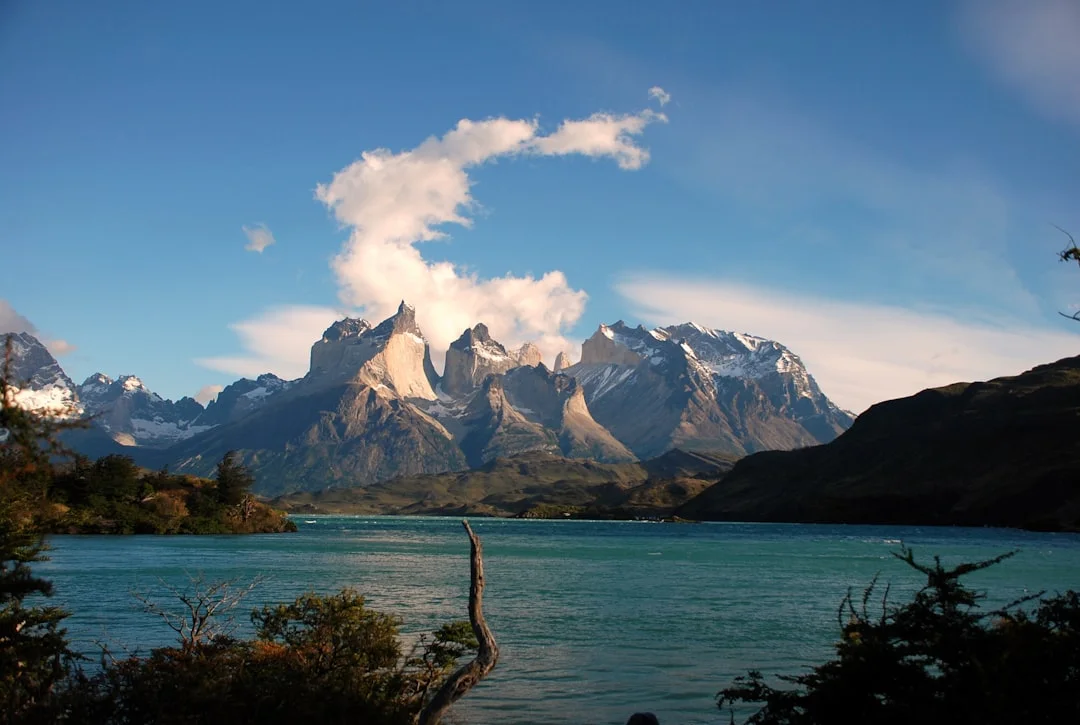
Explora, a key player in Patagonia’s luxury-lodging ecosystem, announced two new properties—Explora El Calafate (Argentina) and Explora Torres del Paine (Chile)—with openings targeted for December 2026. These lodges are designed to join Explora’s network as gateways to the Southern Patagonian landscapes, connecting visitors with guided explorations and immersive experiences across Torres del Paine, El Calafate, and neighboring regions. The projects reflect Explora’s signature approach: sustainable architecture, minimal ecological footprint, and deep collaboration with local communities and guides to offer nature-forward itineraries. (einpresswire.com)
Network strategy and market positioning
Explora’s Patagonia expansion reinforces the brand’s position as a premier supplier of ultra-luxury, eco-centric experiences in one of the world’s most biodiverse and geologically dramatic regions. Analysts note that the Patagonia portfolio expansion complements existing lodges across Chile and Argentina, creating a more integrated circuit for travelers seeking long-form, nature-rich itineraries with curated fields trips and low-impact operations. The expansion also reflects a broader Latin American push to differentiate luxury offerings through conservation ethics and local-scale ecology. (inkaterra.com)
JW Marriott Costa Elena All-Inclusive eyes 2026
Opening plan and regional significance
Marriott International has been moving to bring JW Marriott into an all-inclusive format within the CALA region, with JW Marriott Costa Elena Resort & Spa, All-Inclusive planned for Guanacaste, Costa Rica. The project is framed as a benchmark for the brand’s CALA growth, aiming to combine Marriott’s luxury hospitality standards with Costa Rica’s biodiversity abundance and ecotourism potential. Industry reporting points to a 2026 debut, with some sources projecting a September 2026 opening window, while Marriott has publicly listed the property as part of its CALA pipeline and ongoing development. (forbes.com)
Brand and format implications
If realized, Costa Elena would mark one of the first JW Marriott all-inclusive resorts in CALA, representing a notable diversification of the brand’s portfolio into the all-inclusive category within a biodiversity-rich market. The development signals how major brands are testing new formats—balancing upscale service with inclusive, all-ages programming and local cultural experiences—against a backdrop of increasing consumer demand for sustainable luxury. Marriott’s broader CALA expansion is being tracked by financial press and hospitality outlets as part of a wider growth narrative in Latin America’s luxury segment. (hotel-online.com)
Bodhi Mente Eco Hotel in Colombia
Concept and location
Bodhi Mente Eco Hotel is positioned as a high-end eco-hotel adjacent to Colombia’s Tayrona National Park within a UNESCO Biosphere Reserve. The property emphasizes eco-luxury, biodiversity, and wildlife-focused experiences—an attractive combination for travelers seeking both luxury comfort and nature immersion. The project’s marketing highlights include wildlife watching opportunities, telescope-based stargazing, and on-site biodiversity-aligned programming designed to minimize environmental impact while maximizing guest engagement with the surrounding ecosystem. The opening is planned for 2026. (bodhimentehotel.com)
Market relevance
Colombia’s tourism and conservation community view Bodhi Mente as part of a broader trend toward biodiversity-centric luxury that leverages Colombia’s extraordinary biodiversity and varied landscapes. The project contributes to a regional narrative in which boutique eco-lodges and biodiversity-forward properties play a growing role in attracting affluent travelers who want measurable conservation outcomes alongside their stay. (bodhimentehotel.com)
Pueblo Bonito Vantage San Miguel de Allende
Opening details
Pueblo Bonito Vantage San Miguel de Allende opened January 22, 2026, delivering a luxury urban hospitality option that merges contemporary Mexican design with high-tech guest amenities and wellness offerings in a UNESCO World Heritage-listed city. While not explicitly biodiversity-forward, the property’s emphasis on premium guest experiences, local culture, and sophisticated service adds to Latin America’s 2026 luxury hotel pipeline by broadening the geographic and experiential palette available to travelers. (hunter-pr.com)
Section 2: Why It Matters
Biodiversity-forward luxury as a market differentiator
Photo by Evan Wise on Unsplash
The 2026 Latin American luxury hotel openings collectively illustrate a market shift toward biodiversity-forward experiences as a core differentiator. In a region celebrated for biodiversity—from the mangroves of the Yucatán to Patagonia’s windswept steppes—luxury developers are prioritizing conservation outcomes, regenerative practices, and nature-based programming as essential value propositions. This aligns with a growing segment of luxury travelers who seek authenticity, impact, and place-based storytelling as part of their premium experiences. The Alila Mayakoba opening, for example, positions nature-forward design and wellness rituals as central to the guest journey, signaling to investors and guests that sustainable luxury can be scalable and profitable in biodiversity-rich markets. (newsroom.hyatt.com)
Technology and sustainability at scale
Alongside design and experience, technology is increasingly deployed to monitor and reduce environmental impact while enriching guest experiences. Alila Mayakoba’s opening frames a model where earth-friendly rituals and local materials sit alongside sophisticated wellness programming, suggesting a future where hospitality tech—smart energy systems, water stewardship, waste analytics, and biodiversity monitoring—becomes a standard element of luxury properties in LATAM. Inkaterra’s Cabo Blanco project emphasizes conservation-driven operations, with a long history of integrating ecology, community engagement, and climate-positive practices into its brand narrative. The expansion of Explora’s Patagonia lodges reinforces the role of guided explorations and low-impact infrastructure in delivering high-end experiences while preserving sensitive ecosystems. (businesswire.com)
Impacts on local communities and conservation
The LATAM biodiversity-forward wave carries implications for local communities, conservation groups, and regional economies. When luxury groups partner with local communities and design properties to minimize ecological footprints, there is potential for sustainable employment, capacity-building in eco-tourism, and improved habitat stewardship. The Inkaterra Cabo Blanco communications and related press materials emphasize collaboration with local partners and a regenerative tourism mindset, highlighting how biodiversity-forward luxury can be intertwined with community benefit and ecosystem restoration goals. Costa Elena’s JW Marriott project similarly raises expectations for community engagement, environmental certifications, and responsible development standards in a region where biodiversity-rich destinations drive both tourism and conservation dialogues. (inkaterra.com)
Section 3: What’s Next
Near-term openings and timelines to watch
The next 12–18 months are critical for validating the early 2026 openings’ performance and for signaling how LATAM’s biodiversity-forward luxury strategy scales. Alila Mayakoba’s February 2026 debut established a reference point for Alila’s regional ambitions and may influence the design language and sustainability commitments of other new-builds in Mexico and Central America. Inkaterra Cabo Blanco’s soft opening in mid-2026 will test Cabo Blanco’s coastal conservation programming, guest experiences, and supply chains in a biodiversity-forward context, with the possibility of phased expansions into adjacent reserves or marine habitats, depending on environmental conditions and permitting. Explora’s two new lodges, planned for December 2026, will function as a test of the brand’s ability to unify Chilean and Argentine landscapes into a seamless experiential circuit, including guest education on conservation and responsible exploration. (newsroom.hyatt.com)
Watch list: policy, supply chain, and consumer trends
- Policy and incentives: Governments in biodiversity-rich regions may enhance conservation incentives and green-building standards, which could affect project economics, permitting timelines, and certification regimes (e.g., environmental impact assessments, biodiversity offsets, community-benefit requirements). Stakeholders should monitor local regulatory developments in Mexico, Costa Rica, Colombia, Peru, Chile, and Argentina as openings unfold.
- Supply chain and materials: A continuing emphasis on local, low-embodied-energy materials and circular design could influence procurement cycles and project budgets. The Alila Mayakoba and Inkaterra Cabo Blanco cases illustrate how brand storytelling and supplier selection can align with conservation goals without compromising luxury standards.
- Consumer demand and brand expectations: The 2026 openings suggest a sustained premium on sustainable luxury with experiential depth. Travelers increasingly seek properties that demonstrate measurable conservation outcomes and transparent reporting on energy, water, and waste performance, which will pressure brands to publish ESG metrics and third-party certifications. (businesswire.com)
What to watch in 2027 and beyond
As 2026 openings mature, investors and guests will look for evidence of long-term impact, including biodiversity outcomes, community benefits, and resilience to climate-related stressors. The expansion of Patagonia’s Explora circuit and Inkaterra’s coastal project, for instance, will likely be judged not only on occupancy and revenue but also on how these properties contribute to habitat protection, wildlife monitoring, and local jobs in conservation-friendly ways. Early indicators from Alila Mayakoba’s guest experience data and Inkaterra Cabo Blanco’s phased rollouts will be closely watched to gauge whether biodiversity-forward luxury can scale across diverse LATAM ecosystems while maintaining premium pricing and guest satisfaction. (newsroom.hyatt.com)
Closing
The year 2026 is shaping up as a watershed moment for Latin America’s biodiversity-forward luxury hotel openings. From Alila Mayakoba’s Latin American debut to Inkaterra Cabo Blanco’s coastal conservation-forward luxury and Explora’s Patagonian expansion, developers are weaving sustainability, culture, and high-end guest experiences into a cohesive value proposition. The Costa Elena JW Marriott project adds a strategic all-inclusive dimension to this mix, signaling that premium services and sustainability can co-exist with scalable formats in biodiversity-rich markets. As these openings unfold, the industry’s ability to measure and communicate ecological and community impacts will be a differentiator for brands seeking both aspirational appeal and durable, responsible growth. Readers should watch opening schedules, ESG disclosures, and community partnerships as tangible signals of how LATAM’s biodiversity-forward luxury agenda will evolve through 2026 and into the next era of sustainable hospitality.
In the months ahead, updates on each project—Alila Mayakoba’s ongoing design and guest programming, Inkaterra Cabo Blanco’s phased introductions, Explora’s Patagonia lodges, JW Marriott Costa Elena’s launch, Bodhi Mente’s integration with Tayrona’s ecosystems, and Pueblo Bonito Vantage’s urban luxury expansion—will shape how travelers, investors, and local stakeholders evaluate the region’s capacity to deliver truly biodiversity-forward luxury experiences at scale. This is a sector where precise dates, verifiable commitments, and transparent conservation outcomes will define credibility as much as price, service, and scenery. (newsroom.hyatt.com)
Author
Layla Mbaye
2026/06/09
Layla Mbaye, of French heritage, is a passionate newcomer in the world of travel writing, focusing on hidden gems and off-the-beaten-path experiences. Her fresh perspective brings a vibrant and diverse voice to the travel journalism field.